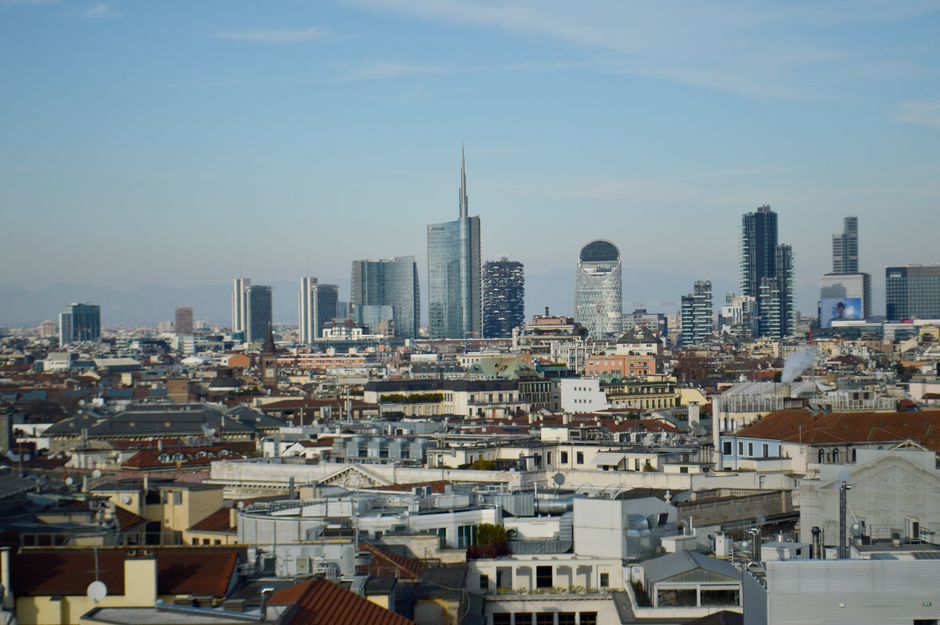
Walk through the Navigli district on any weekday morning and you'll spot them: young professionals with laptops, clustering in cafés and purpose-built coworking hubs. The shift is unmistakable. Yet beneath Milan's gleaming reinvention as a remote-work hub lies a tangle of risks that city planners and tech advocates are only beginning to untangle.
The numbers tell a seductive story. Since 2020, flexible workspace occupancy in Milan has surged 34%, according to a recent JLL report. WeWork alone operated three locations here before its 2023 collapse, while newer players like Talent Garden and Industrious have expanded aggressively. Monthly desk rental in central areas near Piazza Gae Aulenti runs €400–€600, undercutting traditional offices yet representing a 15% premium over suburban alternatives.
But Milan's tech community is increasingly uneasy. Labour advocates worry that the atomisation of work—splitting teams across distributed coworking spaces rather than unified offices—obscures worker conditions. Who monitors overtime? How do marginalised workers access support? A 2025 study by the Polytechnic of Milan found that 41% of remote workers lack formal employment contracts, a risk that intensifies in the gig-adjacent economy.
Privacy concerns shadow the sector. Coworking spaces, by design, enable casual observation of screens and conversations. Data protection authorities have flagged that GDPR compliance varies wildly across Milan's 200-plus flex-work venues. Some operators retain minimal security protocols.
There's also an equity question. As tech workers colonise Porta Romana, Brera, and Sempione with hot-desking, traditional office clusters in Pero and Rho face obsolescence. This hollows tax bases and community infrastructure in outer zones. Meanwhile, clients paying premium rates for Duomo-adjacent locations are funding ecosystems where contractors—cleaners, tech support, catering staff—often lack benefits entirely.
Yet dismissing remote work would be naive. Milan's appeal to international talent partly rests on flexibility. The city's booming startup scene—with companies like Satispay and Immobiliare.it calling it home—leverages geographic diversity to source talent globally.
The path forward demands rigour. Labour unions are pushing for coworking operators to sign ethical charters guaranteeing transparency on worker classifications. The City of Milan has begun auditing flex-space compliance. And some forward-thinking operators are voluntarily adopting sectoral bargaining frameworks.
Milan built its wealth on manufacturing precision. As it pivots toward immaterial labour, that same exactitude must apply to the invisible structures supporting remote work—or the revolution risks entrenching the inequalities it promised to dissolve.
This article was compiled by AI from the sources linked above and screened before publishing. See our editorial standards.