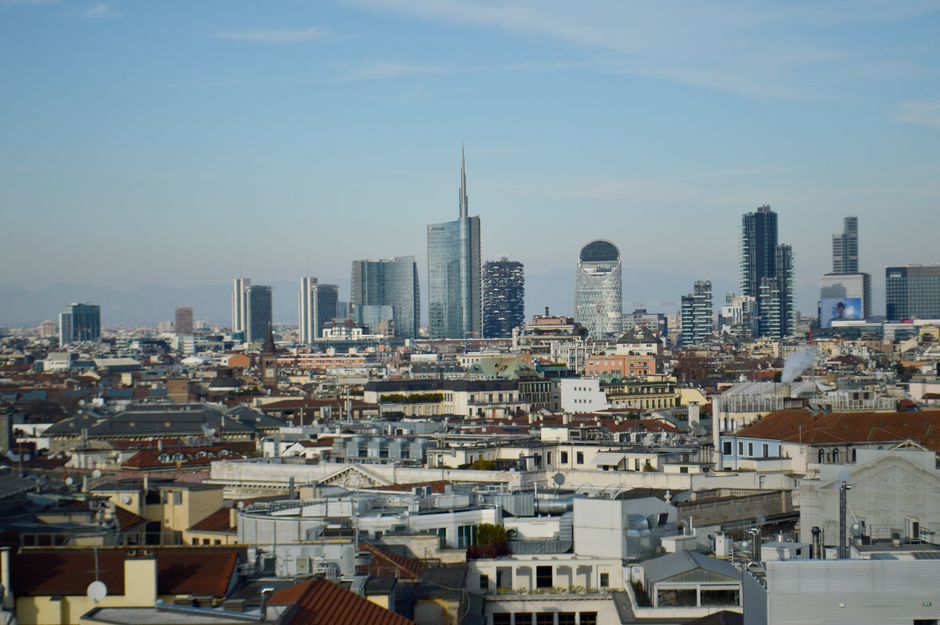
Walking through the Navigli district on a June morning, you'll notice Milan looks different than it did five years ago. The electric tram network that once served only select routes now covers 170 kilometres across the city, with the latest phase extending service into Porta Romana and beyond. For residents like those in the Certosa neighbourhood, the shift from petrol buses to zero-emission vehicles has cut commute-time air pollution measurably—and their transport cards cost approximately 35% less than a decade ago.
The transformation extends far beyond public transport. Since 2024, Milan's district heating system—already Europe's largest—has begun integrating renewable sources at scale. The Sesto San Giovanni thermal network, which supplies warmth to over 100,000 homes across northern Milan, now draws 40% of its energy from biomass and waste-heat recovery facilities. Residents paying heating bills in neighbourhoods like Lambrate report savings of €150-200 annually compared to 2021 figures, even as global energy costs fluctuated wildly.
Rooftop solar has accelerated dramatically. The city council's initiative to subsidise residential installations—covering up to 50% of costs for households earning under €50,000 annually—has transformed the skyline of Brera and Porta Venezia. By March 2026, over 8,000 residential systems were operational, generating enough collective power to supply approximately 6,000 homes entirely off-grid during summer months.
Perhaps most visibly, the Duomo district's pedestrianised zone has become a testing ground for hyperlocal sustainability. Smart waste bins equipped with sensor technology have reduced collection frequency by 35%, cutting diesel emissions from refuse trucks. Meanwhile, bike-sharing stations now number 365 across the metropolitan area, with electric cargo bikes—once a novelty—now handling roughly 15% of last-mile deliveries in central Milan.
Not every neighbourhood has benefited equally. Outer areas like Comasina remain dependent on older infrastructure, highlighting the uneven distribution of green tech investment. Yet the momentum is undeniable. Energy audits conducted by Legambiente last year found that Milan's per-capita carbon footprint has dropped 18% since 2019—faster than Italy's national average.
For ordinary Milanese, the cumulative effect translates to tangible change: shorter commutes on cleaner vehicles, lower utility bills, fresher air during rush hour, and the quiet satisfaction of watching a major European city genuinely transition away from fossil fuels. The Navigli, once symbolising Milan's industrial past, now symbolise something altogether different: a liveable future taking shape today.
This article was compiled by AI from the sources linked above and screened before publishing. See our editorial standards.