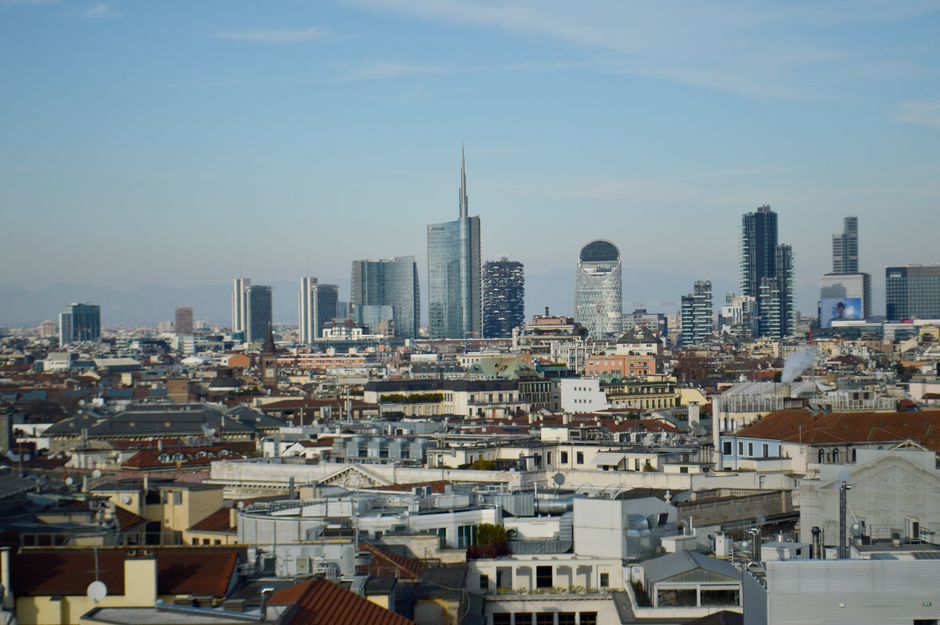
Milan's venture capital ecosystem has experienced a remarkable inflection point. Through the first half of 2026, startups based in the Lombard capital have attracted approximately €2.1 billion in institutional funding—a 34% increase compared to the same period in 2025, according to preliminary data from Milan's Chamber of Commerce and regional innovation agencies.
The momentum reflects a structural shift in how European investors perceive Milan beyond its centuries-old reputation as a fashion and design epicentre. Venture firms increasingly view neighbourhoods like Navigli, Isola, and the emerging tech corridor around Porta Romana as fertile ground for scaling deep-tech companies, fintech platforms, and climate-focused ventures.
"We're seeing genuine institutional conviction, not just opportunistic capital," explains the ecosystem developing around venues like BASE Milano and the startup hubs clustered near Via Torino. The Polihub incubator, housed within Politecnico di Milano's campus in the northwest, has become a feeder mechanism for early-stage founders seeking Series A validation. Companies graduating from such programmes have raised an average of €8–12 million in follow-on rounds this year—substantially above the European median of €6.2 million.
Real estate dynamics underscore investor confidence. Prime office space in Navigli's converted warehouse district commands €450–550 per square metre annually, a 28% premium compared to 2024, as venture-backed teams consolidate operations. Major European and North American funds—including several Berlin-based VCs and Silicon Valley-adjacent investors—have established Milan outposts, particularly around Stazione Centrale's revitalized surroundings.
The funding story extends beyond headline numbers. Median Series B round sizes have grown to €18–22 million, suggesting that later-stage capital is becoming accessible to Milan-based founders who previously faced pressure to relocate to London or Berlin. This retention effect matters: fewer departures mean more wealth and expertise compounds within the local ecosystem.
Exit activity has also accelerated. Three significant acquisitions of Milan-founded companies were announced in the first quarter of 2026 alone, returning approximately €340 million to local investors and founders. Such liquidity events reinvigorate angel networks and inspire fresh cohorts of entrepreneurs.
Challenges persist. Corporate venture arms from legacy Italian manufacturing firms remain cautious, and geographic concentration—disproportionate capital flowing to Navigli versus outlying areas—risks creating a two-tier city. Nonetheless, by most metrics, Milan's startup funding cycle has entered a genuine growth phase. The city that once ceded tech talent to Rome and Boston is now retaining it, and attracting it from abroad.
This article was compiled by AI from the sources linked above and screened before publishing. See our editorial standards.