Milan's Digital Shield: Why Cybersecurity's Greatest Promise Comes With an Uncomfortable Price
As the city's tech sector booms, security experts grapple with a thorny reality—protecting data often means surrendering privacy.
As the city's tech sector booms, security experts grapple with a thorny reality—protecting data often means surrendering privacy.
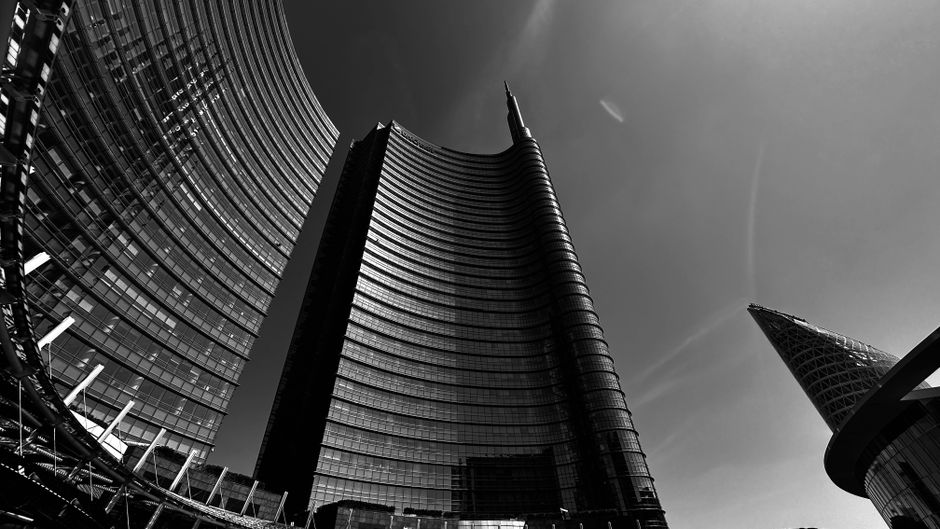
Walk through the corridors of the Politecnico di Milano's new Campus Bovisa or past the gleaming offices clustered around Porta Nuova, and you'll find optimism about digital innovation. Yet beneath the surface of Milan's thriving tech ecosystem lies a tension that few dare to articulate plainly: the tools that promise to keep us safe online frequently demand we surrender the very privacy they claim to protect.
The numbers tell part of the story. According to a 2025 Cybersecurity Report by the Italian Ministry of Interior, cyberattacks on Lombardy-based enterprises jumped 43% year-over-year, with financial damages exceeding €890 million. For companies across Milan's Navigli district tech hubs and beyond, the pressure to adopt cutting-edge security solutions has become existential. Yet each solution comes with invisible strings attached.
Consider the standard enterprise setup: advanced threat detection systems now monitor employee keystrokes, email patterns, and browsing history in real time. It works—it catches threats before they materialise. But it also means that a software developer at a startup near Garibaldi station has their daily digital movements catalogued, analysed, and stored indefinitely. The security is genuine. The privacy erosion is equally real.
"We're at a crossroads," explains the ethical dimension that industry leaders increasingly acknowledge but rarely champion publicly. The European Union's Digital Operational Resilience Act (DORA), which takes effect in December 2026, will mandate sweeping cybersecurity controls across financial institutions and critical infrastructure across Milan. Compliance requires exactly the kind of invasive monitoring that rights advocates have warned against for years.
Some firms are attempting a middle path. Distributed ledger technologies and zero-trust architectures promise security without centralised data harvesting. But these remain expensive, niche solutions—accessible mainly to large enterprises with security budgets, not the mid-market companies that form Milan's entrepreneurial backbone.
The ethical question isn't new, but its urgency has sharpened. As Milan positions itself as Italy's digital capital—competing with Berlin, Barcelona, and Lisbon for tech talent and investment—the city faces a choice about the kind of innovation it will champion. Do we embrace maximalist security, even if it means normalising pervasive surveillance? Or do we invest in harder, costlier approaches that respect human autonomy?
The answer will shape not just how safely Milanesi work online, but how freely they live offline. For a city built on style, design, and human flourishing, that distinction matters profoundly.
This article was compiled by AI from the sources linked above and screened before publishing. See our editorial standards.
How does this story make you feel?
Spread the word
About this article
Published by The Daily Milan
Daily brief
Free, in your inbox before 7am. Weekdays.
More in tech