Milan's Tech Dreams Meet Hard Reality: Innovation's Hidden Costs
As the city solidifies its position as a European innovation hub, startups and investors grapple with labour, privacy, and social inequality challenges that growth cannot ignore.
As the city solidifies its position as a European innovation hub, startups and investors grapple with labour, privacy, and social inequality challenges that growth cannot ignore.
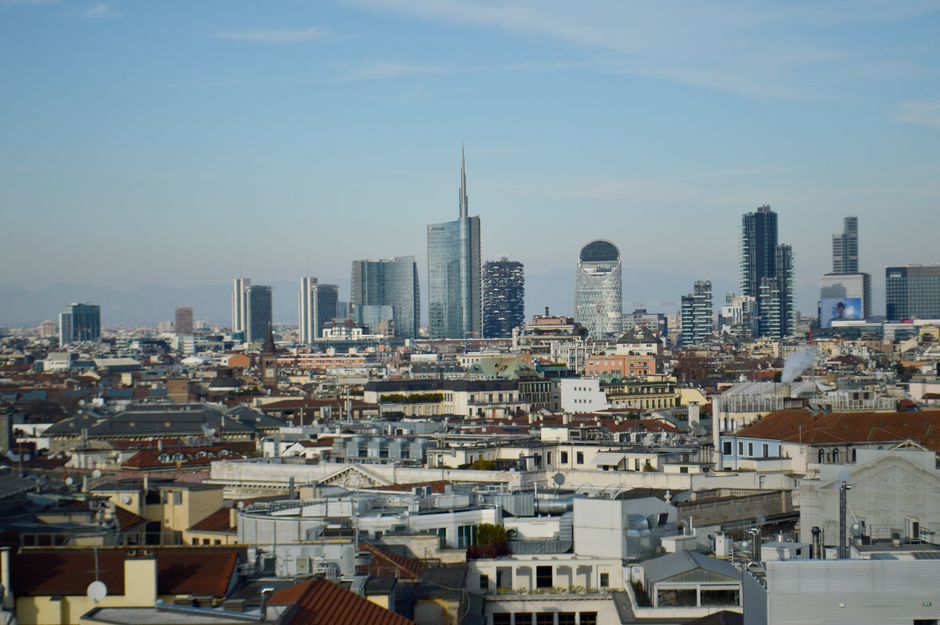
Milan's transformation into a credible technology powerhouse has accelerated dramatically over the past three years. The Navigli district now hosts over 800 registered tech startups, while venture capital flowing into the region reached €2.3 billion in 2025—a 34% increase from the previous year. Yet behind the gleaming renovated warehouses and co-working spaces along Via Tortona, a more complex picture emerges: one where rapid growth has begun outpacing the city's ability to manage its consequences responsibly.
The tension became impossible to ignore this spring when multiple labour disputes erupted simultaneously. Warehouse workers at logistics startups operating from Lambrate's industrial zones reported wage stagnation despite their employers' heavy valuations. Meanwhile, content moderation teams working for AI companies scattered across the Porta Romana neighbourhood exposed working conditions that critics describe as dehumanising—reviewing graphic material for subsistence-level wages while bearing psychological costs largely unaddressed by employers.
"We're seeing a familiar pattern," says Ludovica Fossati, director of the Milan Digital Rights Initiative, based near Largo Augusto. "Innovation arrives with enormous promises. Investment multiplies. Then workers and communities absorb the friction."
Data privacy presents another mounting pressure. A June investigation revealed that three prominent Milan-based fintech firms operating from the Brera district had retained user location data far beyond stated policies, exploiting regulatory grey zones that Italian authorities are only now attempting to clarify. The €850,000 combined fine levied by local regulators stung—but startup insiders privately question whether penalties currently calibrated will meaningfully alter behaviour.
Housing affordability has become acute. Tech sector salaries have driven rents in central neighbourhoods up 18% since 2023, pricing out younger professionals not employed by well-funded firms and exacerbating existing inequality. A junior developer earning €32,000 annually can no longer afford a one-bedroom apartment in Porta Venezia, a neighbourhood that has become increasingly dominated by tech worker accommodation.
The promise remains genuine. Milan's ecosystem produces valuable solutions to genuine problems. Yet the city's maturation as an innovation centre now demands harder conversations about who benefits, who bears costs, and what responsibility innovation leaders actually hold.
As the Startup Hub Milano prepares its annual summit at Fieramilano in September, these questions will loom larger than any product demo. Milan has the opportunity to become not just Europe's next Silicon Valley, but something more thoughtfully constructed—if its leaders choose to see friction not as an obstacle, but as essential feedback.
This article was compiled by AI from the sources linked above and screened before publishing. See our editorial standards.
How does this story make you feel?
Spread the word
About this article
Published by The Daily Milan
Daily brief
Free, in your inbox before 7am. Weekdays.
More in tech