Milan's startup scene is quietly reshaping how remote work actually works
As global tech talent flees expensive cities, the Navigli district is becoming Europe's unexpected hub for distributed-first companies.
As global tech talent flees expensive cities, the Navigli district is becoming Europe's unexpected hub for distributed-first companies.

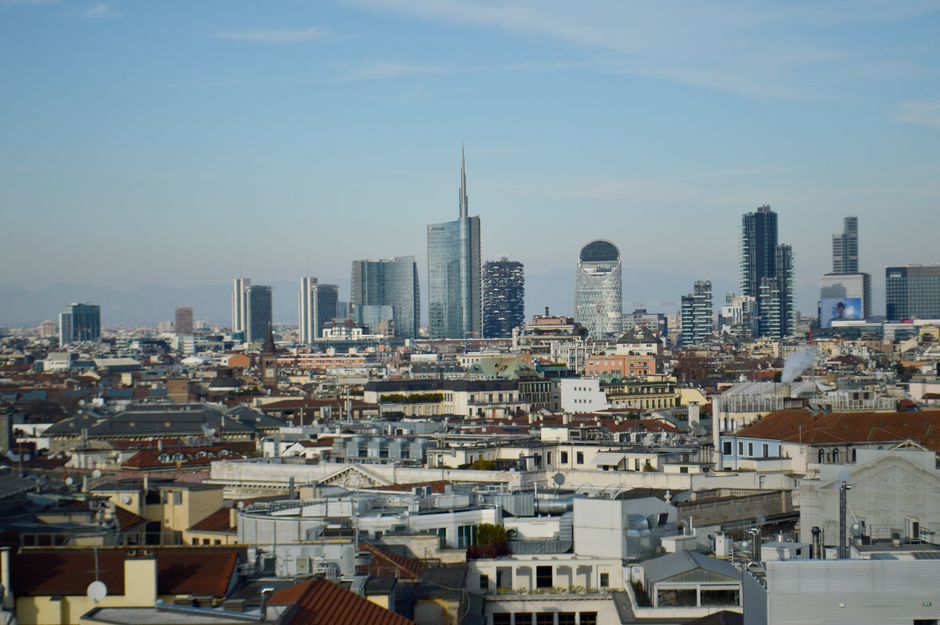
Walk through the Navigli neighbourhood on a Tuesday morning and you'll see something that didn't exist three years ago: clusters of young engineers and founders working from corner tables in cafés, switching between Zoom calls and espresso refills. This isn't just the residue of pandemic-era work culture. It's the foundation of a deliberate shift happening across Milan's tech ecosystem right now.
The numbers tell the story. According to data from the Milan Chamber of Commerce, remote-first startups registered in Lombardy have grown 34% year-over-year since 2024, with nearly 60% based in central Milan rather than traditional tech parks. Companies are abandoning the sterile campus model entirely. Instead, they're clustering around areas like Porta Romana and Brera, where coworking memberships cost €200-300 monthly—roughly half what you'd pay in London or Berlin.
"We stopped thinking about offices as status symbols," explains the community at Base Milano, the sprawling creative complex in the Lambrate industrial district that's become a de facto headquarters for distributed teams. The space now hosts nearly 150 remote-native startups, up from 40 in early 2024. The economics are stark: rent for a hot desk runs €150 monthly, but companies using the space report 40% lower overhead than traditional office leases while maintaining physical anchor points for collaboration.
What's driving this isn't just cost arbitrage. Milan's appeal lies in its specific mix: a critical mass of experienced European tech talent, proximity to venture capital networks, and genuine lifestyle advantages over dense tech hubs. The city's startup visa programme has attracted 340 non-EU founders this year alone, many explicitly choosing distributed-first models to access global talent without geographic constraints.
The shift is creating new infrastructure. WeWork competitor Mindspace has opened two Milan locations in the past eighteen months, while local players like The Hub have expanded from single sites to four across the city. More significantly, traditional architecture firms and established companies like Deloitte have launched dedicated "distributed-first" office spaces—smaller, cheaper, designed for occasional in-person collaboration rather than daily presence.
Challenges remain real. "Finding consistent community is harder when your team is spread across three continents," notes the ecosystem of founders navigating this transition. Internet reliability, timezone coordination, and the subtle erosion of spontaneous collaboration continue to shape decision-making.
Yet for Milan's startup scene in 2026, remote work isn't a post-pandemic holdover. It's the working hypothesis of an entire generation building the next wave of European tech companies.
This article was compiled by AI from the sources linked above and screened before publishing. See our editorial standards.
How does this story make you feel?
Spread the word
About this article
Published by The Daily Milan
Daily brief
Free, in your inbox before 7am. Weekdays.
More in tech