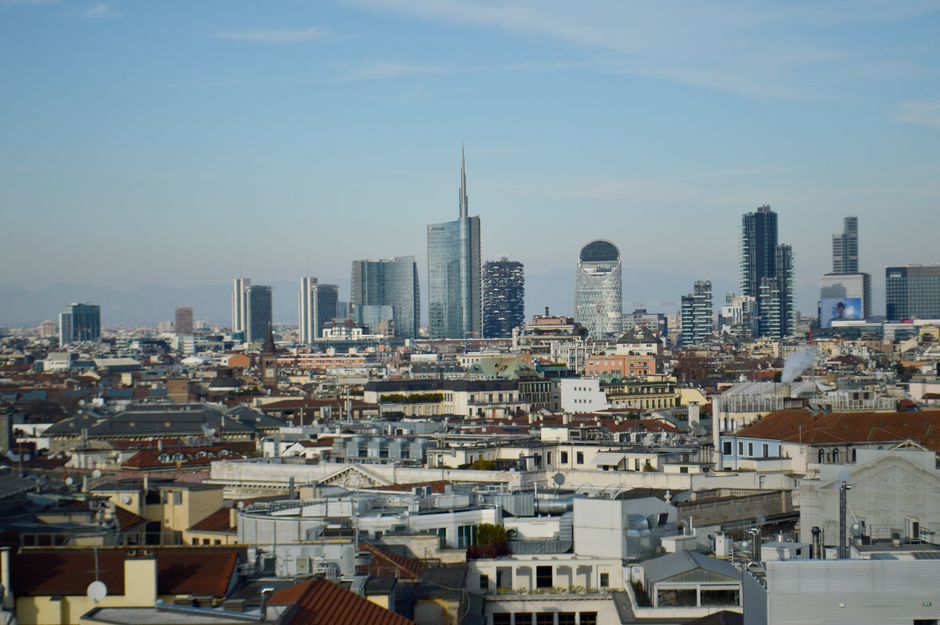
Walk through Porta Nuova and you'll see the gleaming promise of Milan's green future: solar panels crown renovated office towers, electric buses glide silently down Via Melchiorre Gioia, and startups cluster around the Politecnico di Milano promising carbon-neutral breakthroughs. By 2030, the city aims to cut emissions by 37 percent. Yet behind this shiny narrative lurks a messier reality that Milan's tech community increasingly struggles to ignore.
Consider the lithium supply chains that power the electric vehicles now ubiquitous in the Brera district. Mining operations in Argentina, Bolivia, and the Democratic Republic of Congo have displaced indigenous communities and depleted aquifers—environmental damage exported beyond Milan's elegant Navigli canals. When the city proudly inaugurated its expanded metro line last year, few mentioned the rare earth minerals extracted under questionable labour conditions in Southeast Asia that enable the sensors and controllers.
The ethical questions cut closer to home too. Milan's ambitious building renovation programme, targeting the aging residential stock around Monumental Cemetery, has already sparked displacement tensions. Energy-efficient retrofitting drives up property values and rents, gradually pushing working-class families toward the periphery. Sustainability, it seems, costs more than many can afford.
Battery recycling facilities proposed for the outskirts of Milan have faced fierce local opposition. Residents in Corsico and Assago worry about contamination risks and the social equity of hosting environmental infrastructure that serves wealthier central districts. It's a pattern repeated across Europe: green solutions often disproportionately burden poorer communities.
Corporate greenwashing adds another layer of concern. Several major tech firms headquartered near the Duomo have announced net-zero targets while simultaneously lobbying against stricter EU carbon regulations. Their sustainability reports gleam with renewable energy percentages that cherry-pick favourable accounting methods.
The Politecnico and local environmental groups like Legambiente Milano are pushing for more transparent, equity-focused approaches. They're asking uncomfortable questions: Who benefits from green tech? Who bears the hidden costs? Does Milan's climate leadership become hollow if it's built on injustice elsewhere?
The city's green ambitions remain valuable and necessary. But mature sustainability requires confronting these contradictions head-on—not celebrating them away. Milan's true test isn't whether it can go green, but whether it can do so justly.
This article was compiled by AI from the sources linked above and screened before publishing. See our editorial standards.