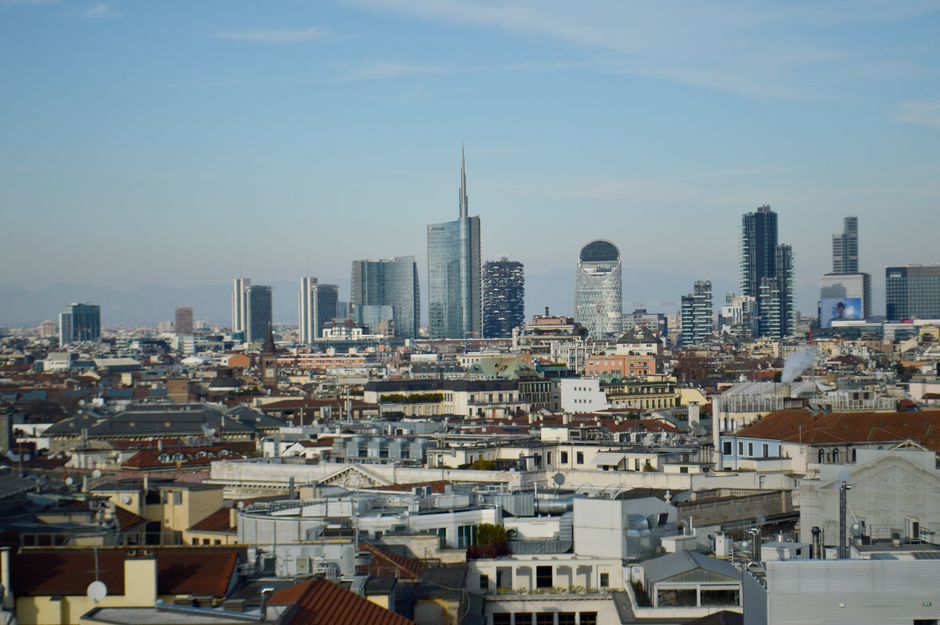
Milan's technology sector has spent the past half-decade quietly building something that neither San Francisco nor Berlin quite possess: an innovation ecosystem rooted in aesthetic sensibility and craftsmanship. While other European tech hubs chase pure engineering prowess, Italy's financial capital is leveraging centuries of design expertise to create companies that solve problems beautifully.
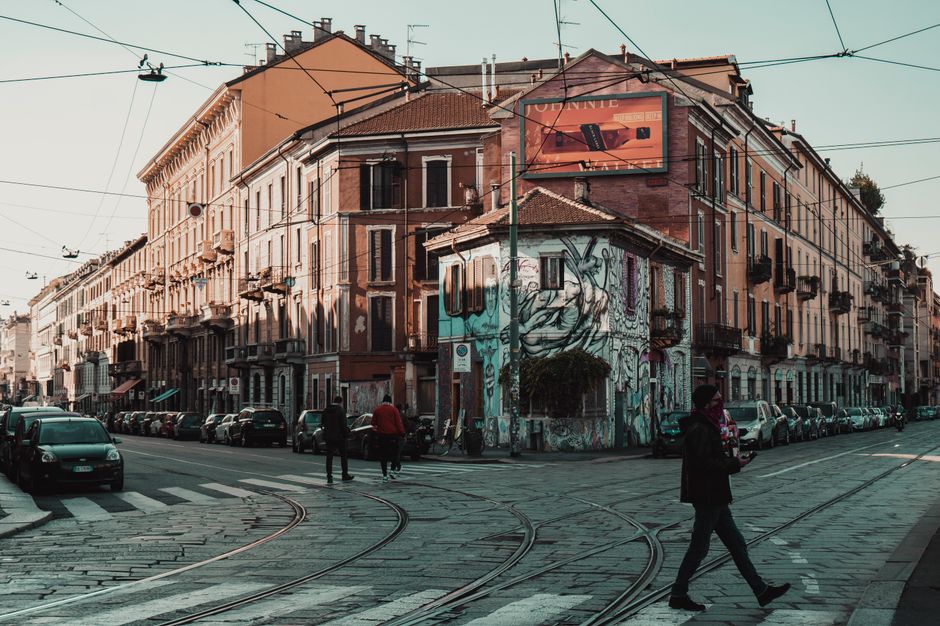
The evidence is visible across the city's transformed neighborhoods. The Navigli district, traditionally known for its picturesque canals and nightlife, has morphed into a genuine startup quarter. Venture capital firms including Plug and Play, Founders Factory, and numerous Italian-focused funds now occupy refurbished warehouses alongside artisanal coffee roasters. Real estate prices in the area have climbed roughly 8-12% annually over the past three years, reflecting investor confidence.
But Milan's distinction runs deeper than real estate appreciation. Companies emerging from the city's incubators—including initiatives at Politecnico di Milano and private accelerators—frequently prioritize user experience and visual design as core engineering principles, not afterthoughts. This reflects the city's DNA: where Venice perfected glassmaking and Florence dominated textiles, Milan became the global arbiter of how things should look and feel.
The numbers support this trajectory. Milan hosted 247 tech startups in 2024, up from 156 in 2021, according to startup mapping platforms. Venture funding into Lombard companies reached €1.2 billion last year, with significant portions flowing to deeptech, healthtech, and design-adjacent software sectors. The average seed round sits at €400,000—lower than London or Berlin, but increasingly competitive with Paris.
The city's position as a global fashion and design capital creates tangible advantages. Supply chain optimization software companies can test prototypes with actual manufacturers. Fashion-tech startups benefit from proximity to established industry networks. Industrial design firms are increasingly spinning out software-first businesses. This cross-pollination rarely occurs in pure tech cities.
Yet Milan faces persistent challenges. Talent retention remains difficult; many engineers still gravitate toward Zurich's higher salaries or Berlin's cultural cachet. The Italian regulatory environment, though improving, can frustrate scaling operations. And the city's traditional business establishment—powerful family-owned manufacturing concerns—doesn't always embrace external innovation as naturally as their European counterparts.
Still, momentum is undeniable. As global tech companies recognize that design and functionality are inseparable, Milan's unfair advantage—the ability to hire people who grew up surrounded by beautiful objects and precise craftsmanship—becomes increasingly valuable. The city isn't competing to be another Silicon Valley. It's building something distinctly its own.
This article was compiled by AI from the sources linked above and screened before publishing. See our editorial standards.