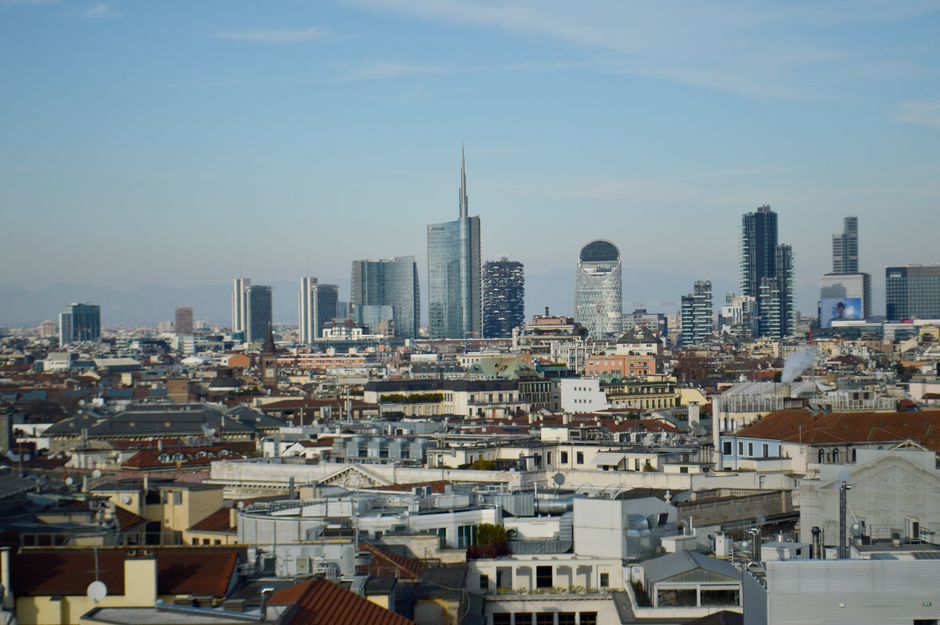
Milan's technology sector is entering a pivotal phase, with major players headquartered across the Navigli district and Porta Nuova announcing product launches and R&D initiatives that signal the city's growing importance in European innovation. As we approach the second half of 2026, the pipeline of developments emerging from Lombardy's capital suggests a market increasingly focused on artificial intelligence, sustainable manufacturing, and enterprise solutions.
Several firms operating from Milan's established tech corridors—particularly around Via Torino and the recently expanded innovation zones near Centrale station—are preparing releases that challenge Silicon Valley's traditional dominance. Industry analysts tracking the region note that venture capital investment in Milan-based startups has grown 34% year-over-year, with particular strength in logistics automation and smart city infrastructure sectors.
One notable trajectory involves logistics optimization platforms, where Milan-based companies are leveraging the city's position as a continental supply chain hub. Development teams are integrating advanced machine learning models designed to reduce delivery inefficiencies across Italian and European networks. These systems, expected to launch in Q4 2026, aim to cut operational costs by up to 18% for regional distribution centers.
The wearables segment is attracting substantial attention from startups operating within the Isola neighbourhood's growing innovation cluster. Prototypes currently in advanced testing phases combine biometric monitoring with enterprise productivity tools—targeting both consumer and B2B markets. Early adopters from Milan's fashion and design industries have already participated in beta programs, a strategic advantage given the city's heritage in premium manufacturing.
Healthcare technology represents another critical development area. Several teams are building diagnostic support systems powered by large language models, trained specifically on European patient data. These applications are undergoing regulatory review with Italian health authorities, with commercial availability anticipated in early 2027.
The Milan Chamber of Commerce reports that technology companies operating in the city are planning €45 million in combined R&D spending across the next fiscal year—a 28% increase from 2025. This capital deployment reflects confidence in the local talent pool, particularly among graduates from Politecnico di Milano and Bocconi's technology programs.
Urban infrastructure also features prominently in development roadmaps. Several firms are building integrated systems for smart waste management and energy optimization, tested initially within Milan's municipal districts. These proof-of-concept projects position the city as a living laboratory for European cities facing similar sustainability challenges.
Industry observers suggest that Milan's competitive advantage lies not in competing directly with established American tech centres, but in serving European regulatory requirements and regional business needs with locally-relevant solutions. The convergence of fashion, finance, logistics, and manufacturing expertise creates a distinctive ecosystem where technology companies can build products reflecting genuine continental demands.
This article was compiled by AI from the sources linked above and screened before publishing. See our editorial standards.