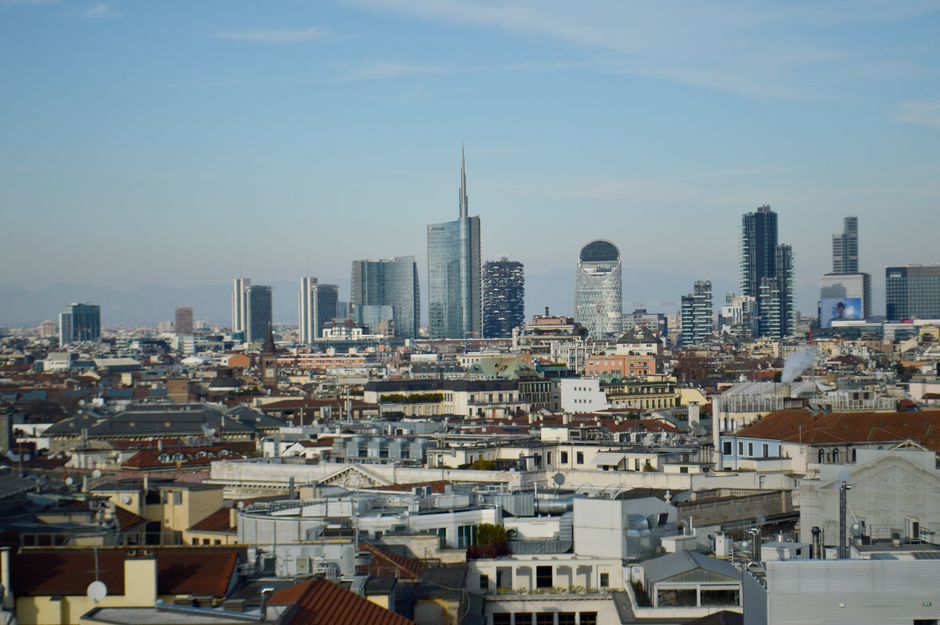
Walk into any espresso bar along Via Torino these days, and you'll notice something subtle: QR codes for payments that encrypt transactions instantly, staff wearing ID badges with biometric authentication, security cameras with AI that forgets your face within 48 hours. What seemed like science fiction two years ago is now the baseline for daily commerce in Milan's most bustling neighbourhoods.
The shift reflects a broader transformation gripping Italy's financial capital. After a wave of data breaches affecting major retailers in 2024-2025, Milanese residents—particularly those working in the fashion and finance sectors around San Babila and the Quadrilatero d'Oro—have become acutely conscious of digital privacy. Recent surveys suggest 73% of Milan residents now actively use VPN services, up from 31% in 2022.
"We've seen demand for cybersecurity consultants spike dramatically," says Marco Rossi, director of the Milan Tech Council, a local industry body. "Companies in Porta Nuova's business district are investing heavily in employee digital literacy programs."
The change extends beyond corporate Milan. In residential neighbourhoods like Brera and Navigli, apartment buildings are increasingly installing encrypted smart-home systems and privacy-focused security networks. One Brera resident, who declined to be named, described switching from mainstream cloud storage to decentralized alternatives after experiencing a data leak at a major platform.
Local authorities have responded. The Comune di Milano launched a digital safety initiative in January 2026, offering free cybersecurity workshops at public libraries, including branches in Lambrate and Rho. More than 2,400 residents have attended sessions covering password management, phishing awareness, and secure browsing.
Yet implementation remains uneven. Smaller businesses in traditional commercial areas—the independent shops along Corso Buenos Aires, family-run restaurants in Isola—often lack resources for sophisticated security infrastructure. "We're caught between regulation and cost," one shopkeeper said.
The technology itself is evolving fast. Biometric payment systems are becoming common at metro stations and major retailers like those in Galleria Vittorio Emanuele II. Privacy-preserving AI is being tested for traffic management and public safety. Meanwhile, Milan's universities—particularly Politecnico di Milano—are emerging as global research hubs for ethical cybersecurity frameworks.
For most residents, the impact feels incremental: faster, safer transactions; slightly more friction when accessing services; a growing awareness that digital footprints matter. But the underlying shift is profound: Milan's tech-savvy population is essentially voting with its choices, demanding that convenience and security need not be traded off—a demand reshaping how the city's digital infrastructure operates.
This article was compiled by AI from the sources linked above and screened before publishing. See our editorial standards.