Why Milan's Tech Ecosystem Stands Apart: Fashion DNA Meets Venture Capital
As startup funding flows into the Navigli district and beyond, Milan's unique blend of design heritage and financial muscle is reshaping how European tech companies scale.
As startup funding flows into the Navigli district and beyond, Milan's unique blend of design heritage and financial muscle is reshaping how European tech companies scale.
Walk through the Navigli neighbourhood on any given Tuesday evening, and you'll spot them: founders in Prada, VCs in tailored blazers, all gathered in converted lofts that once housed textile workshops. This scene encapsulates what makes Milan's tech ecosystem fundamentally different from Berlin's scrappy startups or London's banking-backed tech boom.
Milan isn't just another European tech hub. It's a city where venture capital meets fashion DNA—and that collision is reshaping how European startups think about product, design, and customer experience.
The numbers tell part of the story. Milan attracted approximately €850 million in venture funding in 2025, according to regional investment data, with early-stage rounds increasingly concentrated in specific clusters. But the real distinction lies in what gets funded and why. Unlike traditional tech cities, Milan's investor community—anchored by firms with offices along Via Montenapoleone and in the Brera district—actively seeks founders with an eye for aesthetics and luxury positioning.
"Design thinking isn't a buzzword here; it's a prerequisite," notes the ecosystem's historical context. Founders building logistics software, fintech platforms, or artificial intelligence tools in Milan instinctively incorporate visual refinement that their counterparts elsewhere might defer or outsource. The city's 500-year legacy as a global design capital means investors and mentors expect it.
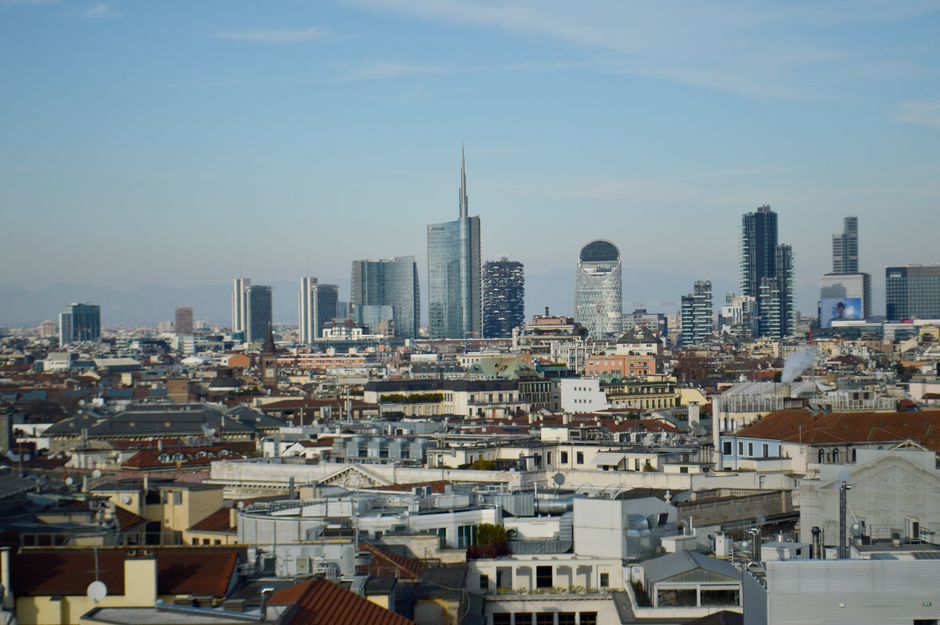
The infrastructure reflects this. WeWork locations in Porta Nuova and independent co-working spaces like Base Milano in the city's east end provide workspace, but the real networking happens through Milan's dense network of industry associations, design schools like Politecnico di Milano, and family offices managing generational wealth built on fashion and manufacturing. These connections create deal flow unavailable elsewhere.
Startup operating costs remain lower than London or San Francisco—a modest office in the up-and-coming Lambrate neighbourhood runs €1,500-2,000 monthly, versus €4,000+ in prime London addresses—yet access to capital and multinational corporate partnerships rivals any global city. Luxury conglomerates, automotive giants, and fashion houses all headquartered here actively seek technology partnerships, creating exit opportunities and customer pipelines.
This isn't to suggest Milan is without challenges. Brain drain toward Silicon Valley and Berlin remains real, and the city's bureaucratic infrastructure lags digital-native jurisdictions. Yet these limitations may prove strategic. The friction forces founders to think longer-term, build real products, and cultivate the kind of brand positioning that transforms a startup into a sustainable business.
As 2026 progresses, Milan's tech ecosystem continues attracting founders who see opportunity in blending technological innovation with the craft and premium positioning the city has perfected over centuries. That combination remains globally rare.
This article was compiled by AI from the sources linked above and screened before publishing. See our editorial standards.
How does this story make you feel?
Spread the word
About this article
Published by The Daily Milan
Daily brief
Free, in your inbox before 7am. Weekdays.
More in tech