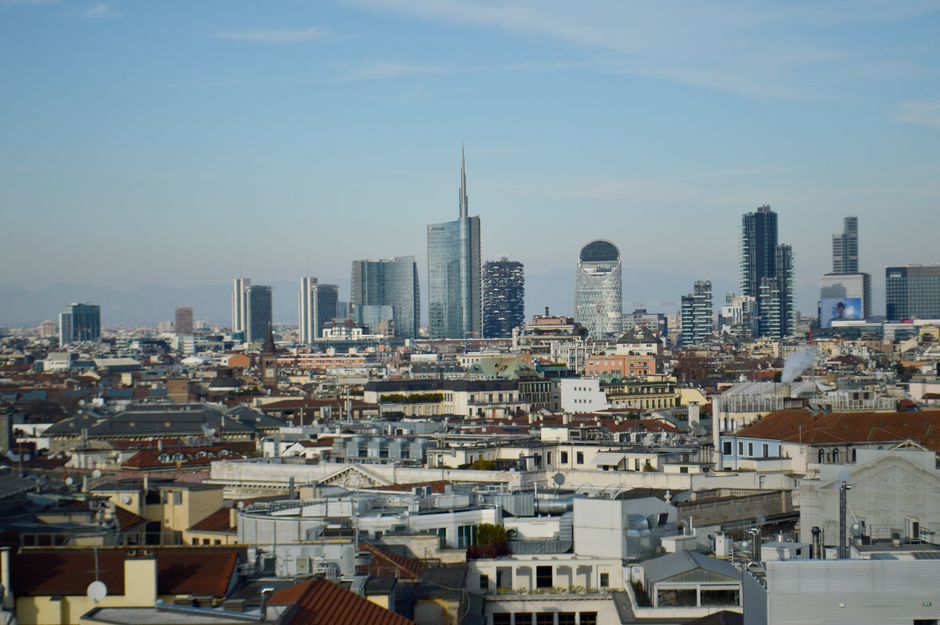
Milan's coworking sector is entering a new chapter. After five years of steady growth—with occupancy rates across the city's premium spaces hovering near 87% according to recent PropTech analyses—major operators are unveiling ambitious product roadmaps that will reshape how knowledge workers collaborate across the Navigli district, Porta Nuova, and emerging innovation hubs like Lambrate.
The convergence of artificial intelligence, biometric wellness monitoring, and hyper-local community integration marks a departure from the austere desk-and-WiFi model that dominated the 2020s. Leading operators are testing AI-powered space allocation systems that predict occupancy patterns and automatically adjust pricing in real-time—a feature expected to roll out across five major Milan locations by Q3 2027. These systems analyse anonymous movement data and booking histories to optimise everything from meeting room availability to café stocking.
Wellness integration is accelerating faster than many anticipated. Several premium operators in Brera and around Corso Como are piloting embedded health metrics: standing desks with posture sensors, air quality monitoring calibrated to individual respiratory profiles, and circadian lighting systems that adjust throughout the day. One Porta Nuova provider is beta-testing wearable integration that tracks member stress levels and automatically books recovery spaces—essentially turning coworking into preventative health infrastructure.
The neighbourhood activation dimension deserves particular attention. Rather than existing as isolated bubbles, next-generation spaces are becoming community nodes. Developments planned for Via Torino and the Garibaldi district explicitly include street-level retail partnerships, rotating art installations, and "neighbour hours" where local residents access amenities at subsidised rates. This represents a philosophical shift: coworking as placemaking rather than mere real estate.
Pricing dynamics are evolving too. The traditional €350-500 monthly desk model is fragmenting into micro-offerings: 4-hour focus passes at €12, evening collaboration bundles, and corporate wellness memberships bundling workspace access with mental health services. One emerging operator is testing a "neighbourhood credit" system where workspace fees are partially convertible into local business vouchers.
However, Milan's market faces headwinds. Hybrid return-to-office mandates among major corporates have created unpredictable demand, whilst soaring energy costs—up 34% since 2024—are pressuring operators' margins. The sector's next phase will separate genuine innovation from greenwashing.
For Milan's 40,000+ independent professionals and micro-enterprises, these developments signal workplace flexibility is no longer optional. It's becoming infrastructure—and increasingly intelligent infrastructure at that.
This article was compiled by AI from the sources linked above and screened before publishing. See our editorial standards.