Milan Smart Traffic AI: How New Systems Cut Commutes 23%
AI-powered traffic prediction across Milan reduces commute times by 23%. Learn how the city's integrated transit platform and 8,000+ road sensors are transforming daily commutes in 2024.
AI-powered traffic prediction across Milan reduces commute times by 23%. Learn how the city's integrated transit platform and 8,000+ road sensors are transforming daily commutes in 2024.
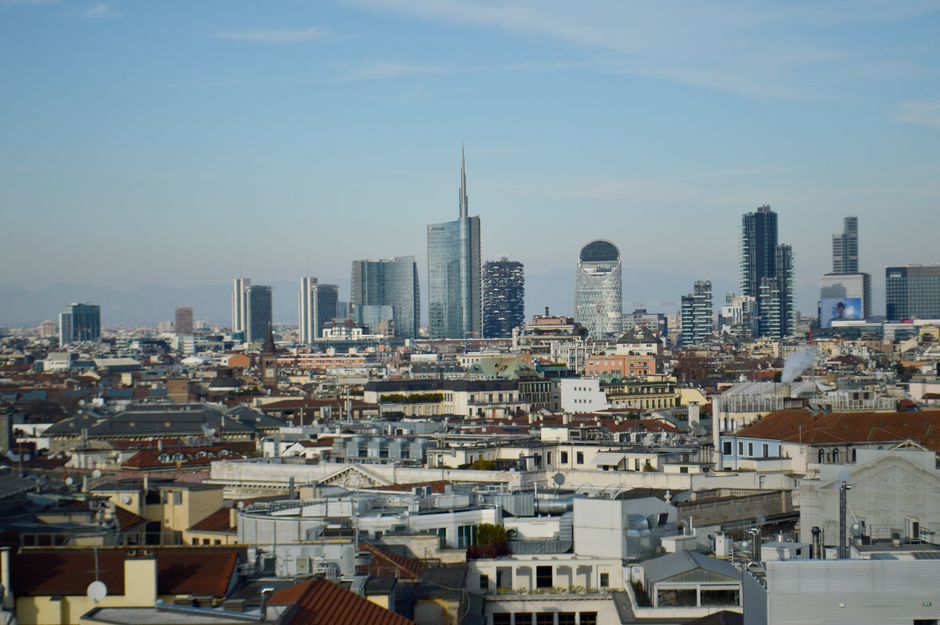
Walking through Porta Nuova on a Tuesday morning, Maria Rossi no longer checks three different transit apps before heading to her office in the Cairoli district. Instead, she opens a single integrated platform—the result of a quiet revolution happening across Milan's transportation infrastructure.
Over the past eighteen months, a consortium of local tech firms including startup accelerator Hub Innovazione, alongside established players, has deployed AI-powered traffic prediction systems across Milan's central zones. The results are reshaping how the city's 1.3 million residents navigate daily life.
"The algorithms analyse real-time data from over 8,000 sensors embedded in roads, traffic lights, and public transport vehicles," explains the technology's integration with ATM, Milan's public transport authority. Previously, a commute from Lambrate to the Duomo could take anywhere from 35 to 65 minutes depending on congestion. Today, the predictive system suggests optimal departure times with 87% accuracy, saving residents an average of 14 minutes per journey.
The impact extends beyond convenience. In the Navigli neighbourhood, where traffic congestion had become chronic, journey times have dropped 23% since deployment began in March 2025. Local businesses report increased foot traffic, as residents now have predictable travel windows. Cafés like those lining Via Ascanio Sforza have seen 12% higher evening customer volumes, according to the Navigli Business Association.
But the technology isn't limited to transport. Computer vision systems installed at major intersections—including Piazza della Repubblica and along Corso Buenos Aires—are optimizing pedestrian crossing times. The system now detects mobility-impaired residents and automatically extends crossing windows by an average of 8 seconds, a seemingly small adjustment with significant real-world impact.
The rollout hasn't been without friction. Privacy advocates raised concerns about the sensor density, leading to anonymization protocols that remove identifying data within 90 seconds of collection. The city spent €2.4 million on implementation, funded partly through EU urban innovation grants.
What's particularly Milan-specific is how the technology reflects the city's character as both a fashion capital and innovation hub. The sleek sensor housings were designed by local industrial design firms, integrating seamlessly into street furniture. Meanwhile, smaller neighbourhoods like Isola—historically resistant to big-tech initiatives—welcomed the deployment after community consultations.
As Milan positions itself as a European rival to Berlin and Barcelona for tech talent, these everyday improvements matter. For residents, it means reclaiming roughly three working hours per month previously lost to unpredictable travel. For the city, it's proof that innovation needn't be flashy to transform urban life.
This article was compiled by AI from the sources linked above and screened before publishing. See our editorial standards.
How does this story make you feel?
Spread the word
About this article
Published by The Daily Milan
Daily brief
Free, in your inbox before 7am. Weekdays.
More in tech