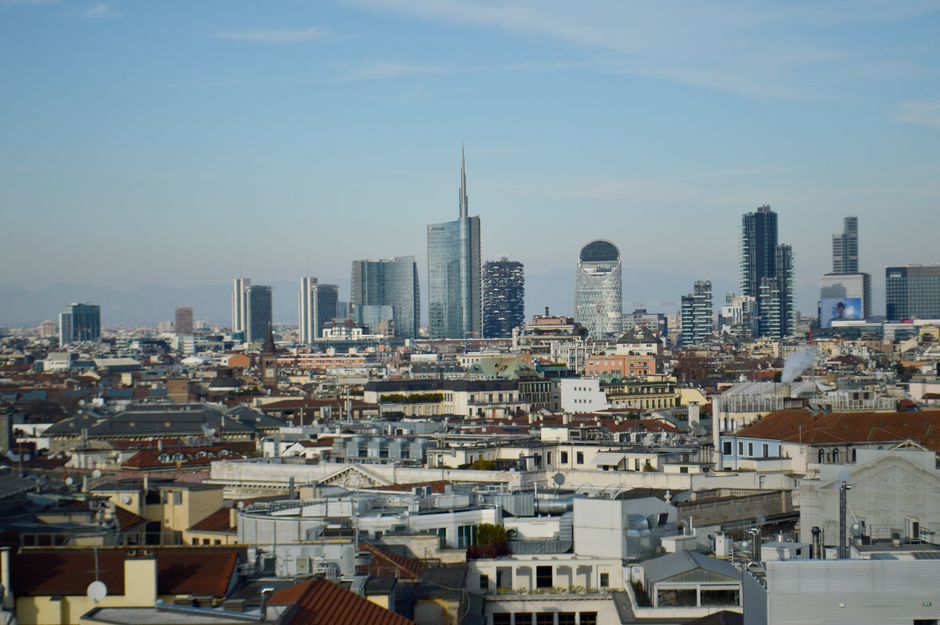
Walk through the Navigli district on a Tuesday morning and you'll notice something striking: the platforms at Porta Genova metro station are noticeably emptier than they were five years ago. The change is subtle but profound, reshaping the rhythms of daily life for thousands of Milan residents who no longer need to squeeze onto overcrowded trains heading toward the city centre's traditional office towers.
The shift began quietly but has accelerated dramatically. According to a recent survey by Milan's Chamber of Commerce, approximately 38% of the city's professional workforce now works remotely at least two days per week—up from just 12% in 2021. That liberation from the daily commute is transforming how Milanese spend their time, money, and energy.
The infrastructure supporting this change is visible everywhere. WeWork's flagship space in Porta Nuova now sits alongside dozens of independent coworking venues like Talent Garden in the Isola neighbourhood and Workations near Piazza Gae Aulenti. These aren't sterile cubicle farms; they're social hubs offering espresso bars, networking events, and the kind of professional community that dispersed home workers crave. Monthly memberships typically range from €250 to €450, positioning them as affordable alternatives to long commutes and expensive central office space.
The personal impact is measurable. Transit authority ATM reports that weekday morning passenger numbers on the MM1 and MM2 lines have declined by roughly 16% since 2023. Parents like those in the Brera neighbourhood gain back two hours daily previously lost to transit. Restaurant owners on the outer ring roads report stronger midday business as remote workers lunch locally rather than downtown. Even Milan's notoriously congested Corso Buenos Aires has seen lighter traffic during peak hours.
Housing markets are shifting too. Previously undesirable outer neighbourhoods like Lambrate and Greco—where monthly rents are 30-40% cheaper than central locations—are attracting young professionals who no longer need proximity to Via Montenapoleone office towers. This geographical redistribution is democratising access to Milan's professional opportunities.
Yet challenges remain. The city's aging wifi infrastructure struggles in some residential areas. Mental health professionals warn about isolation risks for solo remote workers. And Milan's traditional office landlords are quietly nervous about long-term vacancy rates.
Still, for most Milanese residents, the transition is simple mathematics: reclaim commute time, reduce stress, lower housing costs, work from a café overlooking the Navigli canals. That's not just a change in where people work. It's a fundamental reorganisation of urban life itself.
This article was compiled by AI from the sources linked above and screened before publishing. See our editorial standards.