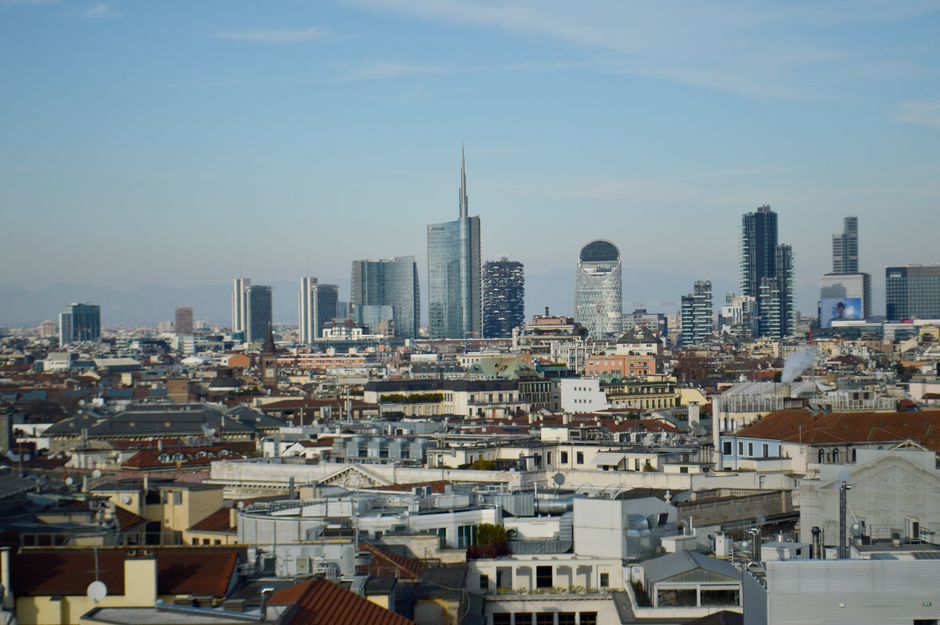
Walk through the Navigli district on any weekday morning and you'll see the future of work: young professionals clutching laptops, streaming into converted warehouses and sleek glass-fronted buildings that have replaced traditional office parks. Milan's coworking sector has exploded. Between Porta Garibaldi and the Isola neighbourhood, membership-based spaces now charge between €300 and €800 monthly—a far cry from the €2,000+ corporate leases of the 1990s. The promise is seductive: flexibility, community, liberation from the commute.
But beneath this narrative of professional emancipation lies a far murkier reality that Milan's tech community is only beginning to confront. The shift to remote and hybrid work has created a two-tier labour market. While senior professionals enjoy the autonomy to work from artisanal cafés in Brera or shared desks in Porta Nuova, precarious workers—freelancers, gig economy participants, and contract staff—face erosion of labour protections, social security contributions, and pension entitlements. A 2025 survey by Assolombarda found that 62% of remote workers in the Lombardy region have no formal arrangement with employers regarding equipment, cybersecurity standards, or workplace liability.
The surveillance question looms larger still. Coworking spaces and remote platforms increasingly employ keystroke monitoring, activity tracking, and location verification tools ostensibly designed for productivity management. For Milan's growing startup ecosystem—particularly in the booming AI and fintech sectors concentrated around Lambrate and the new innovation hubs—these technologies raise uncomfortable questions about worker autonomy and data ethics that regulators have yet to adequately address.
There's also the matter of urban inequality. As demand for flexible workspace climbs, landlords are converting affordable housing and small commercial spaces into premium coworking facilities. Rents in formerly accessible neighbourhoods like Greco-Breda have risen 18% in three years. The promise of remote work, meant to democratise opportunity, is paradoxically concentrating wealth and exclusion.
The Italian trade union movement and advocacy groups like Diritti Digitali have begun pushing back, demanding stronger regulation of remote work contracts, mandatory transparency in algorithmic management systems, and stronger protections for the self-employed. Yet policy has lagged dangerously behind practice.
Milan's tech sector has built a reputation on innovation. Its next challenge is ensuring that the future of work isn't simply faster and more flexible—but genuinely more equitable and humane.
This article was compiled by AI from the sources linked above and screened before publishing. See our editorial standards.