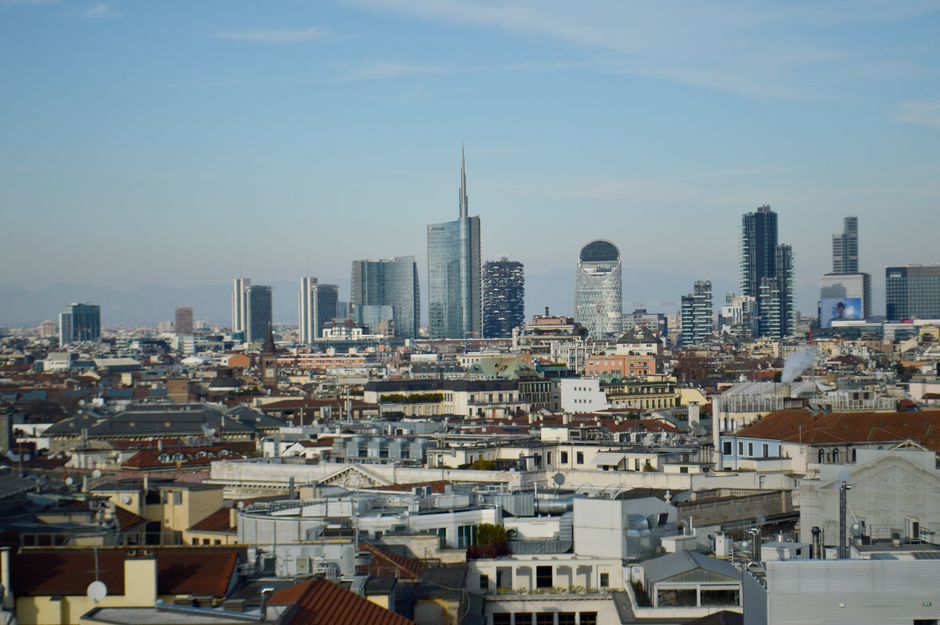
Walk through the Navigli district on any weekday evening and you'll spot something that seemed impossible five years ago: residents sipping aperitivos while their groceries arrive via autonomous delivery pods, their apartment temperatures controlled by AI systems, and their commutes tracked by hyperlocal mobility apps that didn't exist when Milan's last major tech boom peaked.
This isn't science fiction. It's the tangible result of €340 million in venture capital deployed across Milanese startups in 2025 alone—a 67% increase from 2023—according to preliminary data from Milano&Partners and the Northern Italy Venture Capital Association. That money is reshaping everyday life for the city's 1.3 million residents in ways both visible and invisible.
The shift is most obvious in mobility. Companies like those headquartered in the Isola neighbourhood have raised substantial Series B and C rounds to expand beyond Milan's boundaries, but their impact here is immediate. Last-mile delivery times have collapsed from 48 hours to under 90 minutes in central zones. A resident near the Duomo paying €8.99 monthly for a grocery app subscription can now access same-hour delivery from neighbourhood shops on Via Torino and Via della Spiga—a convenience that's forced traditional retailers to modernise or fade.
Real estate tech is equally transformative. Venture-backed proptech firms operating from co-working spaces in Porta Romana have digitised Milan's notoriously opaque rental market. What once required visits to five agencies now happens through algorithmic matching. Average apartment-hunting time has dropped from 6 weeks to 2.5 weeks, according to local real estate associations.
The energy sector tells a similar story. Startups in the Lambrate innovation district—once industrial, now Milan's emerging tech hub—are deploying smart grid technology that's already reducing household energy bills by 12-18% for early adopters. With Milan's average household paying €1,200 annually for utilities, this translates to tangible savings.
Yet perhaps the quietest revolution involves community infrastructure. Venture-backed civic tech platforms have digitised everything from swimming pool bookings at Piscina Cozzi to parking availability across Brera, reducing friction in ways locals barely register but deeply appreciate.
The venture ecosystem itself has matured. Milan now hosts 47 dedicated VC firms managing €2.8 billion in assets, compared to 19 firms in 2020. This isn't just numbers—it's stability, follow-on funding, and the infrastructure that allows founders to think long-term. The result is a city where innovation isn't confined to startup garages anymore. It's embedded in how Milanese residents live, move, and consume.
This article was compiled by AI from the sources linked above and screened before publishing. See our editorial standards.