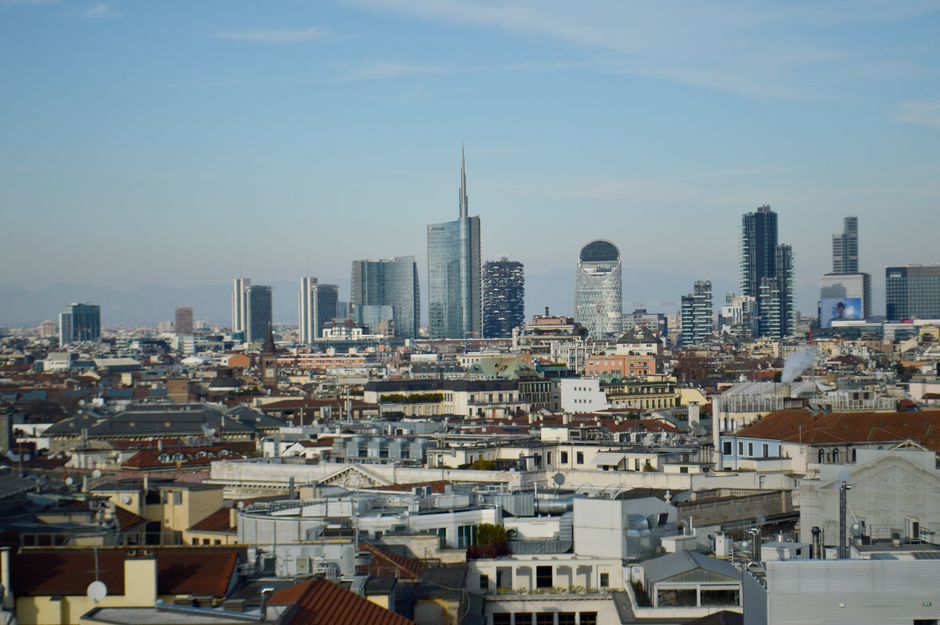
Milan's coworking sector is entering a new phase of technological maturation. Industry leaders operating across premium neighbourhoods—from the sleek glass towers of Porta Nuova to the converted industrial spaces of Navigli—are announcing ambitious product roadmaps that signal a fundamental shift away from traditional desk-sharing models toward intelligent, adaptive workspaces.
The trajectory reflects broader market trends. According to recent workspace analytics, Milan's coworking penetration has stabilized at approximately 12% of the professional workforce, with the sector valued at €320 million annually. But growth isn't coming from raw desk expansion anymore. Instead, operators are investing heavily in artificial intelligence, health monitoring, and community-driven features designed to justify premium pricing in an increasingly crowded market.
Several major players have confirmed developments launching across 2027. Leading platforms are integrating real-time occupancy prediction systems, allowing members to reserve spaces algorithmically optimized for their productivity patterns. Thermal comfort AI—systems that adjust temperature, lighting, and air quality based on biometric feedback—is being rolled out across flagship locations in Brera and Lambrate. One significant announcement involves vertical farming installations within coworking commons areas, a sustainability play that also addresses Milan's growing interest in wellness-integrated workspaces.
The competitive pressure is intense. Traditional corporate real estate firms are launching their own flexible workspace divisions, while tech-native startups are challenging incumbents with blockchain-verified booking systems and cryptocurrency payment options. Meanwhile, neighbourhood-specific operators are carving niches: the Isola district has seen emergence of creative-sector-focused hubs, while financial services clusters near Piazza Affari continue attracting premium operators offering compliance-grade security infrastructure.
What's particularly notable is the emphasis on local community integration. New roadmaps include dedicated collaboration zones with neighbouring universities, subsidized memberships for Milan-based scale-ups, and programming partnerships with cultural institutions like the Fondazione Prada. This represents a deliberate pivot toward embedding coworking within Milan's existing economic and social fabric, rather than operating as isolated commercial entities.
Pricing architecture is also evolving. While entry-level hot-desking remains stable around €250–300 monthly, premium offerings incorporating AI features and wellness amenities are targeting €800–1,200, a significant premium justified by operators as providing measurable productivity gains and health outcomes.
As remote work maturation continues and hybrid arrangements entrench themselves across Milan's professional landscape, the sector's future success depends entirely on technological differentiation and local relevance. The next 18 months will determine whether coworking spaces evolve into genuinely intelligent, community-embedded environments—or become commodified, interchangeable boxes.
This article was compiled by AI from the sources linked above and screened before publishing. See our editorial standards.