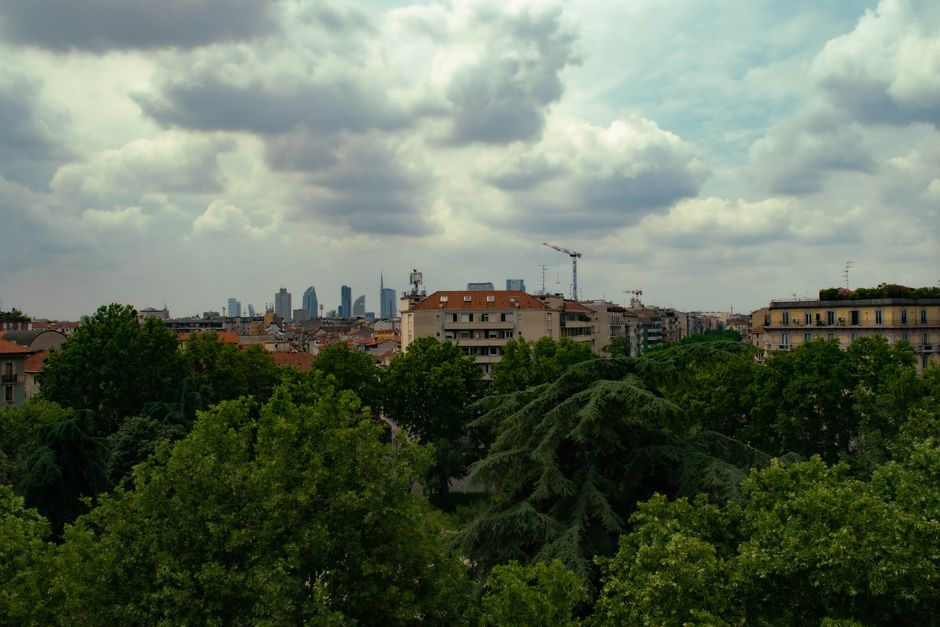
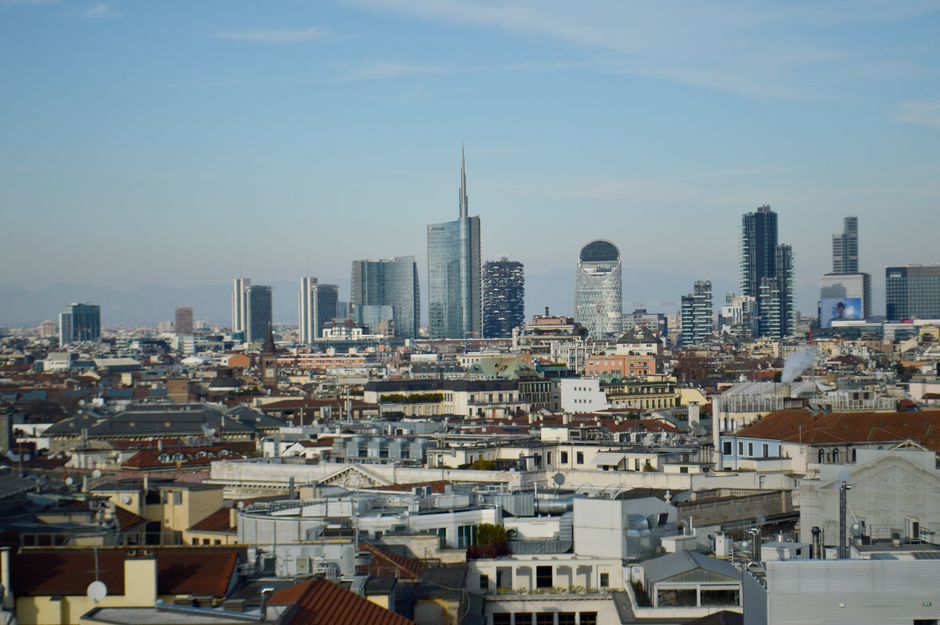
Milan's tech ecosystem has undergone a quiet but unmistakable shift. Walk through the renovated warehouse spaces of Lambrate or the converted lofts around Navigli, and you'll find startups solving problems that Silicon Valley is still debating: how to decarbonise urban heating, scale sustainable packaging, and democratise renewable energy investment across Southern Europe.
The numbers tell the story. According to recent data from the Italian venture capital association, clean tech and green energy startups raised €47 million across Lombardy in the first half of 2026—a 34% increase year-on-year. Milan accounts for roughly 60% of those deals, marking the city's emergence as a serious competitor to Berlin and Copenhagen in the European green tech race.
What's driving this momentum? Part of it is structural. The European Union's strict emissions targets for 2030 have forced large industrial players—many headquartered in the Milan metropolitan area—to invest upstream in climate solutions. That corporate appetite has created a genuine market for startups, not just sustainability theatre.
Take the concentration of activity around Politecnico di Milano's campus in the Città Studi neighbourhood. The university's newly expanded innovation hub now hosts over 40 climate-focused startups, up from 12 three years ago. Most are still pre-revenue, but several have caught the attention of established venture firms. A hydrogen storage startup operating from a lab near Piazza Leonardo da Vinci recently closed a Series A, while a company developing AI-driven energy management for apartment buildings secured €8.2 million in May.
The scene extends beyond Politecnico's shadow. Near Centrale Monumental, a cluster of deep-tech founders are working on battery chemistry and grid storage. Around Brera and Moscova, consumer-facing circular economy platforms—think resale marketplaces and corporate waste tracking—are attracting international talent and investor attention.
Not everything is moving smoothly. Founders complain about the gap between Italian regulatory ambition and execution. Securing permits for pilot projects in Milan's densely packed neighbourhoods remains frustratingly slow. Access to patient capital is uneven; most early-stage rounds still come from government grants rather than private investors.
Still, the trajectory is clear. Milan's green tech moment isn't a distant promise—it's unfolding across Lambrate, Navigli, and Città Studi right now. The question isn't whether the city can build a world-class clean energy startup scene. The question is how quickly founders can scale before the window of corporate interest and regulatory tailwinds narrows.
This article was compiled by AI from the sources linked above and screened before publishing. See our editorial standards.