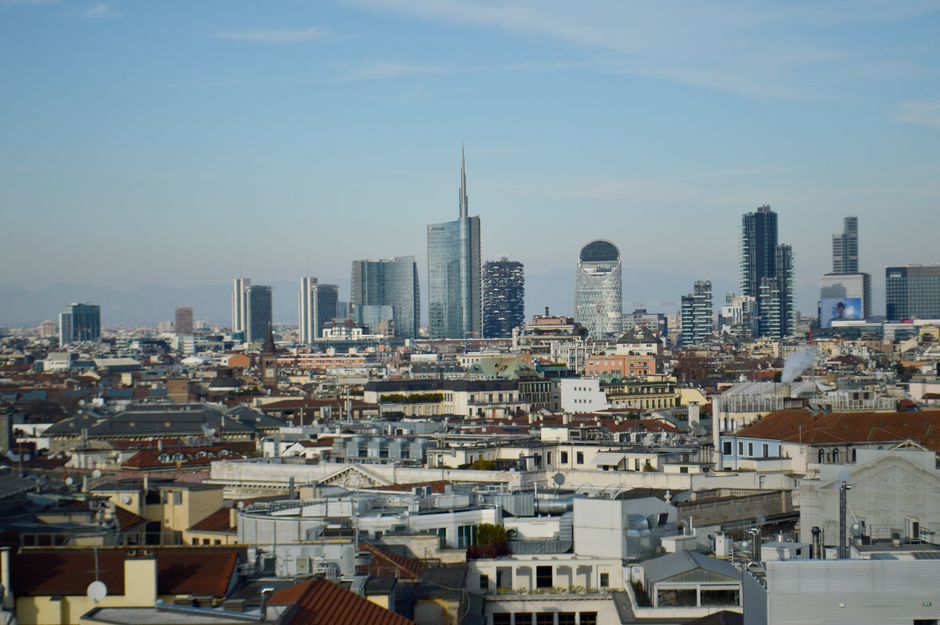
Walking through Piazza Duomo during evening rush hour used to mean navigating gridlocked traffic and crowded metro platforms. Today, Milan residents increasingly bypass this chaos entirely. The city's integrated mobility platform—launched across the centre three years ago—now guides 380,000 daily commuters through real-time route optimisation, suggesting everything from bike-sharing alternatives to underground train timing. For those working in the Garibaldi business district, the shift has been transformative.
"The average commute from Lambrate has dropped from 47 minutes to 31," says a spokesperson for Milan's Digital Innovation Office, based in the Vertical Forest district. This isn't accidental. The city installed over 8,000 IoT sensors across major routes—Corso Buenos Aires, Via Torino, and the Navigli waterway—that feed real-time traffic data to residents' phones. A standard metro pass now costs €2.10 daily, but those using the app-integrated system save an average of €180 annually by avoiding peak-hour pricing surcharges.
Energy consumption tells a similar story. The residential district of Brera has emerged as a testing ground for smart grid technology. Participating households—around 12,000 so far—benefit from automated heating and cooling that responds to real-time pricing signals from Terna, Italy's transmission operator. Winter heating costs have fallen 22 percent on average, according to municipal data released in April 2026. For renters in older buildings like those around Via Brera itself, the difference between €180 and €140 monthly utility bills matters significantly.
The city's waste management system, overhauled in 2024, has also changed street-level behaviour. Smart bins across the Navigli neighbourhood now send full-capacity alerts directly to collection crews, eliminating the overflow that plagued the area's boutique-lined streets. Residents who sort correctly earn digital credits redeemable at local markets—a gamification approach that's increased recycling compliance to 67 percent, up from 41 percent in 2022.
But the transformation hasn't been frictionless. Privacy concerns erupted when residents discovered the scope of the sensor network beyond traffic monitoring. City officials established an independent oversight board, and data anonymisation protocols tightened. Adoption remains uneven: older neighbourhoods like Sant'Ambrogio lag in digital literacy, prompting the city to partner with local libraries for free training courses.
Still, for most Milanese navigating the city in 2026, smart systems have become invisible infrastructure—noticeable primarily in their absence. The daily grind has genuinely shifted.
This article was compiled by AI from the sources linked above and screened before publishing. See our editorial standards.