Milan's AI Future: What's Coming Next in the City's Tech Roadmap
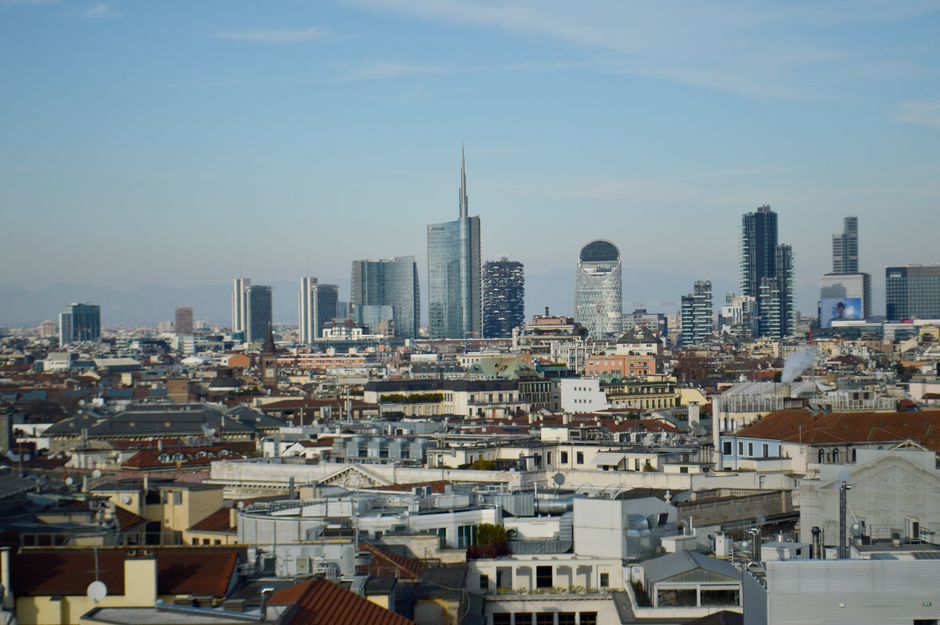
From Porta Nuova to Navigli, Milan's startups and established tech firms are racing to deploy the next generation of AI tools—and they're reshaping how the city does business.
From Porta Nuova to Navigli, Milan's startups and established tech firms are racing to deploy the next generation of AI tools—and they're reshaping how the city does business.
Milan's technology sector is at an inflection point. While the city has long attracted venture capital—the startup ecosystem around Zona Tortona and Brera has grown steadily—the next 18 months will see a dramatic shift in which AI products actually reach market, and how deeply they embed themselves into the region's manufacturing, fashion, and financial services sectors.
At the Milan Innovation Hub near Centrale station, conversations have shifted from theoretical AI applications to concrete deployment timelines. Several homegrown firms are preparing releases that move beyond chatbots and image generation. One emerging focus: AI-driven supply chain optimization for luxury goods manufacturers in the Brianza region north of the city. These tools promise to cut production waste by up to 22 percent—a figure that matters enormously when margins are tight and exclusivity is paramount.
The fashion industry, Milan's traditional lifeblood, is particularly animated. Design firms along Via Montenapoleone and in the Quadrilatero d'Oro are piloting AI systems that analyze global trends in real time, helping predict seasonal demand with greater accuracy. By late 2026 and into 2027, expect these tools to move from beta testing into standard workflow integration. The cost per license typically ranges from €15,000 to €50,000 annually—significant but recoverable through inventory optimization.
Financial technology represents another frontier. Fintech startups clustered in the Isola neighborhood and around Porta Garibaldi are racing to launch AI-powered risk assessment and compliance platforms tailored to Italian and EU regulatory frameworks. These aren't generic products; they're built specifically for Milan's dense concentration of mid-market companies and private banking institutions.
What's striking is the infrastructure investment underpinning these launches. Milano Centrale and other major hubs are seeing increased digital connectivity, while major coworking networks have upgraded their AI computing capacity to support development teams working with large language models and specialized datasets.
The broader picture: Milan isn't simply adopting AI tools built elsewhere. It's developing region-specific applications rooted in local industry expertise. Expect announcements from established design software companies, logistics platforms, and financial services providers throughout the second half of 2026. The real test will be adoption rates among the city's traditionally cautious mid-market firms—the backbone of Milan's economy.
That's where the next phase of the story gets interesting.
This article was compiled by AI from the sources linked above and screened before publishing. See our editorial standards.
How does this story make you feel?
Spread the word
About this article
Published by The Daily Milan
Daily brief
Free, in your inbox before 7am. Weekdays.
More in tech