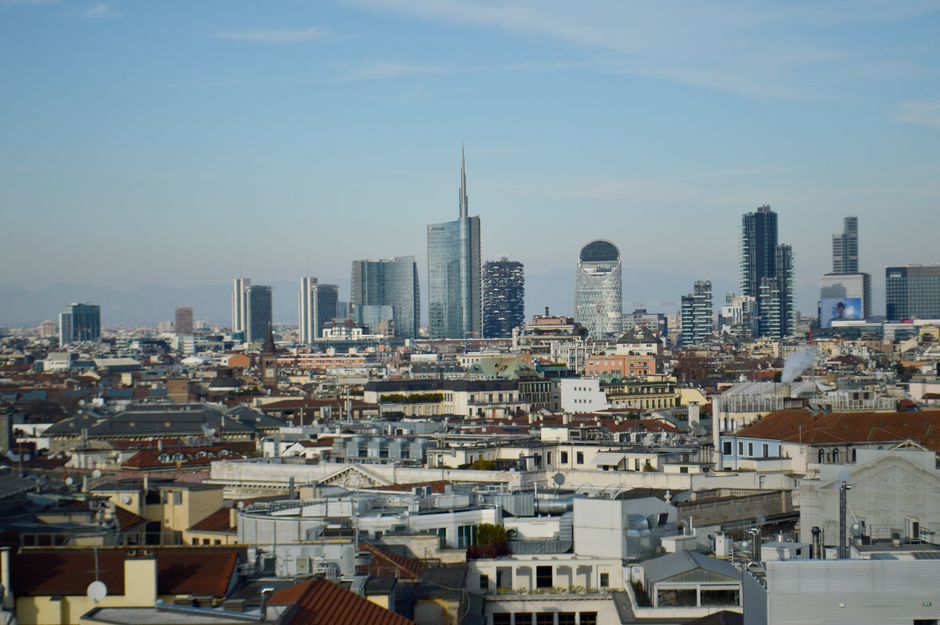
Milan's Digital Fortress: How cybersecurity promises safety—but at what cost?
As the city's tech sector booms, security experts grapple with privacy erosion, ethical trade-offs, and the question of who really controls our data.
As the city's tech sector booms, security experts grapple with privacy erosion, ethical trade-offs, and the question of who really controls our data.
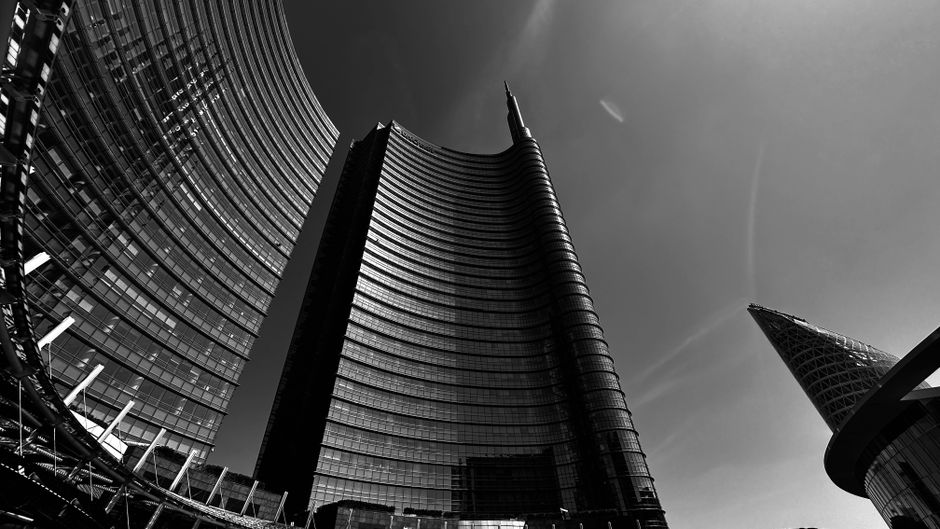
Walk through the gleaming corridors of Milano Innovation District in Porta Romana, and you'll hear the same refrain: digital safety is non-negotiable. Yet beneath Milan's glittering tech renaissance lies a thornier reality—one where protecting ourselves from cybercrime increasingly means surrendering our privacy to the very systems meant to shield us.
The numbers tell a compelling story. Italy recorded over 2,000 reported cyberattacks in 2025, with Milan's financial and fashion sectors bearing disproportionate targets. A recent survey by the Polytechnic of Milan found that 73% of local businesses have experienced some form of data breach or attempted breach. For consumers, the anxiety is palpable: a Milan Chamber of Commerce study revealed that 62% of city residents worry about online privacy, yet feel powerless to change their behavior.
"The paradox is real," explains cybersecurity infrastructure across the city—from facial recognition in Centrale station to AI-driven monitoring of financial transactions in Brera's banking district. These systems undoubtedly catch criminals. They also create permanent digital footprints of ordinary life, often without explicit consent.
The ethical tensions run deeper still. Milan hosts headquarters for major European tech firms and cybersecurity startups clustering around Via Torino and the Navigli district. These companies profit handsomely from selling security solutions to anxious enterprises and individuals. Yet the business model itself—monetizing fear while collecting intimate behavioral data—raises uncomfortable questions about whose interests are truly served.
Consider the emerging threat of "security theater." Premium cybersecurity packages in Milan now cost €3,000–€8,000 annually for individuals, often bundled with data collection that exceeds the threat being mitigated. European privacy advocates increasingly question whether encryption backdoors demanded by governments genuinely protect citizens or simply shift vulnerability elsewhere.
The conversation is shifting, however. Milan's civil society organizations, including advocacy groups near Piazza Castello, are demanding transparency about algorithmic decision-making in security systems. The city's younger tech workers—many clustered in co-working spaces around Lambrate—express skepticism about surveillance-heavy approaches, pushing for privacy-first design philosophies.
The path forward isn't simple. Security without privacy is tyranny; privacy without security enables harm. Milan's role as a global tech hub means these decisions ripple far beyond Lombardy's borders. As the city charts its digital future, the stakes—and the ethical questions—have never been higher.
This article was compiled by AI from the sources linked above and screened before publishing. See our editorial standards.
How does this story make you feel?
Spread the word
About this article
Published by The Daily Milan
Daily brief
Free, in your inbox before 7am. Weekdays.
More in tech