Milan Green Tech Companies: Inside the Ecosystem
Discover how Milan's cleantech startups leverage industrial heritage and fashion sustainability standards to compete globally. Exploring the Lambrate corridor advantage.
Discover how Milan's cleantech startups leverage industrial heritage and fashion sustainability standards to compete globally. Exploring the Lambrate corridor advantage.
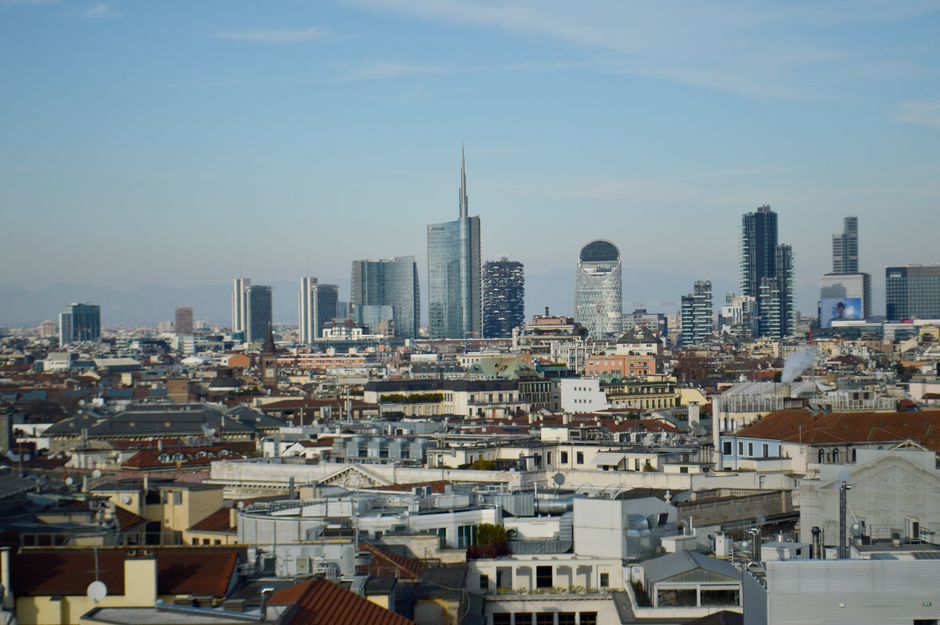
When venture capitalists assess Europe's clean energy hubs in 2026, Milan rarely tops initial lists dominated by Berlin's startup culture or Copenhagen's wind dominance. Yet the Lombard capital has quietly assembled something rarer: a green tech ecosystem where legacy manufacturing know-how meets fashion-industry environmental standards, creating solutions tailored to no other city's competitive advantage.
The distinction traces to geography and history. Milan's industrial corridor—stretching from Lambrate through Isola toward the Navigli—houses not just startups but suppliers, designers, and engineers who've spent generations perfecting precision manufacturing. When cleantech founders needed expertise in solar panel efficiency or battery materials, they found entire supply chains already calibrated for quality. Unlike Berlin's predominantly digital-native scene, Milan's green sector inherited institutional knowledge.
The numbers reflect this positioning. Milan hosts approximately 340 cleantech companies, according to June 2026 regional data, but the median funding per startup exceeds €2.8 million—higher than comparable Italian tech hubs. More tellingly, 62% of these firms operate in hardware or materials innovation, not just software, reflecting that manufacturing advantage.
The city's fashion industry amplified this further. Prada, Armani, and dozens of smaller luxury houses face non-negotiable EU sustainability mandates; they cannot simply outsource environmental compliance. This created a captive market for local cleantech solutions. Companies like those emerging from the Hub Milano near Porta Volta or incubators within the Bovisa district focus intensely on supply-chain transparency, textile recycling, and carbon tracking—problems that silicon-first startups elsewhere treat as afterthoughts.
Real estate dynamics reinforce the ecosystem. Converted industrial spaces in Porta Romana and around the Navigli offered affordable square meters compared to northern European equivalents, allowing hardware companies to maintain small manufacturing operations alongside R&D. A startup testing renewable materials can retain prototype production in-house rather than contracting to Asia—a fundamental operational difference.
The city hasn't commercialised this distinctiveness widely. Marketing budgets favour flashier narratives. Yet conversations with investors reveal a growing pattern: when cleantech founders pitch solutions requiring Italian precision, regulatory expertise within EU fashion frameworks, or legacy manufacturing relationships, Milan's ecosystem delivers. Berlin excels at venture-scale software; Copenhagen at policy-driven wind expertise. Milan quietly dominates the intersection of industrial rigour and environmental necessity—a niche that, as global supply chains fracture and resilience trumps pure efficiency, may prove increasingly valuable.
This article was compiled by AI from the sources linked above and screened before publishing. See our editorial standards.
How does this story make you feel?
Spread the word
About this article
Published by The Daily Milan
Daily brief
Free, in your inbox before 7am. Weekdays.
More in tech