Walk into a typical pasticceria along Via Torino these days, and you'll likely encounter AI before you encounter the baker. Smart scheduling systems now predict which cornetti and panettone variants will sell out by noon, reducing waste while ensuring fresher stock for afternoon customers. What once required a shopkeeper's intuition now runs on algorithms analysing weather patterns, foot traffic, and historical sales data.
This quiet technological shift is rippling across Milan's neighbourhoods. In Navigli, where artisanal workshops have long defined the district's character, small manufacturers are adopting AI-powered quality control systems. One local metalwork studio recently reported a 23% reduction in defects after implementing computer vision technology that catches imperfections invisible to the human eye. The cost? Roughly €8,500 for a modest setup—steep for family businesses, but increasingly unavoidable in a competitive market.
The real transformation, however, is happening in customer service. Retail shops in the Corso Buenos Aires area have introduced AI chatbots handling initial customer inquiries across Italian, English, and Mandarin. Milan's fashion retail sector—worth an estimated €2.8 billion annually in the city—is quietly digitising, with boutiques using predictive analytics to stock inventory based on Instagram trends and micro-influencer movements within specific postcodes.
Transport hasn't escaped either. Milano's Atm public transit system has implemented AI traffic prediction, subtly adjusting bus routes during peak hours. Commuters from Lambrate to Centrale stations have noticed fewer delays, though few realise algorithms are orchestrating the improvement.
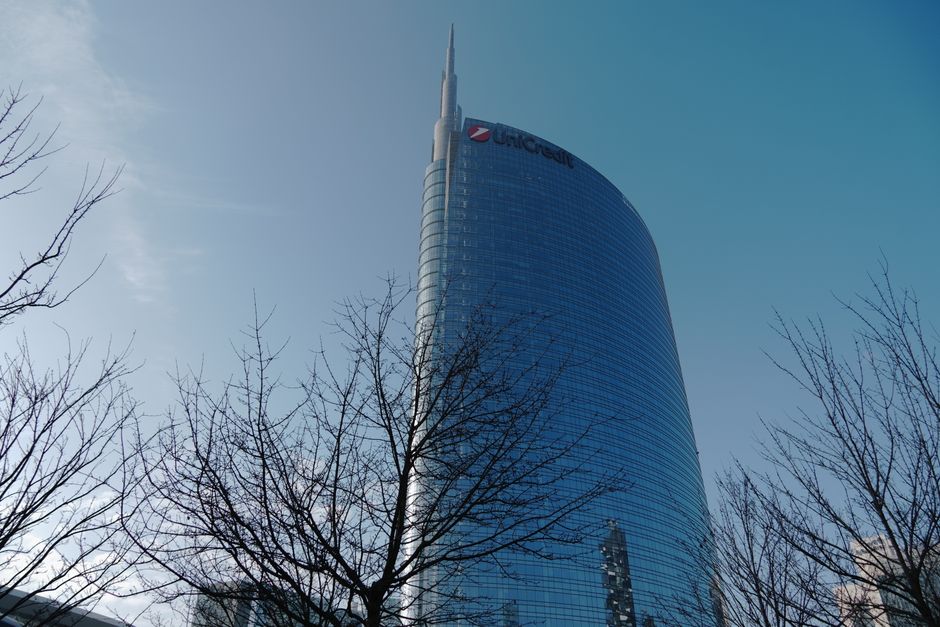
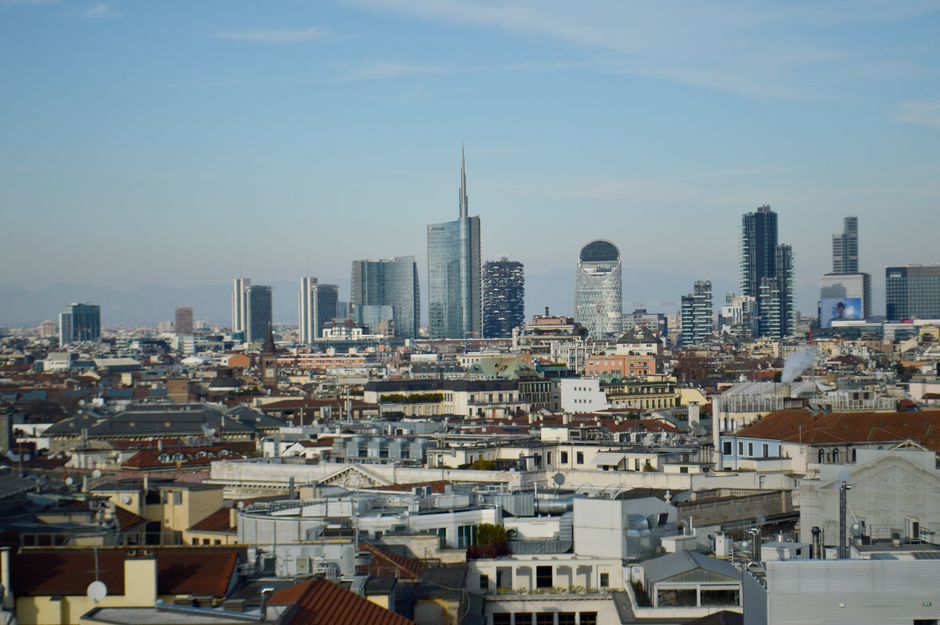
Yet adoption remains uneven. While larger enterprises in the Porta Nuova business district embrace automation, traditional family-run businesses in Isola and Greco struggle with both costs and digital literacy. Milan's Chamber of Commerce estimates roughly 60% of small businesses (under 10 employees) have adopted some form of AI tool, up from just 18% in 2023—but implementation ranges from sophisticated to haphazard.
The human cost simmers beneath the surface. Administrative roles at Milan's mid-sized firms have contracted by an estimated 8-12% since 2024. The city's unemployment rate ticked up 0.3 percentage points year-on-year, though new roles in AI maintenance and data analysis have partially offset losses.
For now, Milan remains distinctly Milanese. The espresso at Café Cova tastes unchanged, handshakes still seal deals, and conversation still flows in neighbourhood bars. But the machinery humming beneath the city's surface has fundamentally shifted—invisible, efficient, and increasingly unavoidable.
This article was compiled by AI from the sources linked above and screened before publishing. See our editorial standards.