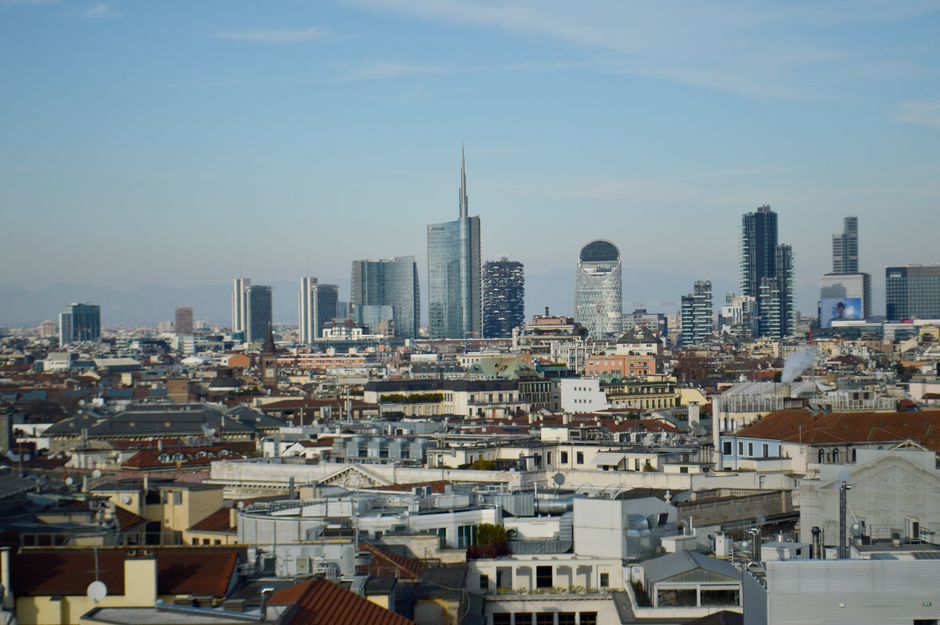
Milan's Tech Boom: €2.3 Billion in VC Funding Powers Northern Italy's Innovation Renaissance
As venture capital floods into Lombardy's startup ecosystem, Milan cements its position as Europe's fastest-growing tech hub outside London and Berlin.
As venture capital floods into Lombardy's startup ecosystem, Milan cements its position as Europe's fastest-growing tech hub outside London and Berlin.
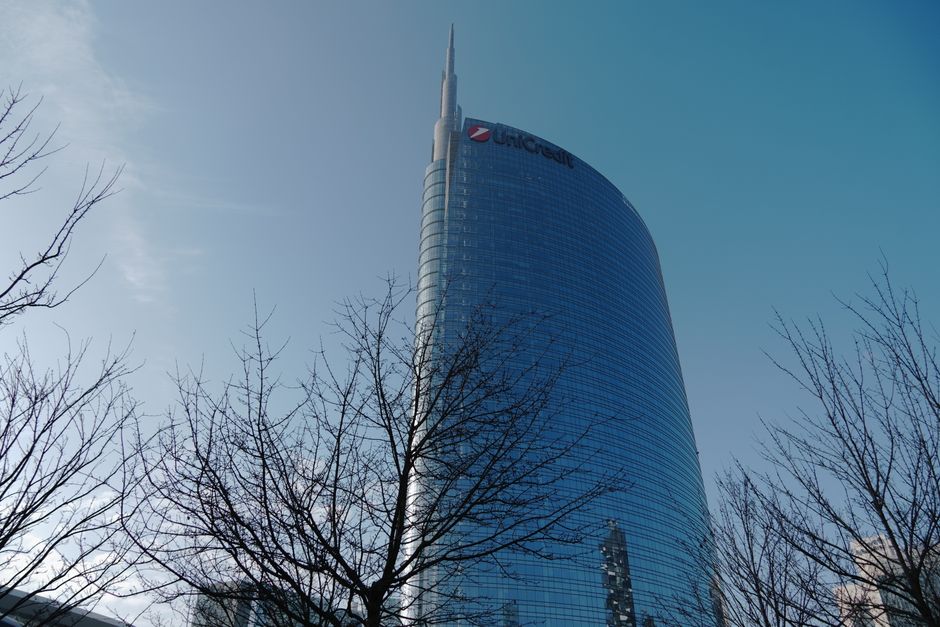
Milan's transformation from fashion capital to innovation powerhouse accelerated dramatically over the past eighteen months, with venture capital investment in the city's technology sector reaching €2.3 billion in 2025—a 67 percent increase from 2023, according to new data from the Italian Private Equity and Venture Capital Association.
The concentration of deal-making has gravitationally shifted toward the Porta Nuova and Garibaldi districts, where purpose-built innovation spaces and co-working hubs now anchor a ecosystem that stretches from Corso Como to the Navigli. The transformation reflects a broader confidence in Lombardy's ability to compete globally for tech talent and entrepreneurial ambition.
"We're seeing institutional money treat Milan differently now," explains the ecosystem's trajectory through recent announcements: German venture firm Lakestar led a €45 million Series B for a Milan-based climate-tech startup last April, while three separate AI companies headquartered in the city's Isola neighbourhood attracted over €120 million in combined funding during Q1 2026.
The shift has concrete consequences. Office space in premium tech corridors now commands €18-22 per square meter monthly—double the rate of three years ago. Yet founders continue arriving. An estimated 340 new tech companies registered their headquarters in Milan during 2025, compared to 210 in 2022, with particular strength in artificial intelligence, climate technology, and deep-tech manufacturing software.
Government backing reinforces private momentum. The Lombardy regional government's €150 million innovation fund, launched in late 2024, specifically targets early-stage companies in Milan and surrounding provinces. Meanwhile, the Politecnico di Milano and Bocconi University have formalized startup accelerator programs with direct connections to venture networks across Europe and North America.
The competitive dynamic matters. Turin's automotive-focused tech cluster and Bologna's biotech corridor remain significant regional players, but Milan's scale—combined with proximity to major financial institutions and multinational corporations—has proven decisive for venture investors evaluating headquarters location.
Not everyone celebrates the trend uncritically. Residential rents in traditionally affordable neighbourhoods like Isola have surged 24 percent since 2023, displacing long-term residents. Urban planners warn of concentration risks, noting that VC funding remains heavily weighted toward software and AI at the expense of hardware innovation or companies addressing local manufacturing challenges.
Yet the numbers suggest momentum remains firmly upward. Industry analysts project Milan will absorb €2.8 billion in technology venture funding during 2026—positioning the city to rival Amsterdam and Stockholm as Europe's premier emerging tech capital.
This article was compiled by AI from the sources linked above and screened before publishing. See our editorial standards.
How does this story make you feel?
Spread the word
About this article
Published by The Daily Milan
Daily brief
Free, in your inbox before 7am. Weekdays.
More in tech