Milan's Green Tech Boom: Whose Future Are We Really Building?
As the city pivots toward clean energy, uncomfortable questions emerge about labour, inequality, and the true cost of our sustainability.
As the city pivots toward clean energy, uncomfortable questions emerge about labour, inequality, and the true cost of our sustainability.

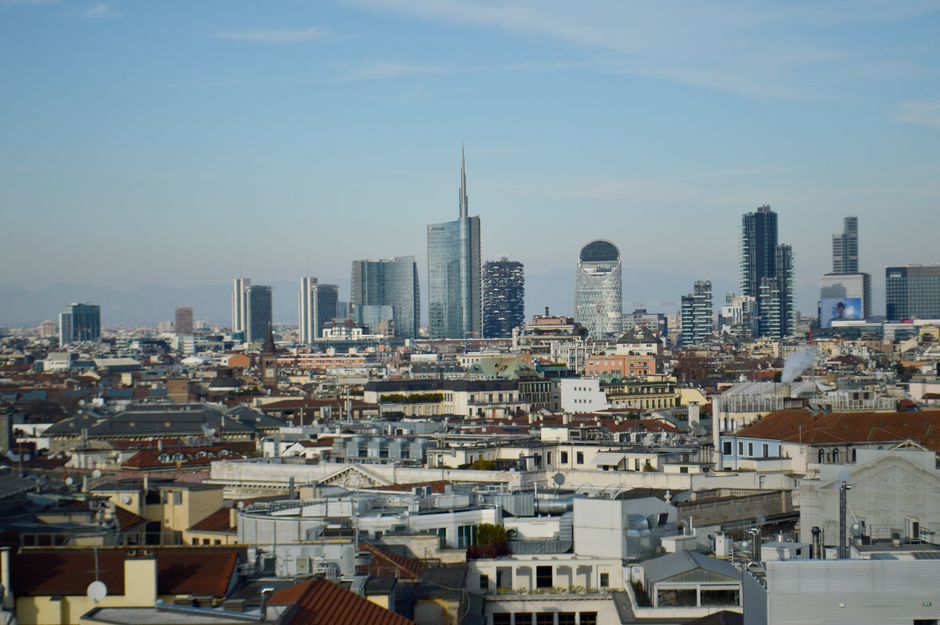
Walk through Navigli on any given evening and you'll see the narrative of Milan's green transformation laid bare: solar panels glinting off refurbished warehouse lofts, electric scooters scattered across cobblestones, startup incubators in former industrial spaces promising a carbon-neutral future. The city has committed to net-zero emissions by 2050, and the investment is real. Yet beneath the polished sustainability messaging lies a murkier reality that Milan's tech community has only begun to confront.
The numbers look impressive on paper. In 2025, clean tech investments in the Lombardy region reached €2.3 billion, with Milan capturing the lion's share. Companies like Enel and A2A have expanded operations across the city, while smaller firms cluster in innovation hubs around Porta Romana and Bicocca. Battery recycling facilities, vertical farms, and renewable energy startups have become fixtures of the urban landscape. Yet this acceleration has exposed fractures in how we define and deliver sustainability.
Consider the supply chains. Milan's growing battery tech sector depends on lithium, cobalt, and rare earth minerals extracted under conditions that often exploit workers and devastate ecosystems in countries with weaker environmental protections. A solar panel installation on Via Torino may offset carbon emissions, but at what labour cost to those mining the silicon? Few consumers—or investors—ask these questions.
Then there's the equity problem. Green retrofitting in neighbourhoods like Brera and Crocetta drives up rents, displacing long-term residents in the name of sustainability. Meanwhile, working-class districts in the city's periphery remain locked into energy poverty, reliant on ageing gas infrastructure. The promise of a sustainable Milan risks becoming a luxury amenity for the wealthy.
There are also hard technical questions that Milan's tech sector hasn't adequately addressed. The renewable transition requires massive mineral extraction and manufacturing—processes that carry their own environmental footprint. Energy storage remains prohibitively expensive for many households. And intermittency challenges with wind and solar demand grid-level solutions that demand massive infrastructure investment, with costs distributed unequally across society.
The tech community's role matters here. Startups and established firms operating from Bicocca's innovation district to Isola's creative spaces shape this transition. Some are asking the difficult questions; many aren't. True sustainability isn't simply a technological problem to be solved by smarter apps or more efficient panels. It's an ethical one.
Milan's green future is possible. But only if the city insists that those profiting from the transition account for its hidden costs—environmental justice, labour standards, and equitable access. Without that reckoning, Milan's clean energy boom risks being another story of progress built on invisible sacrifice.
This article was compiled by AI from the sources linked above and screened before publishing. See our editorial standards.
How does this story make you feel?
Spread the word
About this article
Published by The Daily Milan
Daily brief
Free, in your inbox before 7am. Weekdays.
More in tech