Milan's Startup Boom: How €2.3 Billion in VC Investment Is Reshaping the City's Tech Identity
From fashion capital to innovation hub—venture capital flowing into the Navigli district and beyond is funding a new generation of Italian entrepreneurs.
From fashion capital to innovation hub—venture capital flowing into the Navigli district and beyond is funding a new generation of Italian entrepreneurs.
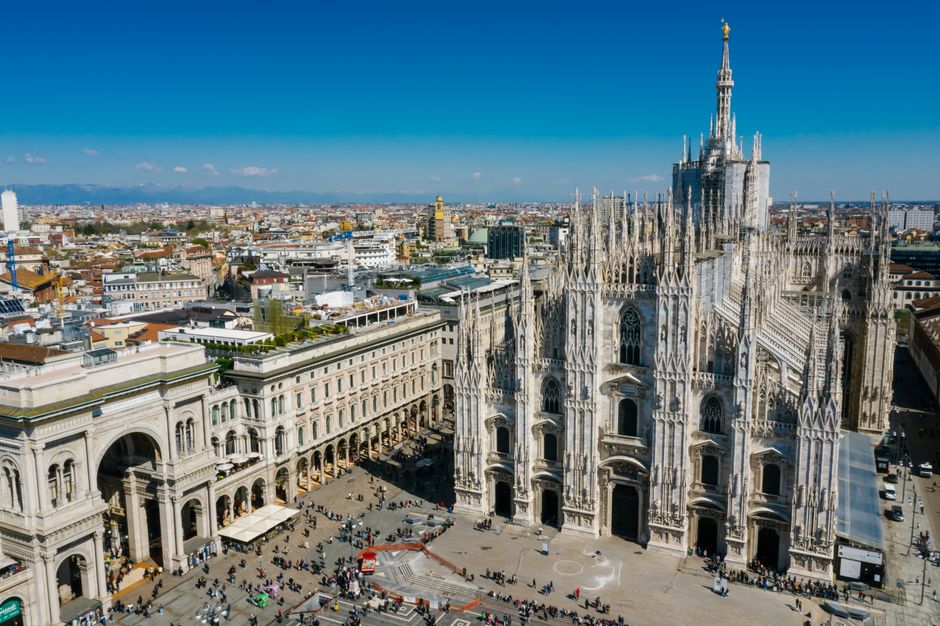
Milan's transformation from a manufacturing and fashion powerhouse into a genuine technology hub has accelerated dramatically over the past three years, driven by unprecedented levels of venture capital investment that have fundamentally altered the city's entrepreneurial landscape.
The numbers tell a compelling story. In 2024, Milan and its surrounding Lombardy region attracted €2.3 billion in venture funding, according to latest industry tracking—a 67% increase from 2021 figures. For a city that was once dismissed as peripheral to Europe's tech ecosystem, dominated by Silicon Valley and Berlin, this represents a seismic shift in how global investors view Italian innovation.
The Navigli neighbourhood, once known primarily for its bohemian cafes and Sunday flea markets, has become ground zero for this transformation. Within a five-block radius around Porta Ticinese, more than forty early-stage tech companies now operate from renovated warehouse spaces and purpose-built innovation centres. Rent here has climbed to €18-22 per square metre—steep by Milan standards, but still dramatically cheaper than London or Berlin equivalent neighbourhoods.
What's driving this capital influx? A convergence of factors. Milan's proximity to major manufacturers in Emilia-Romagna has made it a natural hub for deeptech companies focused on automation and supply-chain innovation. Meanwhile, the city's historical strengths in design and luxury goods have attracted considerable fintech and e-commerce investment, with several unicorn-track companies—valued between €500 million and €1 billion—now based here.
Major institutional players have noticed. Both EQT Ventures and Balderton Capital have opened or expanded dedicated Milan offices since 2023. Italian family offices, traditionally conservative, have begun deploying capital into local tech through structures like the LVenture Group, which manages €85 million across multiple funds targeting northern Italian startups.
The impact extends beyond funding rounds. Universities including Politecnico di Milano and Bocconi have deepened ties with the venture ecosystem, creating a pipeline of technical talent and business acumen that younger tech hubs simply cannot match. Incubators like Polihub and H-Farm now graduate companies with genuine institutional backing rather than hope alone.
Yet challenges remain. Regulatory complexity and labour costs still deter some international founders. And while €2.3 billion sounds substantial, it pales against London's €12 billion annual VC deployment. Still, the trajectory is unmistakable: Milan is no longer a market emerging tech companies pass through on the way to Berlin. It's increasingly a destination where they choose to stay and scale.
This article was compiled by AI from the sources linked above and screened before publishing. See our editorial standards.
How does this story make you feel?
Spread the word
About this article
Published by The Daily Milan
Daily brief
Free, in your inbox before 7am. Weekdays.
More in tech