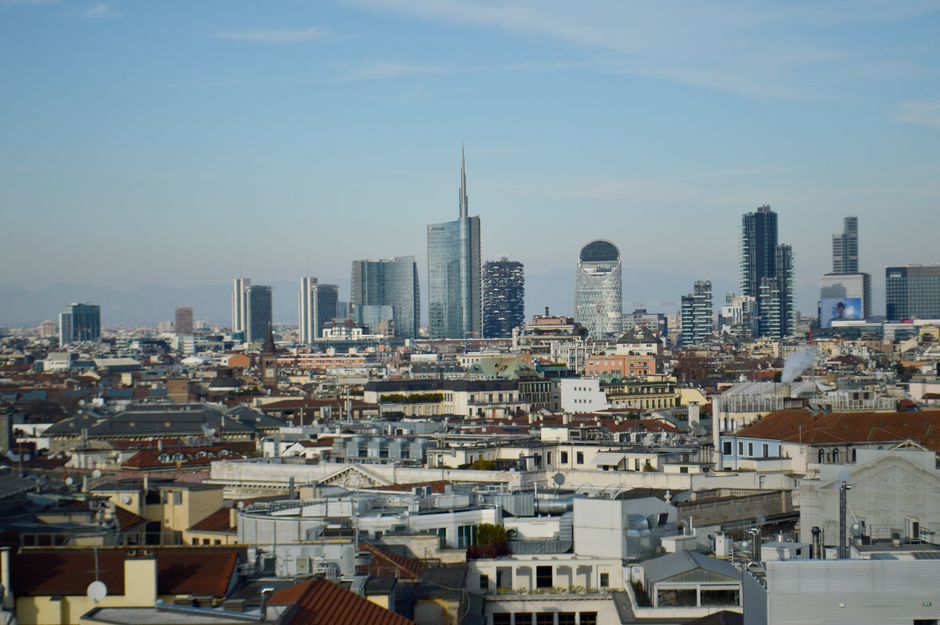
Milan's transformation into an artificial intelligence powerhouse has accelerated dramatically over the past eighteen months, driven by a surge in venture capital and corporate investment that is reshaping the city's business landscape. Recent funding announcements totalling approximately €340 million have positioned the Lombard capital as Italy's undisputed leader in AI development, outpacing Rome and Bologna combined.
The momentum is visible across Milan's most dynamic neighbourhoods. In the Navigli district, where converted warehouses now house tech incubators and research labs, no fewer than seven AI-focused startups have secured Series A funding since early 2025. Meanwhile, along Corso Como and in the Porta Nuova business district, multinational corporations—from automotive to fashion technology firms—have opened dedicated AI research centres, each employing between 40 and 150 specialists.
"The infrastructure is finally here," explains the Milan Chamber of Commerce in recent reporting, noting that the city now hosts 127 registered AI companies, up from just 34 in 2022. Office rental in prime tech hubs like the area surrounding Centrale Station has climbed 22 per cent year-on-year, reflecting intense competition for premium workspace.
Italian tech funds and European venture capitalists are the primary drivers. The Lombardy Regional Fund, managed through Palazzo Lombardia, has allocated €85 million specifically to AI initiatives. Meanwhile, international investors from Silicon Valley, Berlin, and London have established satellite offices in Milan, viewing the city as a strategic gateway to European expansion. One major Berlin-based AI fund opened operations in the Brera neighbourhood last autumn.
The growth extends beyond software. Fashion and luxury goods—traditional pillars of Milan's economy—are aggressively adopting AI for design optimisation, supply chain management, and personalised e-commerce. Several leading design houses have partnered with local AI consultancies based near the Duomo, embedding machine learning into product development cycles.
Industry analysts point to three catalysts: access to engineering talent from Milan's universities, particularly Politecnico di Milano; the city's existing ecosystem of multinational headquarters; and supportive regional policy frameworks. Tax incentives for R&D spending have also proven effective, with companies claiming up to 40 per cent credits on eligible investment.
Yet challenges remain. Housing costs have surged alongside business expansion, straining the workforce pipeline. Skilled AI engineers command salaries 30–40 per cent higher than five years ago. Despite these headwinds, Milan's momentum shows no signs of slowing as 2026 progresses, with three additional venture funds expected to announce Milan operations by year-end.
This article was compiled by AI from the sources linked above and screened before publishing. See our editorial standards.