Milan's Fintech Giants Chart Course for 2027: Here's What's Coming Next
As the city solidifies its position as Europe's fintech hub, a new generation of products promises to reshape how Italians manage money.
As the city solidifies its position as Europe's fintech hub, a new generation of products promises to reshape how Italians manage money.
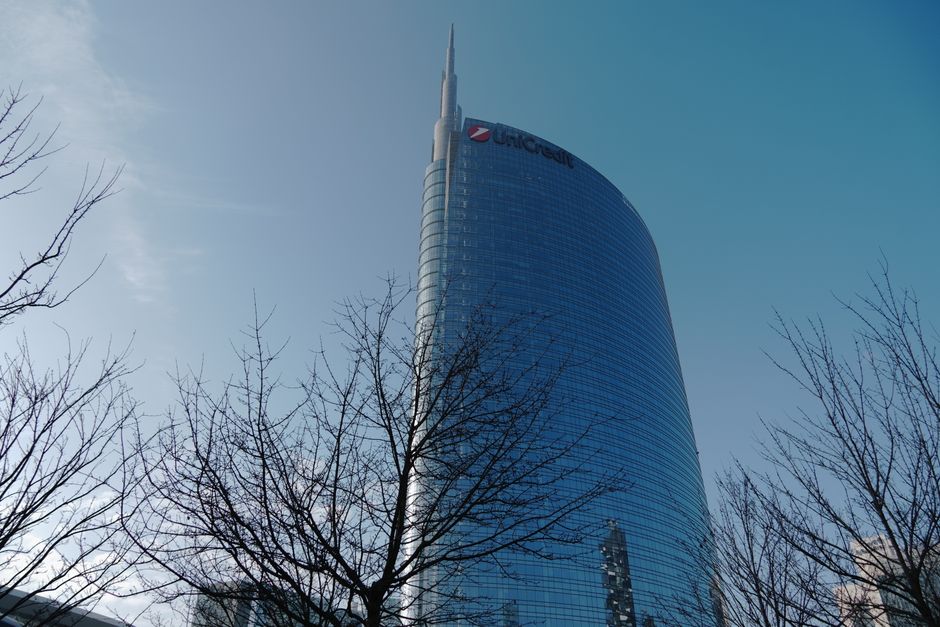
Milan's fintech corridor is moving at breakneck speed. Walk through the renovated warehouse spaces around Zona Tortona or the sleek office complexes near Porta Garibaldi, and you'll find dozens of startups and established players racing to launch the next generation of financial products. The question everyone in the industry is asking: what comes after open banking and embedded finance?
The answer, according to conversations with innovation leaders across the city's fintech ecosystem, points toward three converging trends. First: hyper-personalized wealth management powered by artificial intelligence. Several firms operating from incubators near the Bovisa campus are developing systems that will tailor investment strategies not just to risk appetite, but to life stage, spending patterns, and even carbon footprint preferences. One Milan-based firm expects to launch their MVP by Q3 2026, with beta testing already underway among 500 users across Lombardy.
Second is the acceleration of real-time payments at scale. While Italy has lagged peers on instant settlement, pressure from EU regulators and competitive intensity from fintechs means traditional banks headquartered along Via Broletto are investing heavily. Expect to see same-hour cross-border transfers between EU member states become standard rather than exceptional by early 2027—a significant shift from current 1-3 day settlement windows.
Third, and perhaps most intriguing for Milan's sophisticated investor base: the emergence of "financial operating systems" that integrate banking, insurance, and investment in a single interface. Rather than juggling apps from Generali, their bank, and a brokerage, customers will manage everything through one ecosystem. Two major players are in advanced development phases, with soft launches anticipated in select markets before year-end.
The competitive intensity is real. Milan now hosts over 180 fintech companies—more than any other Italian city—and venture capital deployment in the sector reached €340 million in 2025. That money is chasing first-mover advantage in regulatory sandboxes and emerging use cases.
What's notable is the local angle. Unlike fintech hubs in London or Berlin where much innovation serves global markets, Milan's developers are acutely focused on Italian regulatory requirements and consumer behavior. The complexity of Italy's tax code, regional banking traditions, and skepticism toward purely digital banking mean that successful products here tend to be deeply localized.
The roadmap ahead suggests Milan isn't just hosting fintech activity—it's incubating solutions that reflect European financial maturity. By late 2027, the products launching now should reshape how millions of Italians think about money.
This article was compiled by AI from the sources linked above and screened before publishing. See our editorial standards.
How does this story make you feel?
Spread the word
About this article
Published by The Daily Milan
Daily brief
Free, in your inbox before 7am. Weekdays.
More in tech