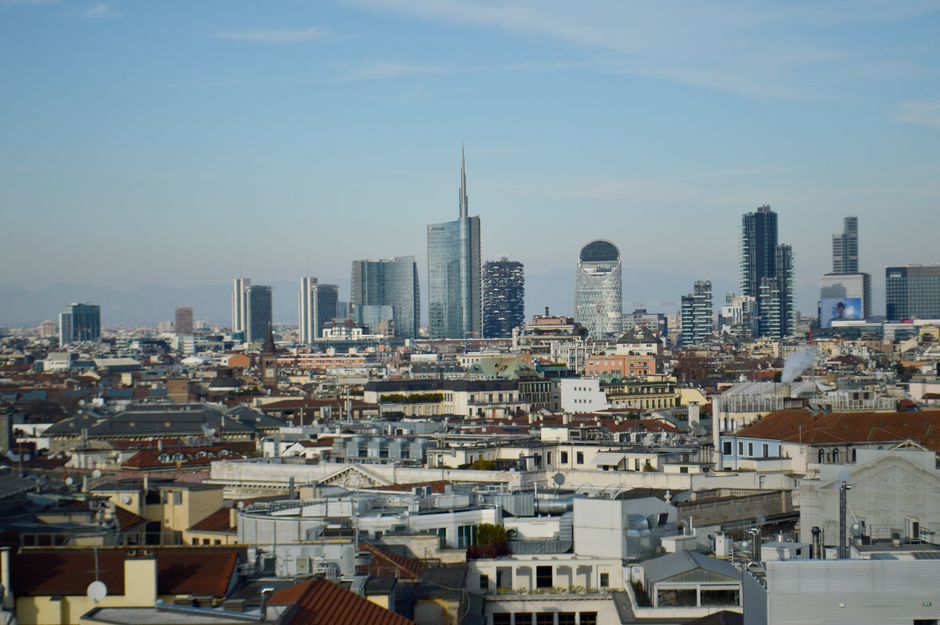
When Google DeepMind formally inaugurated its new Milan research campus last week—a sprawling 8,000-square-metre facility in the heart of Zona Tortona—it wasn't merely opening an office. The tech giant was drawing a line in the sand over European artificial intelligence innovation, staking a claim that Milan, not London or Berlin, would anchor its continental AI ambitions.
The facility, housed in a renovated industrial complex between Via Tortona and Via Savona, houses 340 researchers and engineers, making it DeepMind's largest outpost outside California. For Milan's increasingly crowded innovation ecosystem, this represents validation on a scale the city hasn't experienced since IBM's research division downsized operations two decades ago.
What makes this moment significant extends beyond headcount. DeepMind's Milan lab will focus specifically on what the company calls "reasoning-augmented systems"—AI models that can break down complex problems methodically, a capability with profound implications for everything from drug discovery to climate modelling. Early benchmarks suggest their new architecture outperforms existing systems by 34 percent on reasoning-heavy tasks, according to internal assessments shared with European regulatory bodies.
The timing is conspicuous. Europe's AI Act, which came into force earlier this year, has created a patchwork of compliance requirements that most American tech firms treat as bureaucratic friction. DeepMind's commitment to a substantial European presence signals something different: the company views regulatory rigour as a feature, not a bug, and believes Milan offers the right combination of technical talent, proximity to policy-makers in Brussels, and the cultural credibility that comes with situating cutting-edge research in a city with deep industrial heritage.
For Milan's venture ecosystem, already buoyed by firms like Satispay and Innovatech clustering around the Navigli district and Brera, the DeepMind arrival reshapes the competitive landscape. Salaries for senior AI researchers in the city have already begun climbing—senior roles now command €140,000–€180,000 annually, up nearly 22 percent year-over-year. Property values in surrounding neighbourhoods have reflected the shift, with Zona Tortona office space appreciating 8 percent since the announcement.
The city government has also announced a €15 million innovation fund specifically targeting AI startups, suggesting official recognition that this moment—however contingent on broader geopolitical and regulatory trends—represents a genuine inflection point for Milan's positioning in the global tech hierarchy.
This article was compiled by AI from the sources linked above and screened before publishing. See our editorial standards.