Ageing Brilliantly: How Milan's Senior Community is Redefining Mobility and Vitality
From Sempione Park runners to Navigli cyclists, older Milanese are proving that 60 isn't the beginning of decline—it's the start of transformation.
From Sempione Park runners to Navigli cyclists, older Milanese are proving that 60 isn't the beginning of decline—it's the start of transformation.
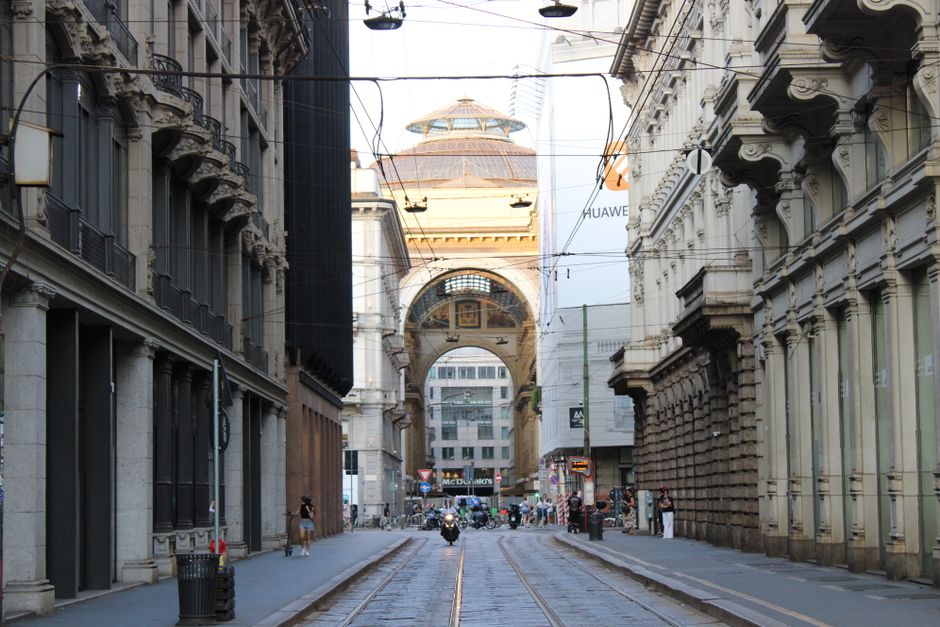
Walk along the tree-lined paths of Sempione Park on any Tuesday morning, and you'll witness Milan's quiet revolution in active ageing. The city's over-60 demographic—now comprising nearly 30% of the metropolitan population—isn't retiring to the sidelines. Instead, they're redefining what wellness looks like in the second half of life.
The shift is tangible across familiar Milanese landmarks. Local gyms in the Navigli district report that senior membership has grown 40% in the past three years, with many participants citing improved joint mobility and cardiovascular health as their primary motivations. The Associazione Sportiva Sempione, which organises guided running and walking groups three times weekly, now operates five separate pace-matched classes—a direct response to demand from residents aged 60 and above.
What makes Milan's approach distinctive is its integration with the city's lifestyle culture. Rather than isolating wellness as clinical activity, older Milanese are embedding movement into existing social rhythms. The aperitivo culture—long central to Milan's social fabric—now frequently incorporates pre-dinner walks along the Navigli canals. Local bars in Brera and Garibaldi report that 'movimento groups' regularly gather for 6pm constitutionals followed by a spritz, combining exercise with community connection.
The city's accessible geography plays a role. Milan's flat terrain, extensive cycling infrastructure, and proximity of green spaces like Parco Sempione mean mobility isn't dependent on strenuous terrain navigation. The Navigli cycling routes, redesigned five years ago with wider paths and strategic rest points, have become particularly popular among active seniors seeking low-impact cardiovascular activity.
Healthcare integration matters too. Milan's public healthcare system increasingly emphasises preventive mobility programmes. The Fondazione IRCCS Cà Granda runs free mobility assessments at its Monumental neighbourhood clinic, helping identify personalised movement approaches that protect joints while building strength—a model spreading to other districts.
Social proof drives participation. Local community centres throughout Milano (particularly in Navigli and Lambrate) host weekly balance and flexibility classes specifically designed to prevent falls—the leading cause of injury-related hospitalisation in people over 65. Word-of-mouth recommendations have created waiting lists at several venues.
The transformation isn't about vanity or extreme fitness. It's pragmatic: maintaining independence, managing chronic conditions, and staying socially embedded. For Milan's ageing population, that's precisely what makes active ageing sustainable—it's not imposed wellness, it's woven into the city's existing rhythm.
For those considering similar changes, consult your local medico di base or physiotherapist to personalise approaches to your specific mobility needs.
This article was compiled by AI from the sources linked above and screened before publishing. See our editorial standards.
How does this story make you feel?
Spread the word
About this article
Published by The Daily Milan
Daily brief
Free, in your inbox before 7am. Weekdays.
More in Wellness