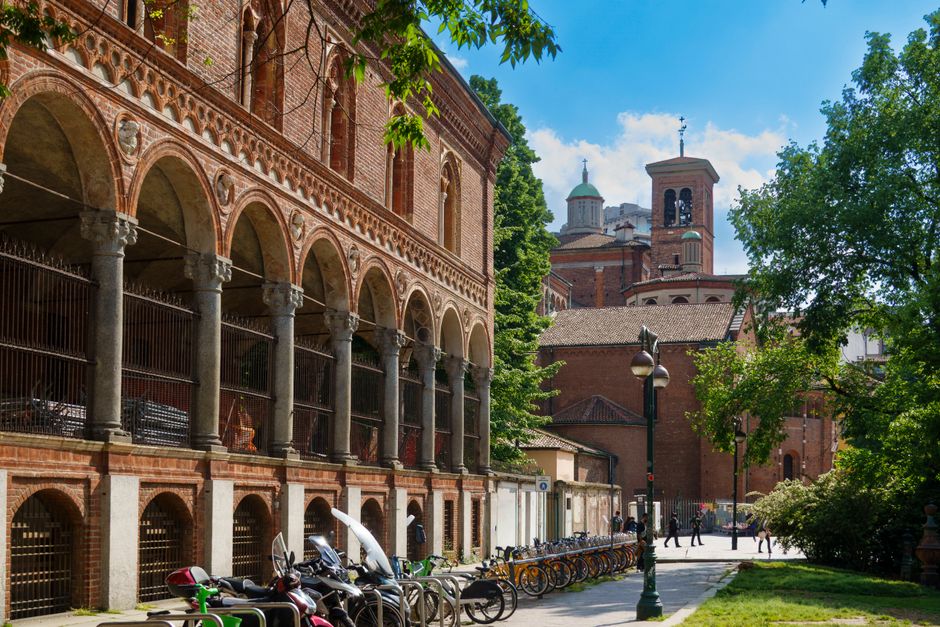
The global wellness industry has spoken: sleep is the new status symbol. Silicon Valley executives tout 8-hour regimens. Scandinavian sleep hygiene dominates TikTok. Yet in Milan, where the aperitivo culture runs as deep as the Navigli canals, the relationship with rest looks distinctly different.
Recent data from the Italian Sleep Medicine Society suggests that 43% of Italians report sleep difficulties—slightly above the European average of 40%. But Milan's adoption of formal sleep wellness programmes reveals an interesting paradox: the city's wellness-conscious professionals are increasingly investing in rest science, even as centuries-old social rhythms pull them toward late evenings and spontaneous dinners.
The evidence is visible across the city's neighbourhoods. Sleep-focused boutiques have emerged near Brera and around the Duomo, offering weighted blankets and aromatherapy diffusers at prices ranging from €45 to €300—comparable to London or Berlin. Meanwhile, wellness apps tracking sleep patterns have seen 28% year-on-year growth among Milan's 25-45 demographic, according to Italian digital health analysts.
Yet Milanese wellness culture remains fundamentally different from its global counterparts. The aperitivo tradition—that sacred 18:00-20:00 window of social drinking and light eating—hasn't vanished. Instead, locals are negotiating between international sleep science and local lifestyle. Morning runners populate Sempione Park by 06:30, while evening cyclists still crowd the Navigli paths well into dusk. Both routines reflect a compromise: earlier mornings to balance later social commitments.
Local gyms and wellness centres like those clustered around Porta Romana now offer sleep-focused yoga and meditation classes (typically €15-20 per session), blending Eastern practices with Mediterranean rhythms. These differ markedly from the intensive sleep-optimization culture of northern European wellness trends, which emphasize rigid bedtime protocols and temperature-controlled environments.
The Lombardy Regional Health Authority has quietly expanded resources for sleep medicine clinics, suggesting institutional recognition of the issue. Yet the approach remains preventative rather than prescriptive—emphasizing lifestyle integration rather than pharmaceutical intervention.
For visitors and residents alike, the lesson is clear: Milan's wellness evolution isn't about abandoning tradition for global trends. Instead, the city is doing what it does best—absorbing international best practices while maintaining its distinctive rhythm. Your 22:00 dinner needn't conflict with your 07:00 run, if you're intentional about the hours between.
This article was compiled by AI from the sources linked above and screened before publishing. See our editorial standards.