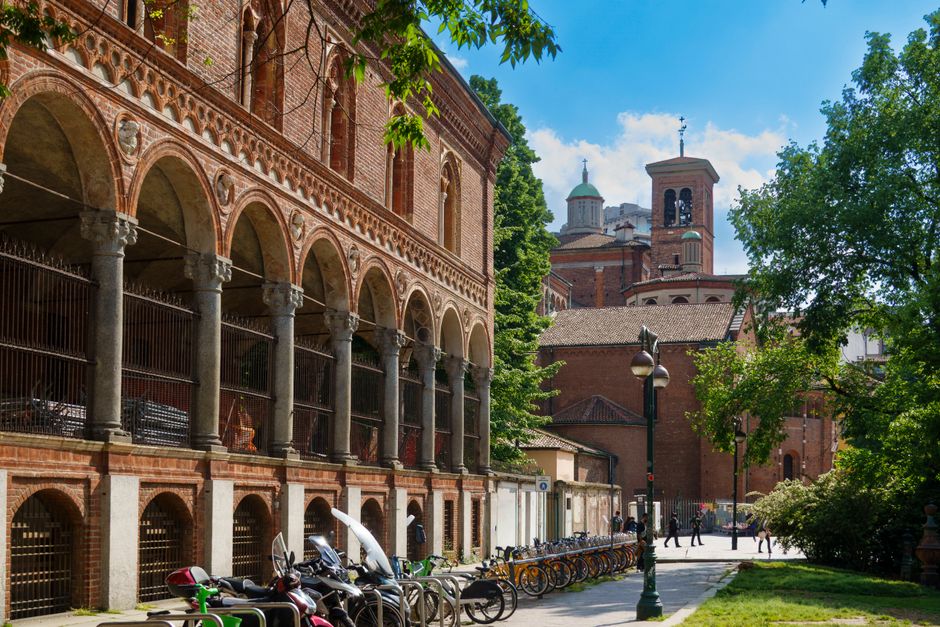
Walk through Sempione Park on a Saturday morning and you'll spot clusters of practitioners arranged on mats, sun catching their silhouettes as the city stirs awake. Five years ago, this was a rarity in Milan. Today, it's a rhythm the city recognises.
The yoga and meditation boom isn't just happening in Milan—it's reshaping how residents approach wellness altogether. Recent studio openings across neighbourhoods like Brera, Isola, and along the Navigli waterways suggest a fundamental shift in how the city thinks about balance. Unlike the sprint culture that once defined Milanese life, these practices offer something countercultural: permission to pause.
The numbers tell part of the story. Since 2022, new dedicated yoga and meditation studios in central Milan have increased by roughly 40%, according to local wellness sector analysts. Monthly membership at established studios now ranges from €60–€120, making regular practice accessible beyond the ultra-affluent. Drop-in classes typically cost €15–€18, pricing that fits the working professional's budget.
What's driving this isn't simply imported wellness tourism. Milan's excellent public healthcare system has long emphasised preventative care, creating a population already inclined toward health consciousness. The aperitivo culture—traditionally a social ritual—now coexists with pre-aperitivo yoga sessions, particularly in neighbourhoods like Navigli, where studios have begun hosting evening classes that attract the after-work crowd.
The Sempione Park phenomenon matters because it's public and visible. Free or donation-based outdoor sessions have normalised yoga in shared spaces, making it less exclusive. Meanwhile, established practitioners are moving beyond physical postures toward the meditative components. Studios in the Duomo district and around Corso Como increasingly offer dedicated meditation and breathwork classes, suggesting practitioners are seeking deeper engagement with these traditions.
Local wellness professionals note that Milan's fast-paced corporate culture—particularly the financial and fashion sectors—is fuelling demand. Workers stressed by high-pressure environments are turning to these practices not as lifestyle accessories but as genuine stress-management tools. The Mediterranean wellness philosophy that once felt distant is now being actively integrated into daily routines.
What makes this trend distinctly Milanese is the integration with existing lifestyle patterns. Yoga doesn't replace the aperitivo or the evening passeggiata; it complements them. Morning practice at Sempione transitions naturally into the city's social rhythms rather than isolating practitioners into wellness bubbles.
As these practices deepen their roots in Milan's neighbourhoods, they're becoming less trend and more infrastructure—a permanent feature of how the city's residents are choosing to live.
This article was compiled by AI from the sources linked above and screened before publishing. See our editorial standards.