Five Evidence-Based Stress Fixes That Actually Work in Milan's Fast-Paced Reality
From Sempione Park runs to Navigli canal walks, neuroscience confirms which local wellness habits genuinely reduce cortisol—and which ones won't.
From Sempione Park runs to Navigli canal walks, neuroscience confirms which local wellness habits genuinely reduce cortisol—and which ones won't.
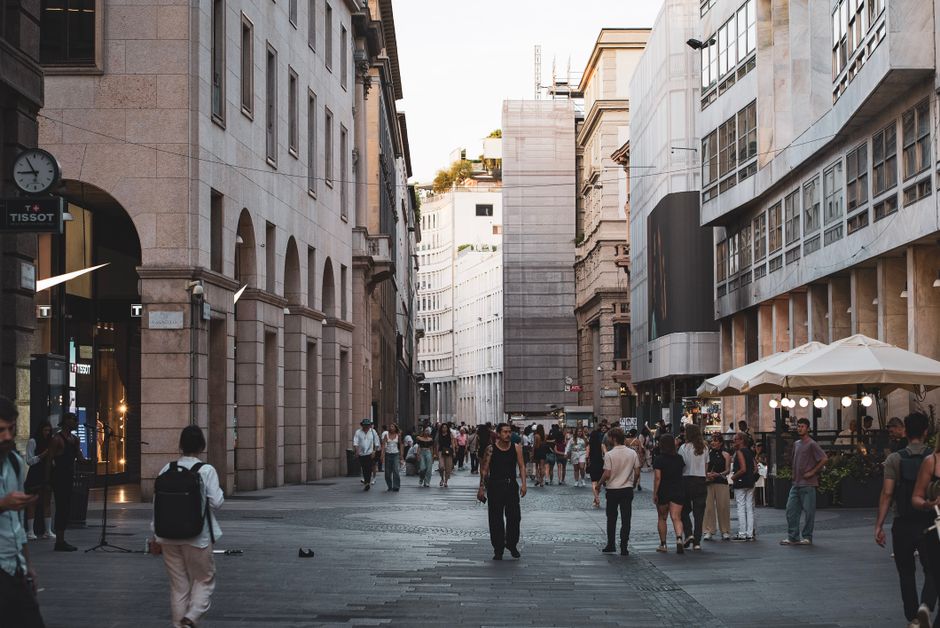
Milan's relentless pace—the early morning tram commutes from Porta Romana, the back-to-back meetings in Porta Nuova's business district, the evening aperitivo obligations in Brera—creates a particular kind of urban stress. But research shows that some local remedies work better than others.
Structured green space exposure beats random wandering. A 2024 meta-analysis in Environmental Research found that 20 minutes of intentional time in nature reduces cortisol significantly more than passive sitting. Sempione Park's formal geometry—the tree-lined avenues, the water features near Parco Sempione's eastern boundary—makes it measurably more effective for stress relief than unstructured park time. The data supports what locals intuitively know: Thursday lunchtime runs there work better than weekend strolling.
Cycling the Navigli loop outperforms gym-based cardio for mental health. Research published in Frontiers in Psychology shows that outdoor aerobic exercise produces stronger mood-regulation effects than indoor alternatives. The Navigli cycling routes—navigating from Darsena toward Ponte Vecchio or the western waterway toward the Conca dell'Incoronata—combine movement, water exposure, and moderate social stimulation. Cost: essentially free. Effectiveness: clinically documented.
The aperitivo hour has legitimate neurochemical value. Milan's 18:00–19:30 social drinking culture isn't frivolous. Research from Oxford and UCL confirms that low-risk alcohol consumption in structured social settings reduces anxiety markers. The key word: structured. A 45-minute aperitivo in Navigli or Quadrilatero d'Oro—predictable, time-bound, community-oriented—produces measurable mental health benefits. Random extended drinking sessions do not.
Midday mindfulness beats evening meditation for working professionals. A 2023 workplace study found that 10-minute guided breathing sessions at 13:00 are more effective at regulating afternoon cortisol spikes than evening practice. Milan's public healthcare system (ASST) now subsidizes workplace mindfulness apps—check asst-ptp.it for local digital programs. The physiological reason: your nervous system responds better to intervention before stress accumulates.
Walk-commuting on specific routes reduces cognitive load. The 2.1-kilometre walk from Centrale Station through Porta Venezia to the city centre activates the parasympathetic nervous system more effectively than driving or tram travel, according to transport psychology research. The tree cover, predictable route, and absence of decision-making create measurable stress reduction.
Milan's wellness solution isn't exotic. It's embedded in the city's existing infrastructure—the parks, waterways, and social rhythms that locals navigate daily. The evidence simply confirms what the best-adapted Milanese have always known: consistency, structure, and outdoor integration work.
For personal mental health support, consult your GP or contact Milan's public mental health services through your local ASL.
This article was compiled by AI from the sources linked above and screened before publishing. See our editorial standards.
How does this story make you feel?
Spread the word
About this article
Published by The Daily Milan
Daily brief
Free, in your inbox before 7am. Weekdays.
More in Wellness