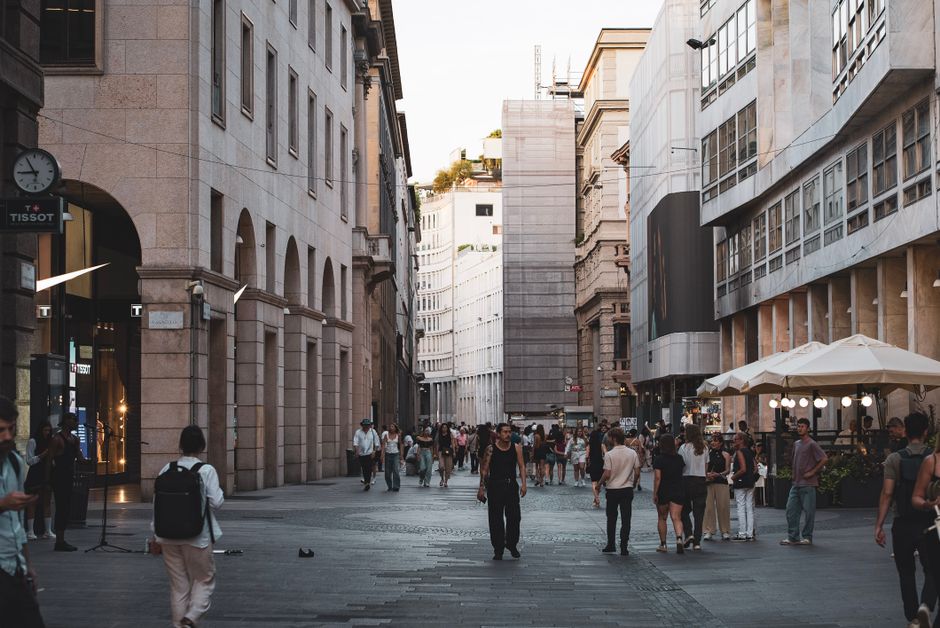
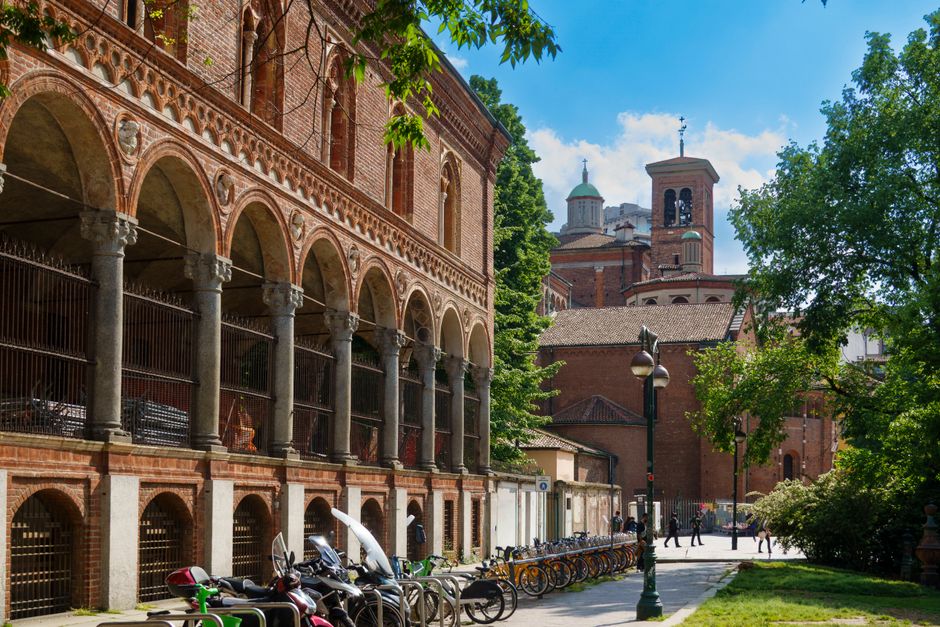
Milan's aperitivo culture and Mediterranean lifestyle might suggest a city devoted to la dolce vita, but beneath the cappuccino bars lies a thriving public wellness infrastructure. The city's network of council-run sports facilities—managed by Milaneum, the municipal authority—offers subsidised group exercise classes that rival any private gym membership, often at a fraction of the cost.
Start with the Piscina Cozzi, the historic municipal pool near Porta Garibaldi. Beyond lap swimming, it hosts aqua aerobics and water resistance classes three times weekly. Entry costs roughly €8–12 per session, or €45 monthly. The Piscina Scarioni in the southern suburbs mirrors this offering, with added gentle movement classes designed for over-60s—particularly valuable given Milan's ageing demographic and the recent trend of diagnostic clarity in later life.
For landlubbers, the Palestra Ortica in the Ortica neighbourhood runs circuit training and functional fitness sessions targeting joint protection. Recent wellness research emphasises that smaller doses of exercise throughout the week yield significant benefits; these classes, typically 45–60 minutes, fit perfectly into busy Milanese schedules. Monthly memberships start at €50.
Sempione Park itself hosts outdoor group runs most weekends, organised by Milaneum in partnership with local running clubs. These are free and cater to all paces—ideal for those building a fitness habit without financial barrier. The Navigli cycling groups, though community-led rather than council-sponsored, often meet near the Conca dell'Incoronata.
Yoga and pilates classes cluster around San Babila and the Lambro Park leisure facility, with prices typically €7–10 per drop-in session. Council discounts apply for residents over 60, students, and low-income cardholders—a genuine commitment to accessible wellness.
To register, visit Milaneum's website or visit any municipal facility directly. Most require proof of residence and a basic health declaration. Classes often operate in Italian, though many instructors accommodate English speakers.
What makes these spaces genuinely Milan is their social dimension. Unlike isolated home workouts, council classes foster neighbourhood connection—you'll likely see the same faces weekly, building accountability and community bonds that extend to post-class aperitivos at nearby bars.
Milan's public wellness offer remains underutilised by newcomers and expats, yet represents excellent value and genuine accessibility. For those navigating health transitions or simply seeking affordable, social exercise, council-run facilities deserve a prominent place in your wellness routine.
This article was compiled by AI from the sources linked above and screened before publishing. See our editorial standards.