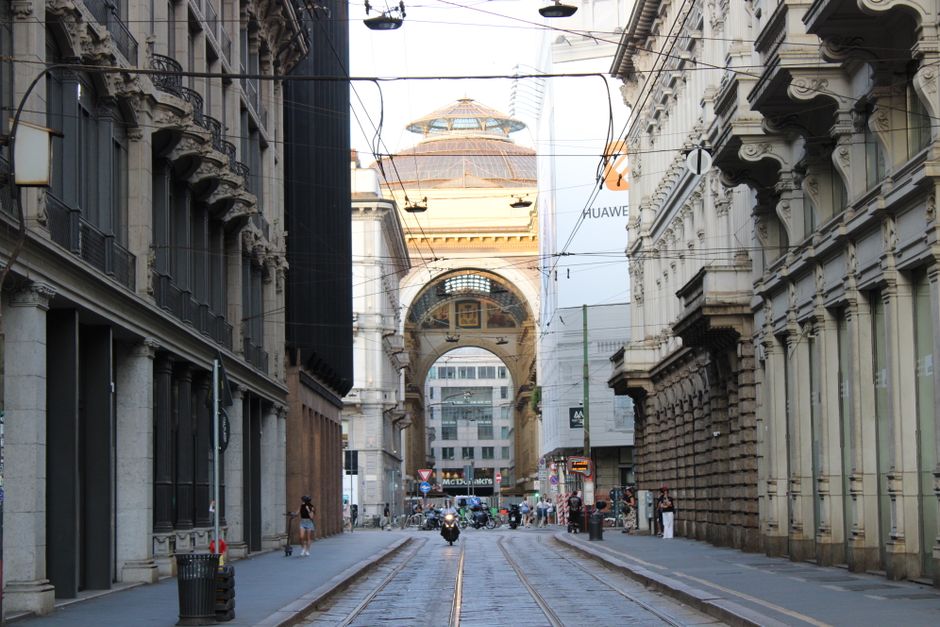
Walk along Via Torino on any weekday morning and you'll notice something new: juice bars and grain bowls standing shoulder-to-shoulder with the espresso bars that have defined Milan's breakfast culture for generations. The city's approach to nutrition is undergoing a subtle but significant transformation, one that honours its gastronomic heritage while embracing contemporary wellness priorities.
Milan's shift reflects broader European trends, but it's taking distinctly local form. Recent data from the Chamber of Commerce suggests that health-focused food establishments in central Milan increased by 34% between 2023 and 2026, with the highest concentration in Brera, Navigli, and around Porta Romana. These aren't replacing traditional trattorie—they're complementing them, carving out space for those seeking balanced nutrition without abandoning the city's celebrated food culture.
The Mediterranean diet, long recognised by nutritionists as one of the world's healthiest eating patterns, has become Milan's wellness cornerstone. Local markets like those at Viale Papiniano and Sant'Ambrogio are experiencing renewed foot traffic from younger professionals seeking seasonal vegetables, whole grains, and quality olive oils. A kilogram of organic tomatoes now costs roughly €3.50-4.50 at farmers' markets, compared to €2-3 five years ago—a premium many Milanese are increasingly willing to pay.
What's particularly striking is how this trend integrates with Milan's established social rhythms. The aperitivo culture—historically built on wine, Campari, and processed snacks—is evolving. Many neighbourhood spots around Corso Como and the Navigli now offer vegetable-forward spreads alongside cured meats, with protein-rich legume-based options gaining prominence. It's not about elimination; it's about intelligent addition.
Wellness professionals and nutritionists based in Milan emphasise that this shift reflects changing priorities among the city's workforce. Extended hours at Linate and Malpensa airports, demanding roles in fashion and finance, and Milan's notoriously stressful pace have made people more conscious of how food affects energy, focus, and mental clarity. Employers in the business districts increasingly offer workplace wellness programmes featuring nutritional guidance.
The trend extends beyond eating: cycling commutes along the Navigli and running routes through Sempione Park now attract those explicitly connecting movement with mindful eating. Local health organisations report increased engagement with nutrition workshops, particularly among the 25-45 demographic.
This isn't a rejection of Milan's culinary identity. Rather, it's an evolution—one where quality, seasonality, and nutritional awareness coexist with tradition. For a city built on excellence and constant refinement, applying those same standards to what we eat feels entirely natural.
This article was compiled by AI from the sources linked above and screened before publishing. See our editorial standards.