The Preventive Edge: Daily Habits That Keep Milan's Health-Conscious Moving Forward
From morning Navigli walks to annual screening routines, Milanese residents have built a practical approach to preventive medicine that works.
From morning Navigli walks to annual screening routines, Milanese residents have built a practical approach to preventive medicine that works.
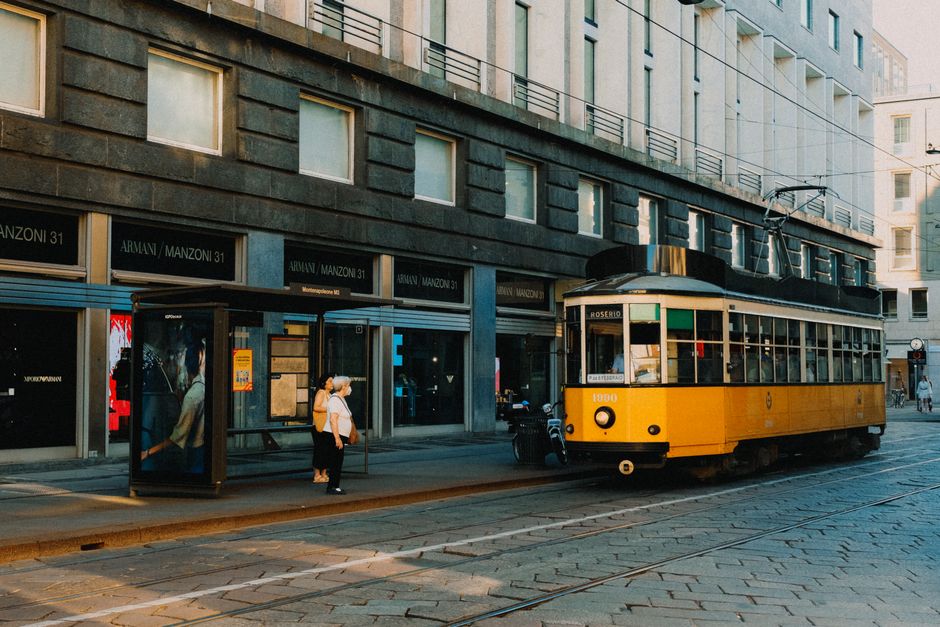
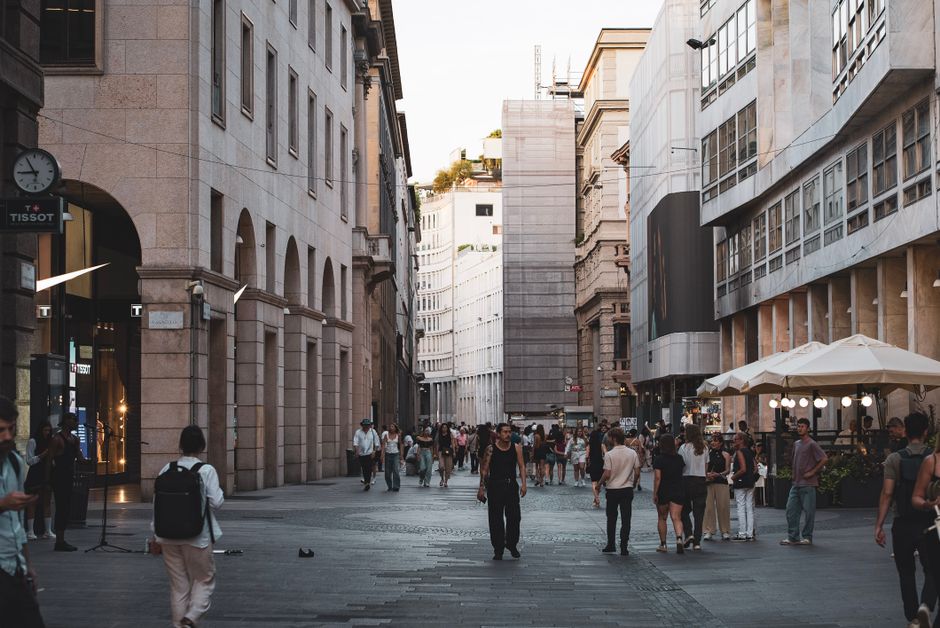
In the neighbourhoods around Brera and Navigli, a quiet shift has taken place. Rather than waiting for symptoms, Milan's wellness-minded residents have adopted a straightforward philosophy: small, consistent habits paired with smart screening choices make measurable differences in long-term health.
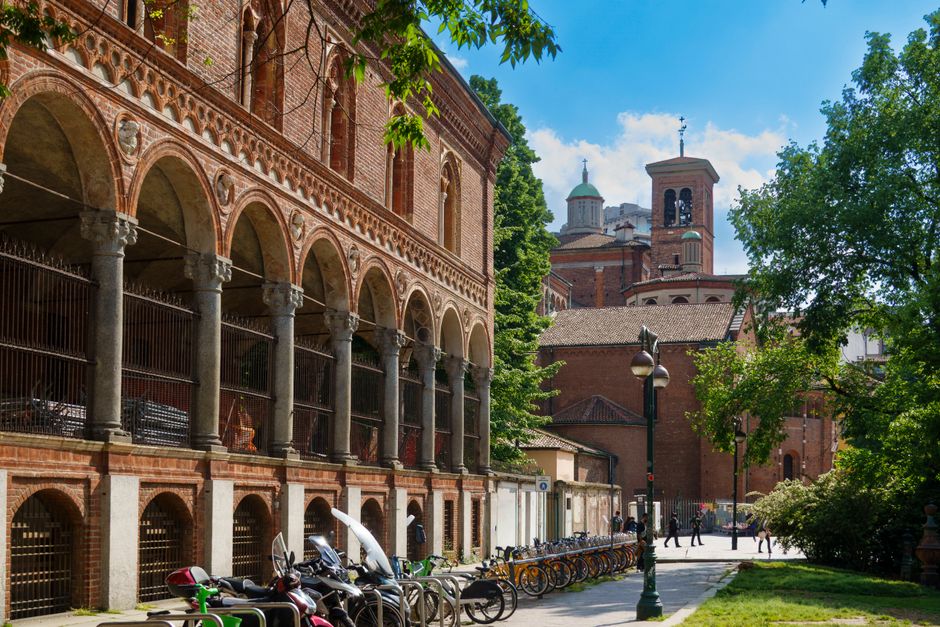
The pattern is visible in morning routines. Regular cycling along the Navigli canals—a 20-minute commute many locals now prioritize—isn't just transportation. Cardiologists at Milan's major teaching hospitals note that consistent moderate aerobic activity is one of the most reliable preventive measures against cardiovascular disease. The Politecnico area sees notable foot traffic at 7 a.m., with professionals building movement into their day before work begins.
Preventive screening adoption has also strengthened. Lombardy's public healthcare system (Servizio Sanitario Nazionale) offers subsidized screening programs for colorectal cancer, breast cancer, and cervical health starting at age 45–50, depending on risk factors. Local pharmacies in Corso Magenta and around Cadorna now provide free blood pressure checks monthly, a habit older residents particularly value. The cost barrier is minimal—most screenings through the SSN are either free or under €50 for private supplementary options.
Diet patterns echo Mediterranean principles without fuss. The prevalence of aperitivo culture in Milano means many gather socially, but the shift toward quality over quantity is notable. Local markets like Viale Papiniano remain central to weekly shopping; residents increasingly view fresh vegetables and olive oil not as treats but as preventive investments. Nutritionists observe that Milanese tend to view seasonal eating as both economical and health-protective.
Perhaps most significantly, annual check-ups have become normalized rather than reactive. Speaking with general practitioners (medici di base) in neighbourhoods like Lambrate and Porta Romana reveals that patients now schedule preventive visits without waiting for illness. A basic annual physical with bloodwork costs €80–120 privately, while SSN-covered visits remain free to registered residents.
The cumulative effect is subtle but measurable. When movement becomes part of commuting, when screening feels routine rather than alarming, and when preventive thinking shapes daily food choices, the burden on emergency care and late-stage interventions decreases. For Milan's residents, prevention isn't a wellness trend—it's become practical infrastructure for living well.
Always consult your local medico di base or specialist for personalized health guidance.
This article was compiled by AI from the sources linked above and screened before publishing. See our editorial standards.
How does this story make you feel?
Spread the word
About this article
Published by The Daily Milan
Daily brief
Free, in your inbox before 7am. Weekdays.
More in Wellness