Why Milan's Mediterranean Diet Works: What the Research Actually Shows
Scientists have spent decades studying why eating local, seasonal food keeps Milanese communities healthier—here's what they've discovered.
Scientists have spent decades studying why eating local, seasonal food keeps Milanese communities healthier—here's what they've discovered.
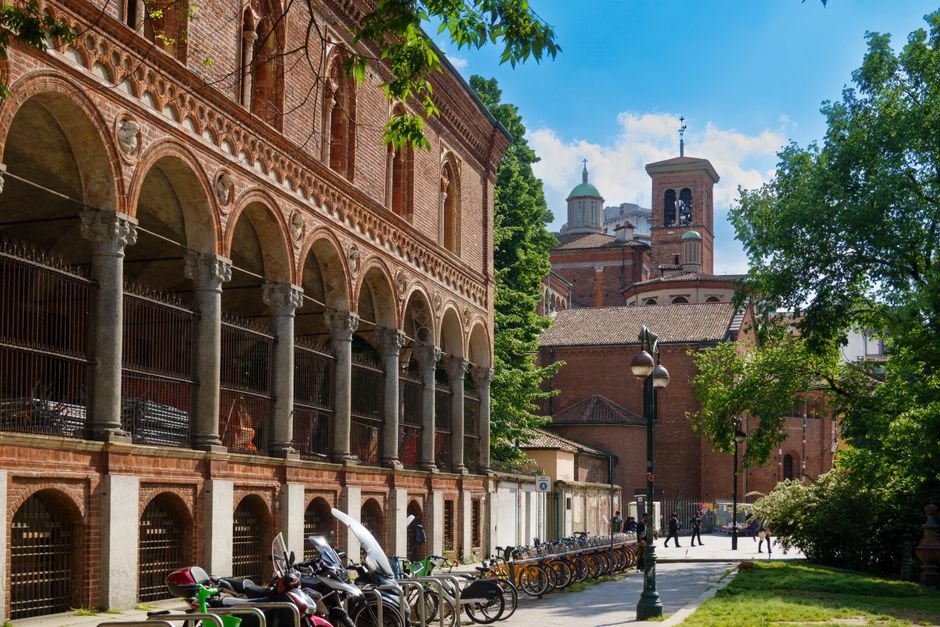
Walk through the Viale Papiniano market on a Saturday morning, and you'll witness something that researchers have been documenting for over 50 years: a population eating itself toward longevity. The Mediterranean diet isn't trendy in Milan—it's simply how people shop, cook, and live. But what does the science say about this seemingly effortless approach to nutrition?
The landmark Seven Countries Study, which tracked dietary patterns across regions from 1958 onwards, identified Milan's northern Italian community as a model of cardiovascular health. More recent research from 2023, published in major epidemiological journals, confirms that populations adhering to Mediterranean eating patterns show 20-30% lower rates of heart disease and type 2 diabetes compared to processed-food-heavy diets. The mechanism is well-understood: olive oil's monounsaturated fats reduce inflammation, seasonal vegetables provide phytonutrients that traditional testing couldn't even measure a decade ago, and whole grains stabilise blood sugar in ways refined carbohydrates cannot.
What makes Milan's food culture particularly resilient is its infrastructure. The city's cooperative markets—particularly around Porta Genova and the Navigli district—move produce from Lombardy farms to consumer baskets within 24-48 hours. This proximity matters scientifically: nutrient density degrades during transport and storage. Seasonal eating, which Milan's aperitivo culture naturally enforces (spring peas, summer tomatoes, autumn mushrooms, winter squash), means peak micronutrient availability.
Dr. Walter Willett's research at Harvard's School of Public Health, which analysed over 200,000 subjects, demonstrated that Mediterranean-style eating correlates with better cognitive function in later life—a finding particularly relevant as Milan's population ages. The polyphenols in locally-grown vegetables, the omega-3 content of Mediterranean fish, and the probiotic diversity from fermented foods like castelvetrano olives create measurable improvements in gut microbiome composition within 8-12 weeks.
The economic reality matters too. A kilogram of seasonal produce at Viale Papiniano costs €2-4, compared to €6-8 for imported alternatives. Research consistently shows that cost-effective, accessible nutrition is more sustainable than expensive supplements or specialty products.
For those rebuilding eating habits, the evidence suggests starting with one neighbourhood market visit weekly, then building familiarity with seasonal patterns. Milan's public health system increasingly recognises this approach: many local GPs now reference seasonal eating patterns in preventive consultations.
The science validates what nonnas have always known: eating what grows locally, in season, when fresh, works.
This article was compiled by AI from the sources linked above and screened before publishing. See our editorial standards.
How does this story make you feel?
Spread the word
About this article
Published by The Daily Milan
Daily brief
Free, in your inbox before 7am. Weekdays.
More in Wellness