Milan's Fitness Revolution: How Local Gyms Stack Up Against Global Wellness Trends
From boutique studios in Brera to CrossFit boxes near Porta Romana, Milan's gym culture is shifting—but not quite at the pace seen in New York or London.
From boutique studios in Brera to CrossFit boxes near Porta Romana, Milan's gym culture is shifting—but not quite at the pace seen in New York or London.
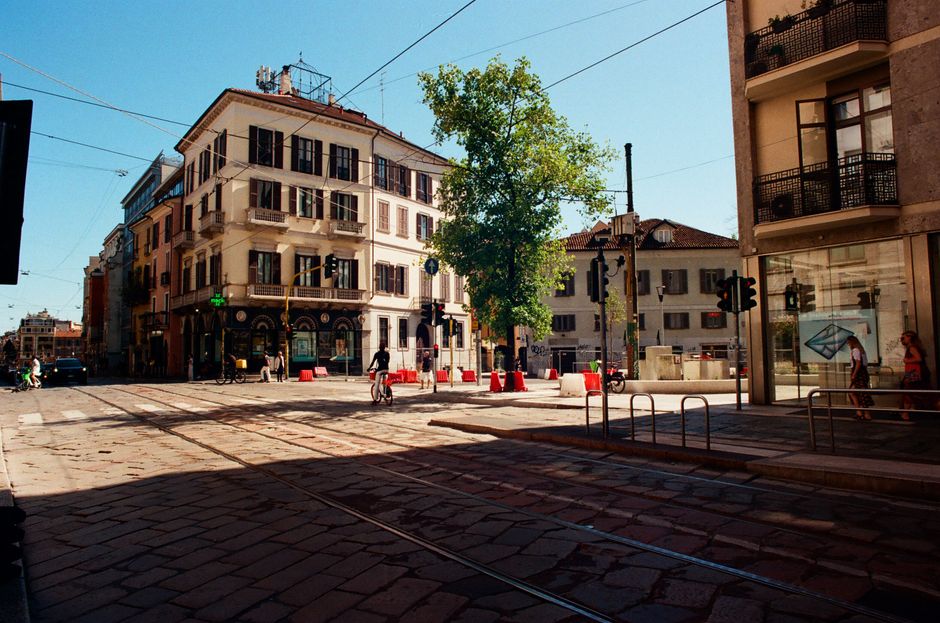
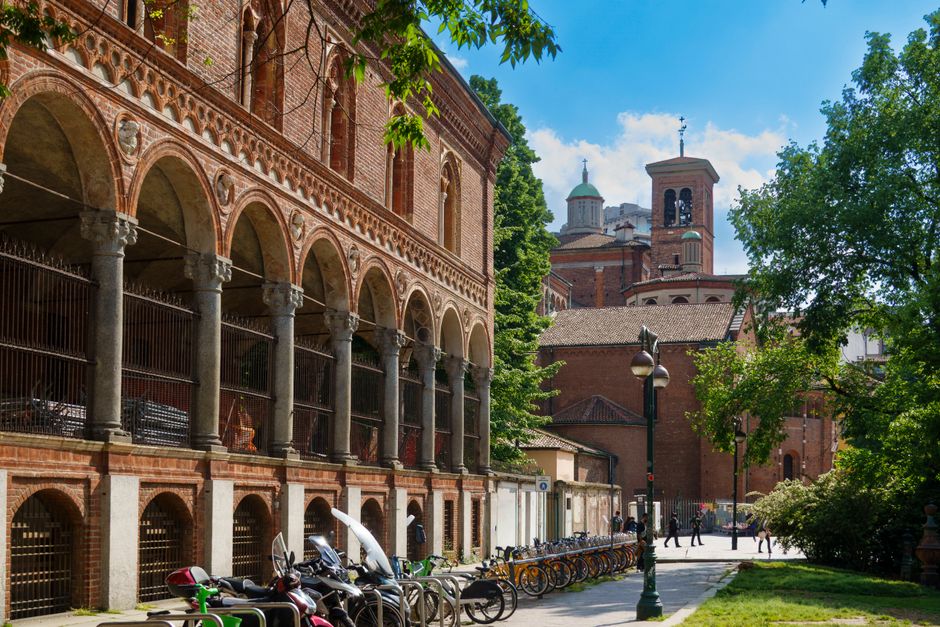
Walk past the limestone facades of Brera or cycle along the Navigli on a summer evening, and you'll spot them: sleek fitness studios wedged between vintage bookshops and craft cocktail bars. Milan's wellness infrastructure has transformed dramatically over the past five years, yet the city remains caught between its traditional aperitivo culture and the global boutique fitness boom reshaping urban Europe.
The numbers tell a cautious story. According to 2025 data from Italy's national sports federation, Milan's gym membership penetration sits at around 18 percent—respectable for Italy, but trailing London (28 percent) and Berlin (24 percent). Yet boutique fitness—the premium, experience-driven model dominating New York and Copenhagen—is accelerating here faster than traditional big-box gyms. Studios offering high-intensity interval training, barre, and functional fitness have proliferated around Porta Garibaldi and the Quadrilatero neighbourhood, capitalising on Milan's design-conscious demographic and healthy disposable income.
The price point reflects this premium positioning. A monthly membership at a central boutique studio typically costs €150–€180, compared to €40–€60 at municipal facilities like those run by Agsm (Milan's public sports authority) in Sempione Park. This two-tier market mirrors trends in Copenhagen and Amsterdam, where affluent urbanites pay significantly more for curated, Instagram-friendly experiences, while price-conscious residents rely on public infrastructure.
What distinguishes Milan from other European capitals is the persistent allure of outdoor movement. The city's 47 kilometres of dedicated cycling lanes and the Navigli's towpath culture mean running clubs and outdoor fitness remain deeply embedded in local habit—a distinctly Mediterranean approach that global fitness trends, often indoor-focused, haven't entirely displaced. Community running groups along the Sempione and Arno paths continue to thrive, even as boutique studios multiply.
The pandemic accelerated digital adoption: major chains like Technogym (headquartered just outside Milan, in Cesena) expanded their app-based offerings, and local studios invested heavily in hybrid memberships. Yet hybrid uptake remains lower in Milan than in Northern European cities—roughly 12 percent of boutique studio members use digital-only formats, compared to 22 percent in Berlin.
What's emerging is distinctly Milanese: a fragmented but sophisticated fitness ecosystem where heritage public gyms coexist with designer studios, outdoor culture persists alongside indoor trends, and the pre-dinner stroll remains as valued as the morning workout. Global wellness trends are reshaping Milan's fitness landscape, but they're colliding—productively—with local habits that no algorithm can displace.
This article was compiled by AI from the sources linked above and screened before publishing. See our editorial standards.
How does this story make you feel?
Spread the word
About this article
Published by The Daily Milan
Daily brief
Free, in your inbox before 7am. Weekdays.
More in Wellness