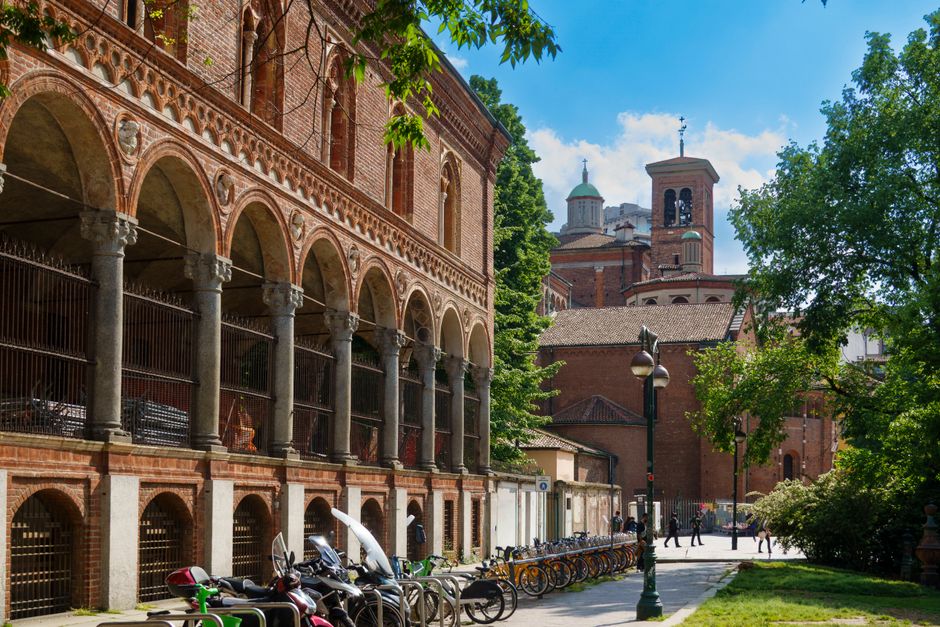
Walk through Sempione Park on any given morning, and you'll notice something that would have seemed unusual five years ago: clusters of people seated on the grass, eyes closed, moving through guided breathing exercises. What was once a niche wellness pursuit has become woven into Milan's fabric, reshaping how the city's notoriously driven population manages stress.
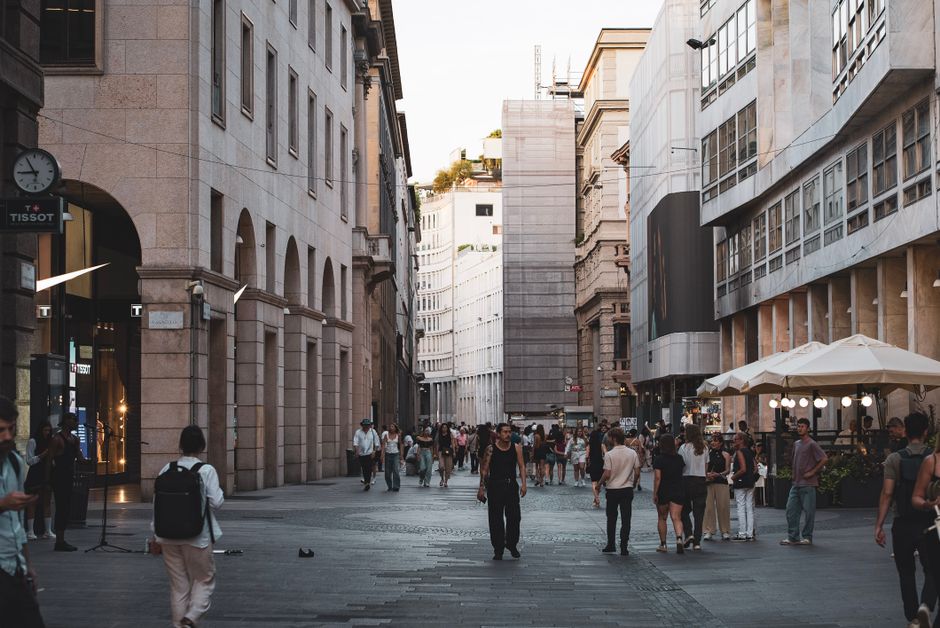
The shift is particularly visible in neighbourhoods like Brera and Navigli, where meditation studios and mindfulness centres have multiplied. Centres offering everything from traditional Vipassana retreats to corporate stress-reduction workshops now operate across the city, with membership rates suggesting serious uptake among Milan's working professionals. The Lombardy Regional Health Service has also begun integrating mindfulness-based stress reduction into public health offerings, recognising what wellness practitioners have long understood: preventative mental health matters.
Dr. Marco Rossi, director of wellness initiatives at a major Milanese hospital, notes that interest in evidence-based mindfulness practices has grown substantially among both patients and healthcare providers. The appeal is clear—Milan's fast-paced financial sector, concentrated around Porta Nuova and the business district, generates considerable occupational stress. Commuting on the Navigli cycle routes or running through Sempione Park remains therapeutic, but many professionals now layer in formal mindfulness practice.
What makes Milan's adoption distinctive is how it fits—or tensions with—local culture. The aperitivo tradition, deeply embedded in Milanese social life, emphasises presence and connection. Yet the city's relentless work culture often undercuts that philosophy. Mindfulness practitioners argue the two can coexist: intentional social time replaces rushed networking.
Classes typically cost €12–18 per session, or €60–80 monthly for studio memberships, making them accessible beyond Milan's elite. Apps and online offerings have further democratised access, though teachers and therapists emphasise that in-person practice, particularly in community settings, builds sustainable habits.
The trend isn't without sceptics who view mindfulness as corporate distraction from systemic workplace issues. Yet mental health professionals consistently report that even modest regular practice—ten minutes daily—measurably reduces anxiety and improves sleep quality. For a city that never quite stops moving, that evidence resonates.
If you're considering mindfulness practice, consult your doctor or a qualified instructor to find an approach suited to your needs.
This article was compiled by AI from the sources linked above and screened before publishing. See our editorial standards.