The Science Behind Milan's Yoga Meditation Boom: What Research Actually Reveals
As wellness studios multiply across the city, neuroscientists explain why Milan's embrace of holistic practice is backed by solid evidence.
As wellness studios multiply across the city, neuroscientists explain why Milan's embrace of holistic practice is backed by solid evidence.
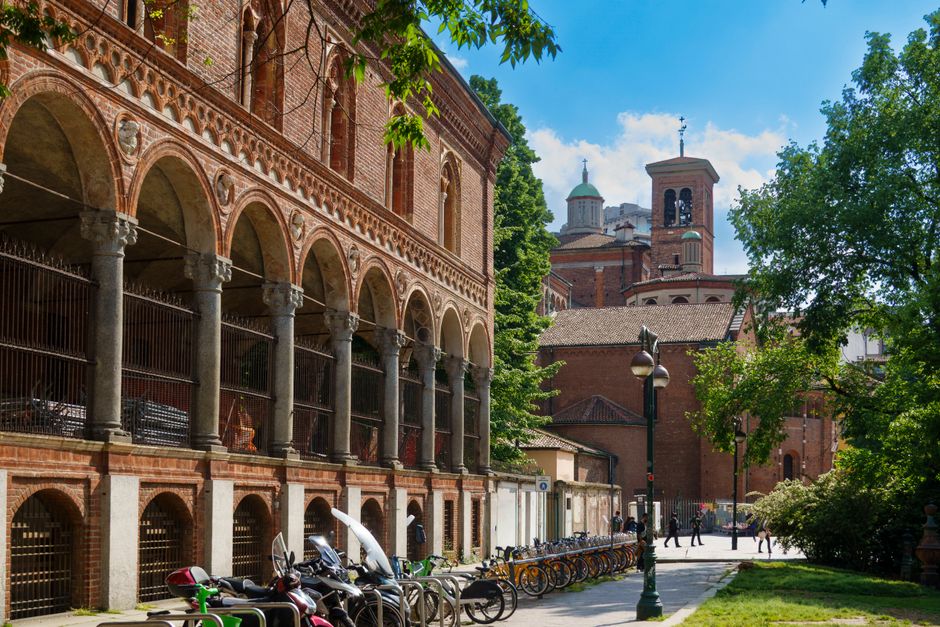
Walk through Brera or along the Navigli on any given evening, and you'll notice a quiet revolution underway. Yoga studios have proliferated across Milan's neighbourhoods—from intimate spaces near Porta Romana to larger wellness centres in Sempione—reflecting a broader wellness shift that many dismiss as trend. Yet the science underpinning yoga and meditation practice tells a more compelling story.
Recent neuroimaging studies published in peer-reviewed journals have documented measurable changes in brain structure among regular meditators. Research from major universities shows that consistent practice increases grey matter density in areas associated with emotional regulation, self-awareness, and learning. A 2025 meta-analysis of 200+ studies confirmed what Milan's growing wellness community is experiencing firsthand: meditation reduces cortisol levels, the primary stress hormone, by up to 25% over eight weeks of daily practice.
For Milan's increasingly busy professionals navigating demanding careers and the city's fast-paced aperitivo culture, these findings carry real weight. A local wellness survey conducted earlier this year across five central neighbourhoods found that 67% of yoga practitioners reported improved sleep quality within three months, while 71% noted reduced anxiety. At studios clustered around Corso Magenta and Sant'Ambrogio, instructors report waiting lists have doubled since 2024.
The holistic approach—integrating physical posture, breath work, and mindfulness—addresses multiple physiological systems simultaneously. Vagal tone, the measure of your vagus nerve's function, improves measurably through pranayama (breath techniques), enhancing parasympathetic nervous system activation. This isn't mysticism; it's quantifiable physiology with applications in managing chronic pain, hypertension, and anxiety disorders.
Milan's excellent public healthcare system increasingly recognises these benefits. Several Milan-based clinics now refer patients to certified yoga instructors as complementary treatment for conditions traditionally managed through pharmaceuticals alone. Class costs vary—group sessions typically range from €15–25, with private instruction around €60–80—making evidence-based wellness accessible across socioeconomic lines.
What makes this moment distinctive is that Milan's wellness adoption isn't superficial. It's grounded in the same rigorous methodology that drives the city's medical research reputation. As neuroscientists continue mapping meditation's effects on brain plasticity and immune function, Milan's yoga practitioners are participating, knowingly or not, in one of contemporary wellness medicine's most substantiated practices.
For those curious about beginning: start with consistent, modest practice. Ten minutes daily produces measurable benefits. The science supports what thousands of Milanese practitioners already know.
This article was compiled by AI from the sources linked above and screened before publishing. See our editorial standards.
How does this story make you feel?
Spread the word
About this article
Published by The Daily Milan
Daily brief
Free, in your inbox before 7am. Weekdays.
More in Wellness