Five Daily Eating Habits That Keep Milan's Wellness-Conscious Moving
From market-to-table routines at Viale Papiniano to strategic aperitivo timing, locals share the small, sustainable practices that actually stick.
From market-to-table routines at Viale Papiniano to strategic aperitivo timing, locals share the small, sustainable practices that actually stick.
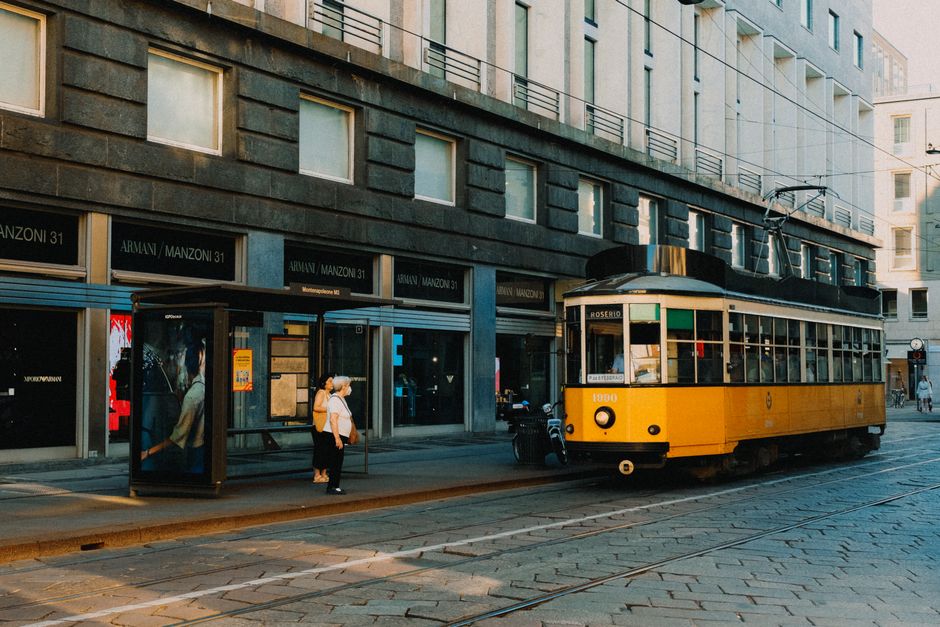
Milan's relationship with food has quietly shifted. While the city remains famous for its aperitivo culture and butter-rich risotto alla milanese, a growing number of residents have woven practical nutrition habits into daily life without abandoning the social rituals that define the city.
The pattern emerges most clearly at Viale Papiniano, where the historic Saturday and Wednesday markets draw thousands seeking seasonal produce. Regular shoppers—many working professionals—have developed a simple habit: they shop twice weekly for vegetables that align with what's actually in season, rather than buying for an imagined week of perfect meals. This approach, adopted by local nutritionists and confirmed by market vendors, reduces both waste and the psychological burden of meal planning. A 2024 survey by the Lombardy Regional Health Authority found that residents who shop seasonally report higher vegetable intake by 23 percent compared to those following fixed shopping lists.
The second habit centres on the aperitivo itself. Rather than treating pre-dinner drinks as separate from nutrition, successful locals strategically time them. They arrive at bars around Navigli between 6 and 7 p.m.—earlier than the traditional 8 p.m. crowd—when hunger is genuine and portion control more natural. Many pair a spritz or Negroni with olives, cheese, or vegetables rather than processed snacks. This timing shift, supported by staff at long-standing venues like those along Via Corsico, prevents the late-night eating that undermines daily nutrition goals.
A third practice involves embracing the walk-to-work meal. Commuters cycling or running through Sempione Park in the early hours increasingly prepare overnight oats or yogurt-based breakfasts at home—not from wellness trends alone, but because the Navigli and park routes require real energy. This self-reinforcing habit builds naturally when routine physical activity meets practical nutrition.
Fourth is the pasta-portion recalibration. Rather than eliminating pasta, locals who've sustained healthy eating habits typically serve 70-80 grams of dried pasta (a standard Italian portion) alongside substantial vegetables and legumes, effectively lowering overall calorie density while maintaining cultural food identity.
Finally, hydration at neighbourhood fountains has resurged. Milan's excellent public water system and restored fountain infrastructure mean many residents carry bottles, refilling at spots throughout the city centre. This simple habit reduces sugary beverage consumption significantly.
These aren't revolutionary changes. They're the habits that actually work because they fit Milan's existing rhythms—the markets, the parks, the social structures—rather than fighting against them. That's why they last.
This article was compiled by AI from the sources linked above and screened before publishing. See our editorial standards.
How does this story make you feel?
Spread the word
About this article
Published by The Daily Milan
Daily brief
Free, in your inbox before 7am. Weekdays.
More in Wellness