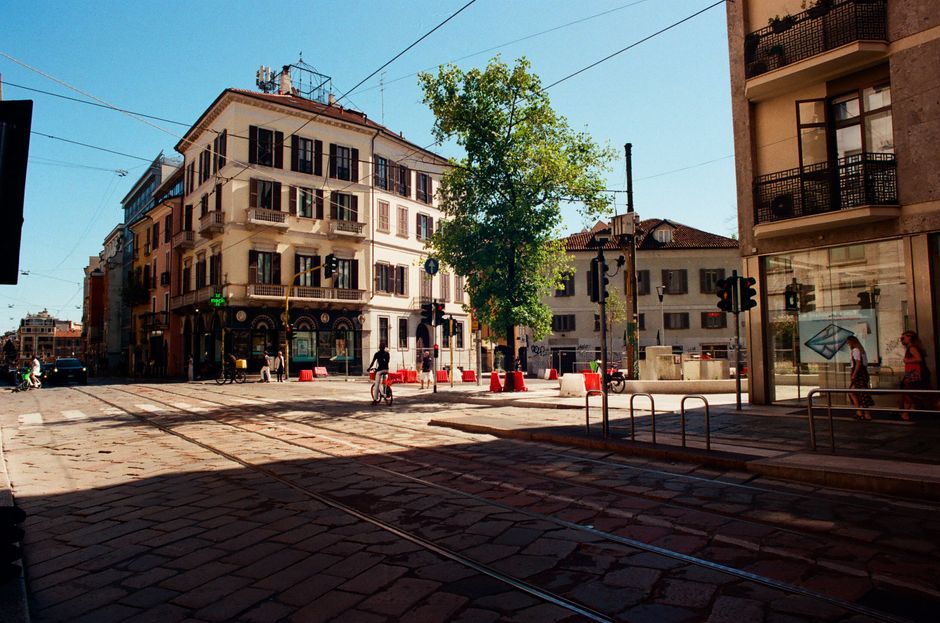
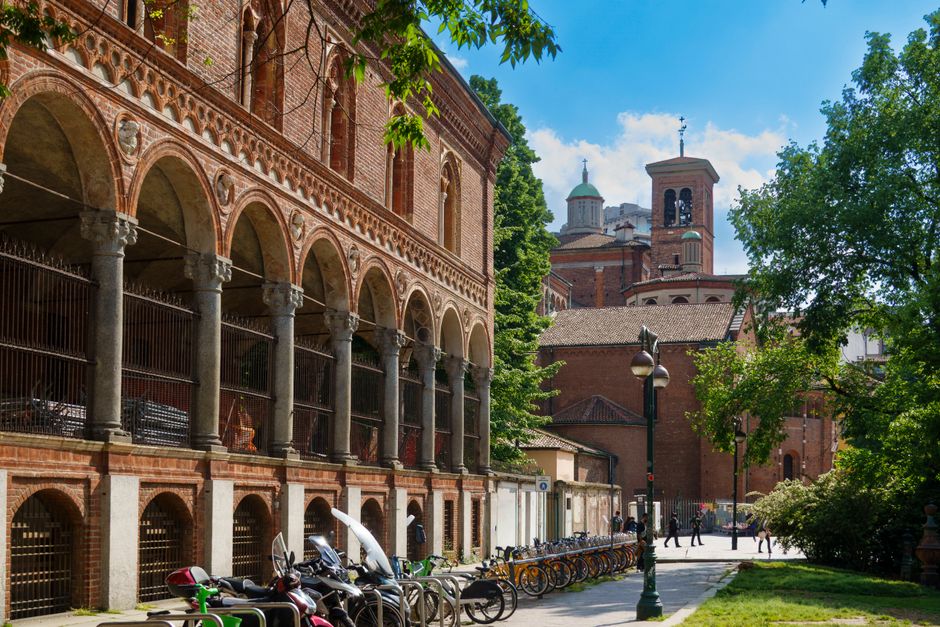
Walk through the Vercelli neighbourhood on a Saturday morning, and you'll witness something that international wellness influencers spend thousands trying to recreate: an entire community organised around fresh, seasonal eating. The markets along Via Torino and Via Dante pulse with locals selecting produce at its peak ripeness—not because a TikTok algorithm told them to, but because this is simply how Milan has always eaten.
Yet Milan's relationship with global nutrition trends reveals an interesting contradiction. According to recent Coldiretti data, 67% of Italians now actively seek locally-sourced food, a figure driven largely by northern Italian cities. Meanwhile, Milan's wellness centres in Zona Tortona and Brera increasingly stock imported superfoods—goji berries, matcha powder, activated charcoal—commanding premium prices at Eataly and smaller health shops across the city. A kilogram of local Lombardy apples costs €2–3 at Mercato Viale Papiniano; imported acai berries run €18–22 per 200g package.
The tension is instructive. Global wellness trends emphasise restriction and exoticism: intermittent fasting, elimination diets, rare botanical ingredients. Milan's Mediterranean-influenced local approach—emphasised in community wellness initiatives run through ASL (the regional health authority)—centres abundance and seasonality. Risotto made with Carnaroli rice from Pavia, paired with locally-foraged mushrooms and butter from Lombardy dairies, offers the anti-inflammatory benefits that Western nutritionists now prescribe, without the premium pricing or shipping emissions.
The uptake is mixed. Younger Milanese professionals, particularly those working in the tech hubs around Garibaldi station, gravitate toward meal-prep apps and protein powder subscriptions. Meanwhile, families across Niguarda and Affori maintain traditional shopping patterns—daily visits to neighbourhood grocers, relationships with vendors, and weekly pasta-making as both nutrition and ritual.
What's emerging is a middle path. Cooperative markets in Isola and Navigli districts now blend traditional availability with modern transparency—QR codes linking to farm data, though the produce itself remains unchanged. The city's public health campaigns increasingly frame local eating not as nostalgia, but as evidence-based nutrition: lower pesticide exposure, higher micronutrient density, reduced carbon footprint.
For Milanesi navigating wellness advice, the message is reassuring. The global obsession with rare, expensive superfoods often overlooks what's already on your doorstep. A seasonal diet built around Lombardy's produce—its cheeses, grains, vegetables, and modest proteins—aligns with every major nutritional framework, costs a fraction of imported alternatives, and tastes unmistakably like home.
This article was compiled by AI from the sources linked above and screened before publishing. See our editorial standards.