The Habits That Work: How Milan's Health-Conscious Residents Stay Ahead of Disease
From early morning runs in Sempione Park to strategic health screenings, locals reveal the daily rituals keeping preventive medicine practical.
From early morning runs in Sempione Park to strategic health screenings, locals reveal the daily rituals keeping preventive medicine practical.
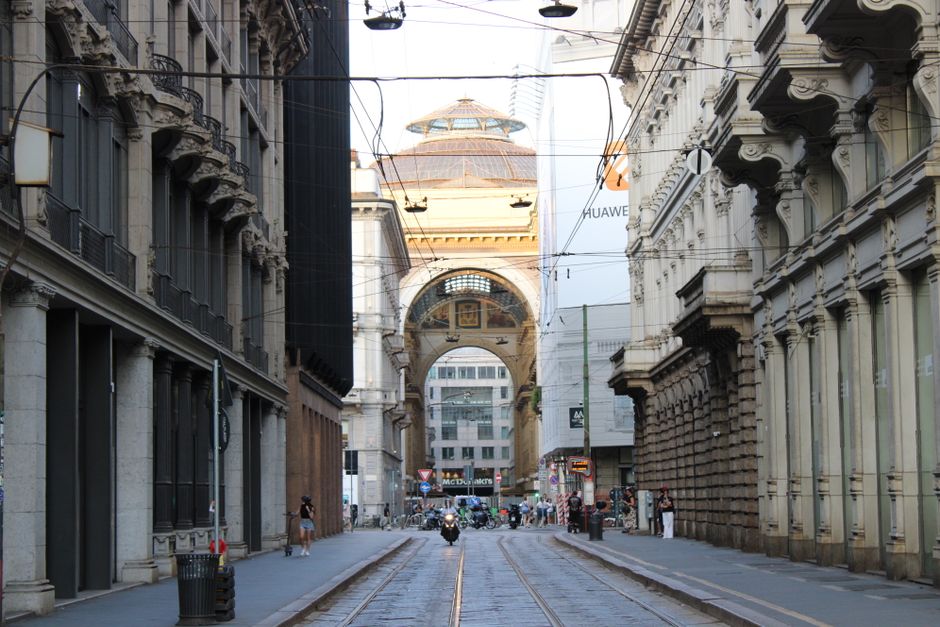
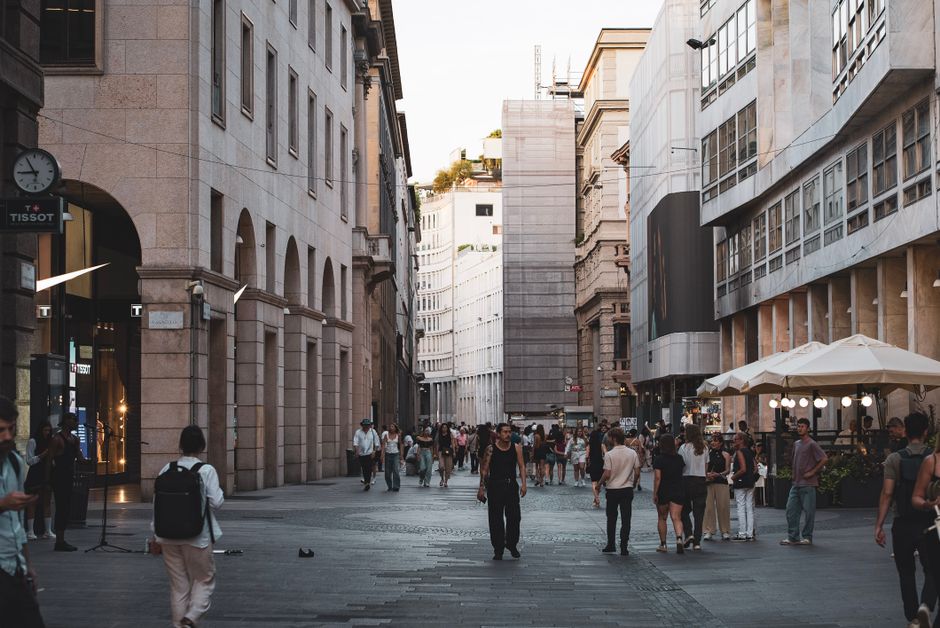
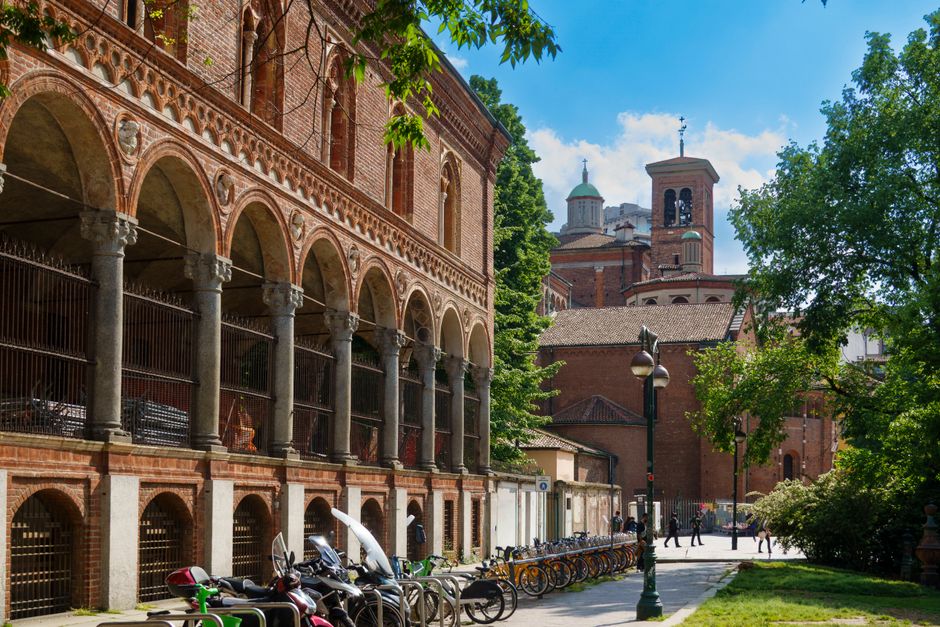
Walk through Sempione Park on any morning and you'll witness Milan's quiet revolution in preventive health. The joggers, cyclists, and tai chi practitioners aren't just exercising—they're embodying a philosophy that increasingly defines the city's wellness culture: catch problems before they start.
"Prevention isn't glamorous, but it's remarkably efficient," says Dr. Andrea Rossi, head of preventive medicine at the Policlinico di Milano. The concept has taken root across the city's neighbourhoods, from the Navigli cyclists who log consistent weekly mileage to office workers in Porta Nuova who've made lunchtime walks non-negotiable.
The numbers support this shift. According to Lombardy's regional health authority, residents who engage in consistent moderate activity—30 minutes daily—reduce cardiovascular disease risk by up to 35 percent. Milan's accessible infrastructure makes this achievable: Sempione Park's 86 hectares offer free, year-round access; the Navigli's 200-kilometre cycling network connects neighbourhoods effortlessly.
But habit formation extends beyond movement. Residents have adopted strategic screening routines aligned with Italy's National Health Service (SSN) guidelines. Women over 50 access mammography screening programmes; men pursue colorectal screening after 50. These services, largely subsidised through the SSN, cost €25–€80 for additional private checks—a modest investment against late-stage diagnosis.
The social dimension matters too. Milan's aperitivo culture, often critiqued, has evolved into a moderating force. Regular social gathering at venues across Brera or Isola encourages consistent, measured alcohol consumption rather than isolated excess. The Mediterranean diet—emphasised in local markets like Viale Papiniano—naturally incorporates the vegetables, legumes, and olive oil proven to support long-term health.
Perhaps most telling is how Milanese professionals have integrated prevention into routine life rather than treating it as separate. Regular dental check-ups (every six months), annual blood work, and blood pressure monitoring aren't viewed as anxiety-driven; they're practical hygiene, like brushing teeth.
"The shift is cultural," observes Dr. Rossi. "Prevention requires consistency, not intensity. Milanese understand this."
For those starting this journey, the pattern is straightforward: establish baseline screenings through your SSN doctor, schedule annual reviews, move daily—preferably outdoors—and integrate Mediterranean eating patterns. These habits, adopted quietly by thousands across Milan, offer protection far more powerful than any single intervention.
This article was compiled by AI from the sources linked above and screened before publishing. See our editorial standards.
How does this story make you feel?
Spread the word
About this article
Published by The Daily Milan
Daily brief
Free, in your inbox before 7am. Weekdays.
More in Wellness