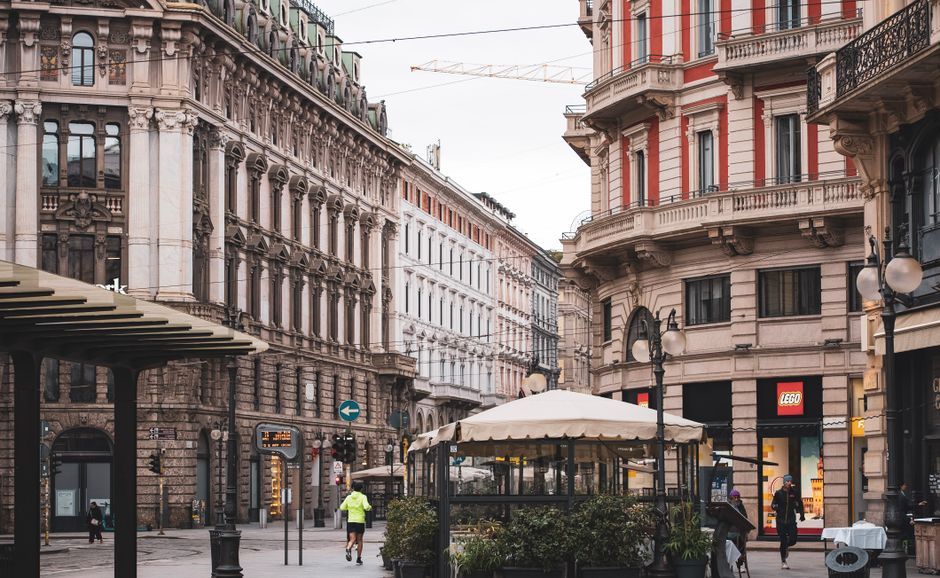
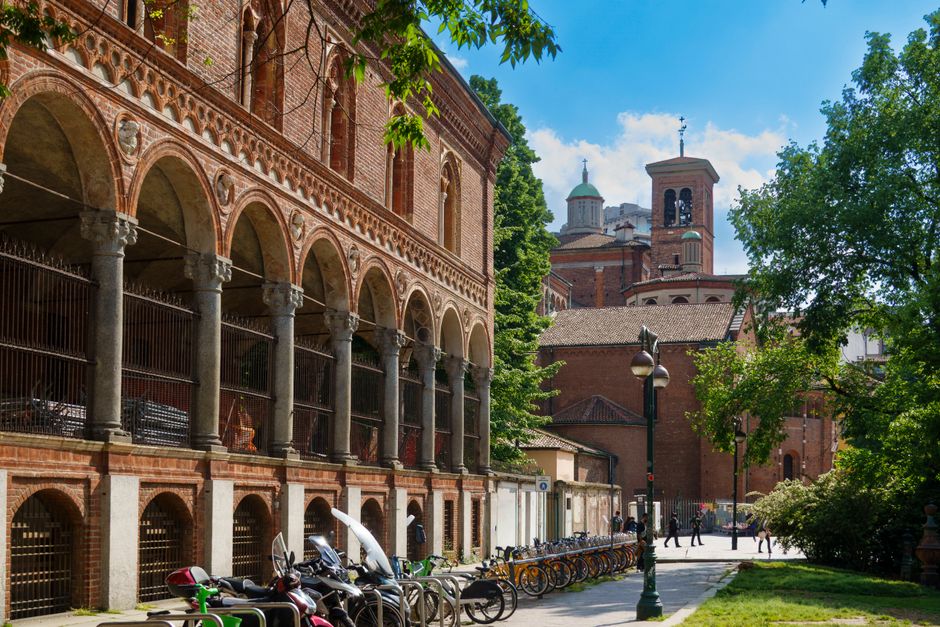
On any given morning along the Navigli, you'll spot clusters of grey-haired cyclists weaving past the vintage bookshops and artisan cafés. In Sempione Park, impromptu tai chi groups gather near the Arco della Pace. These aren't organised activities—they're the organic backbone of Milan's approach to senior wellness, and they're quietly outpacing global trends that prioritise expensive gyms and medicalised interventions.
The contrast is striking. Internationally, the active ageing market has exploded into a €47 billion industry, dominated by boutique fitness studios, wearable technology, and personalised coaching apps. Silicon Valley sells mobility as a product. Milan, meanwhile, has built something different: a deeply embedded culture where movement is simply part of daily life, subsidised by public healthcare and woven into neighbourhood infrastructure.
The numbers tell a compelling story. Milan's over-60 population represents 28% of the city—higher than Italy's national average of 24%—yet local uptake of senior-targeted fitness programmes remains modest. Only 12% of Milanese pensioners use dedicated gyms, according to 2025 municipal health data. Instead, 43% engage in regular walking or cycling, often as commuting rather than exercise. The distinction matters: it suggests sustainable, integrated movement rather than segregated 'wellness' activity.
Consider accessibility. A year-long membership at a central Milan fitness centre costs €600–€900. By contrast, a Navigli cycling permit runs €50 annually. Public swimming pools in the Zona 3 and 4 neighbourhoods charge just €5 per session. The Fondazione Pini, Milan's orthopaedic research centre, offers free mobility clinics quarterly. The Azienda Socio Sanitaria Territoriale Nord-Ovest integrates physiotherapy into primary care—no private insurance required.
Global wellness influencers tout 'micro-mobility' as revolutionary. In Milan, it's been default practice for decades. The city's flat terrain, pedestrian-friendly streets around Brera and Sant'Ambrogio, and extensive tram network mean older adults naturally accumulate low-impact movement throughout the day. Cardiologists here rarely prescribe structured exercise; they simply encourage their patients to use the city itself.
That said, Milan isn't immune to change. Post-pandemic, digital fitness adoption among over-60s jumped from 8% to 19%, suggesting local trends are shifting toward hybrid models. The Politecnico recently launched a senior-focused app tracking neighbourhood walking routes—blending tradition with technology.
The lesson isn't that Milan has perfect solutions. Rather, its success stems from rejecting the premise that wellness requires commercialisation. When movement is free, accessible, and socially embedded, behaviour change becomes inevitable—not because someone bought an app, but because the city itself invites it.
This article was compiled by AI from the sources linked above and screened before publishing. See our editorial standards.