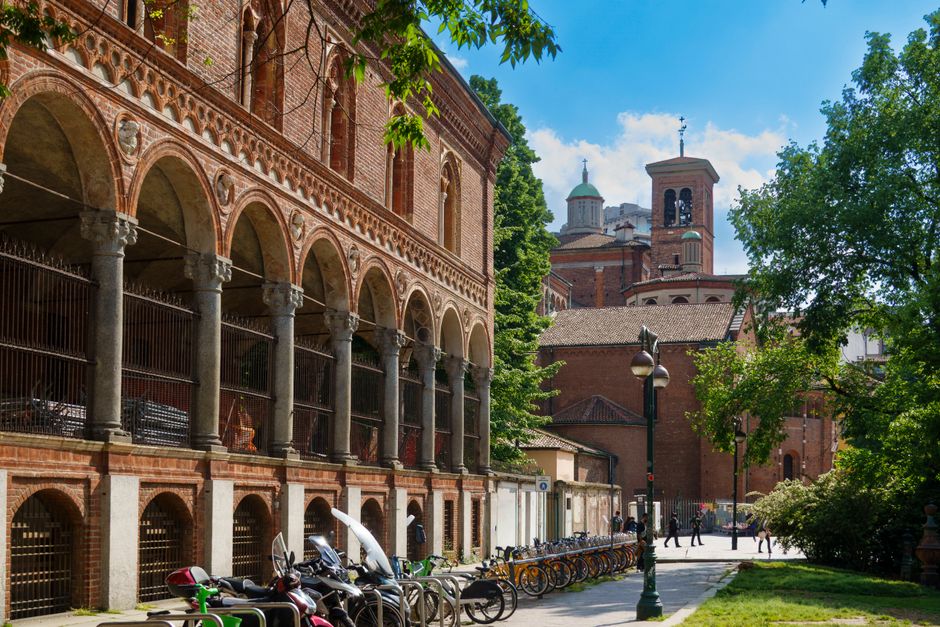
The Milano Sleep Blueprint: Five Practical Habits That Actually Work for Locals
From Sempione Park morning routines to Navigli aperitivo timing, residents across Milan are redesigning their evenings—and sleeping better than ever.
From Sempione Park morning routines to Navigli aperitivo timing, residents across Milan are redesigning their evenings—and sleeping better than ever.
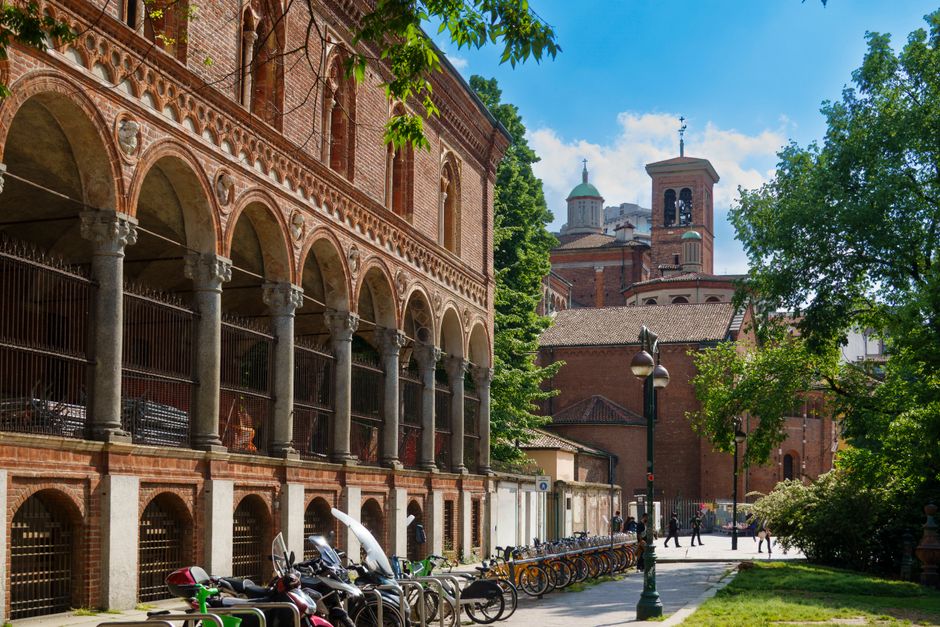
Sleep science tells us that consistency matters more than perfection. In Milan, where work culture often blurs into evening social commitments, residents have quietly engineered a collective reset around rest—not through drastic overhauls, but through small, repeatable habits woven into daily life.
The first habit emerging from neighbourhoods like Brera and Porta Romana is what locals call "the aperitivo boundary." Rather than extending evening drinks until late, successful sleepers have shifted toward earlier, lighter social moments—often ending by 21:00 rather than midnight. This aligns with how many Milanese now structure their Navigli canalside gatherings, treating them as transition points rather than evening destinations. The shift requires no gym membership, no expensive intervention: simply anchoring social time to earlier hours lets the body naturally wind down.
Morning consistency ranks equally high. Residents who frequent Sempione Park report that establishing a fixed wake time—even on weekends—creates a stabilising effect on sleep quality. Running clubs meeting at 06:30 near the Arco della Pace aren't chasing performance gains; they're anchoring circadian rhythms. Local wellness centres including those affiliated with Humanitas and the Ospedale Sacco network increasingly emphasise this principle in patient consultations.
Screen discipline has become another cornerstone. Rather than relying on willpower, successful Milanese have adopted physical boundaries: charging devices outside bedrooms, using built-in blue-light filters on phones from 20:00 onwards, and treating the bed as a work-free zone. Simple, friction-based approaches work better than motivation-dependent rules.
A fourth habit involves light exposure timing. Those cycling the Navigli routes in early morning report improved sleep onset, while evening walks—increasingly popular in residential streets like Via Brera—help regulate melatonin without requiring formal exercise. The consistency of outdoor light exposure, even on cloudy Lombard mornings, outperforms sporadic gym sessions for sleep quality.
Finally, locals have embraced what sleep researchers call "sleep pressure management." Rather than napping through afternoon slumps, many now restrict naps to 15–20 minutes before 15:00, or skip them entirely. This builds natural tiredness by evening—a foundational principle that costs nothing and requires only awareness.
These aren't revolutionary techniques. They're the accumulated wisdom of a city learning to sleep better within its existing rhythms: Mediterranean wellness principles adapted to Milan's pace. The real innovation is treating sleep as a design problem solved through daily habits, not occasional interventions.
This article was compiled by AI from the sources linked above and screened before publishing. See our editorial standards.
How does this story make you feel?
Spread the word
About this article
Published by The Daily Milan
Daily brief
Free, in your inbox before 7am. Weekdays.
More in Wellness