The Daily Plate: How Milan's Savviest Eaters Built Sustainable Nutrition Into Their Routines
From market shopping rituals to aperitivo wisdom, locals across the city share the unglamorous habits that actually stick.
From market shopping rituals to aperitivo wisdom, locals across the city share the unglamorous habits that actually stick.
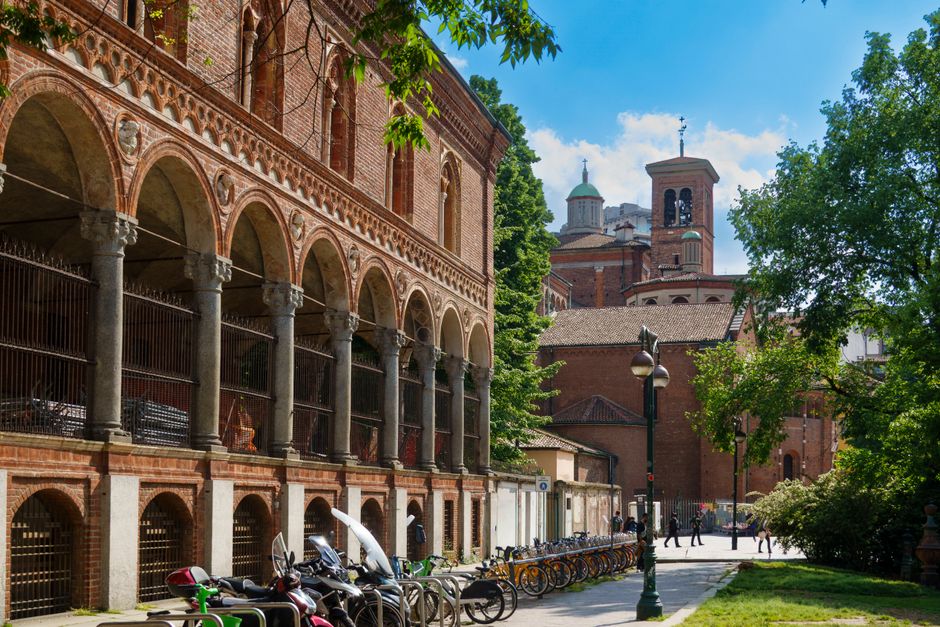
Walk through Viale Papiniano on a Saturday morning and you'll witness Milan's most reliable wellness ritual: the weekly market shop. For thousands of residents, this isn't nostalgia—it's strategy. The neighbourhood's open-air market remains one of Europe's largest, drawing families who've built their meal planning around seasonal availability rather than supermarket convenience. "We buy what's actually ripe," explains the approach that nutritionists now validate as the foundation of Mediterranean eating patterns.
This habit—shopping for ingredients rather than finished products—has quietly become Milan's most effective dietary anchor. The Navigli district, traditionally a working-class area, maintains some of the city's most affordable produce vendors. Tomatoes cost €1.50–2.50 per kilo depending on season, leafy greens under €1. When food is local, seasonal, and visible, portion awareness naturally follows.
But seasonal shopping alone doesn't explain why Milan's aperitivo culture—potentially a nutritional minefield—has evolved into something more balanced. The shift happened gradually. Rather than treating the pre-dinner drink as license for unlimited snacking, locals adopted a counterintuitive habit: smaller, protein-forward selections. Olives, anchovies, and cheese became the standard spread at Navigli bars, paired with sparkling water as often as wine. The social function remained; the caloric logic shifted.
In Brera and around Corso Como, where wellness-conscious professionals cluster, a different pattern emerged: the breakfast discipline. Milan's café culture traditionally served espresso with a pastry. But over the past five years, many regular customers shifted to savoury options—bread with tomato, a hard-boiled egg, sometimes a small portion of prosciutto. "Morning protein changes your entire day," says the nutritional logic that's now embedded in daily routine rather than requiring willpower.
Perhaps most tellingly, Milan's public healthcare system—ranked among Italy's strongest—reinforced these habits through accessibility. Free nutritional counselling through local clinics in neighbourhoods like Isola and Lambrate made habit-building a community activity rather than an expensive intervention. When healthcare professionals are nearby and affordable, incremental changes feel possible rather than overwhelming.
The through-line connecting these practices isn't perfection. It's friction reduction. Milanesi who've sustained better nutrition didn't adopt extreme diets. They changed where they shopped, what they ordered at familiar bars, and how they framed breakfast. Small structural shifts, repeated daily, created the conditions where healthier eating simply became easier than the alternative.
For visitors adopting Milan's approach: visit neighbourhood markets during peak hours, observe what locals buy, and remember that sustainability beats restriction every time.
This article was compiled by AI from the sources linked above and screened before publishing. See our editorial standards.
How does this story make you feel?
Spread the word
About this article
Published by The Daily Milan
Daily brief
Free, in your inbox before 7am. Weekdays.
More in Wellness