Early Screening, New Lives: How Milanese Neighbours Are Taking Control of Their Health
From the Navigli to Sempione, ordinary residents are discovering that preventive check-ups aren't just medical formality—they're life-changing.
From the Navigli to Sempione, ordinary residents are discovering that preventive check-ups aren't just medical formality—they're life-changing.
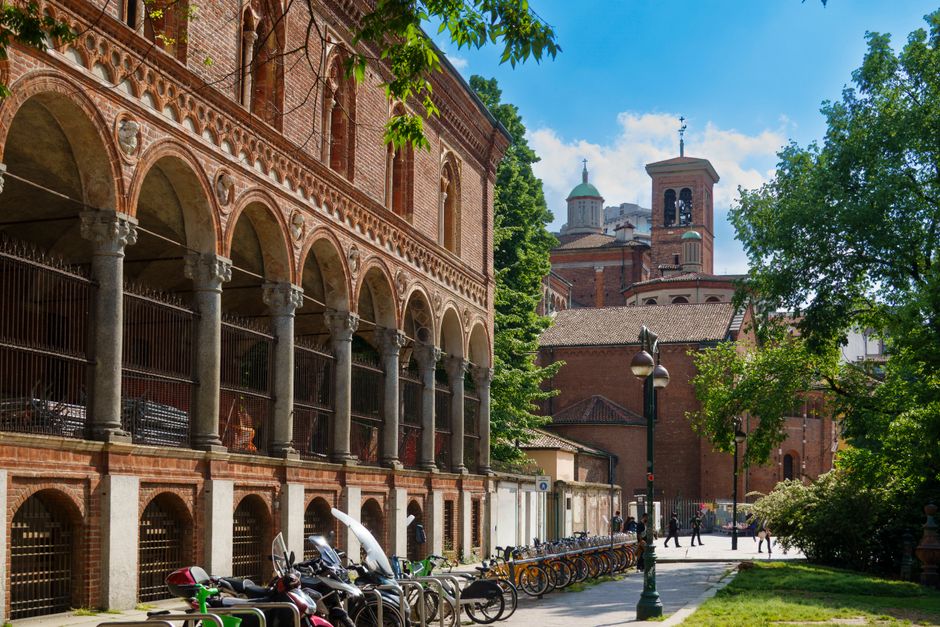
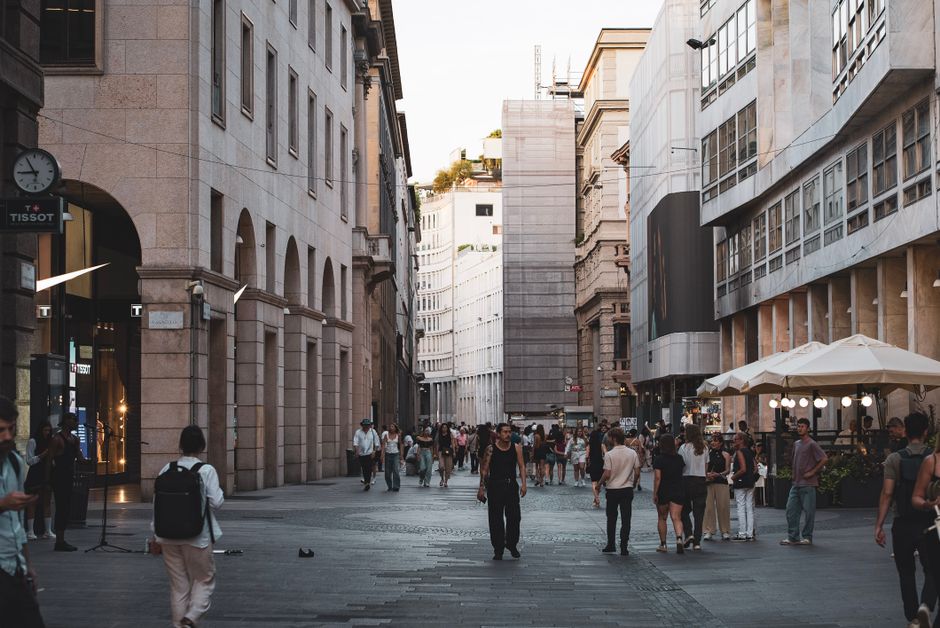
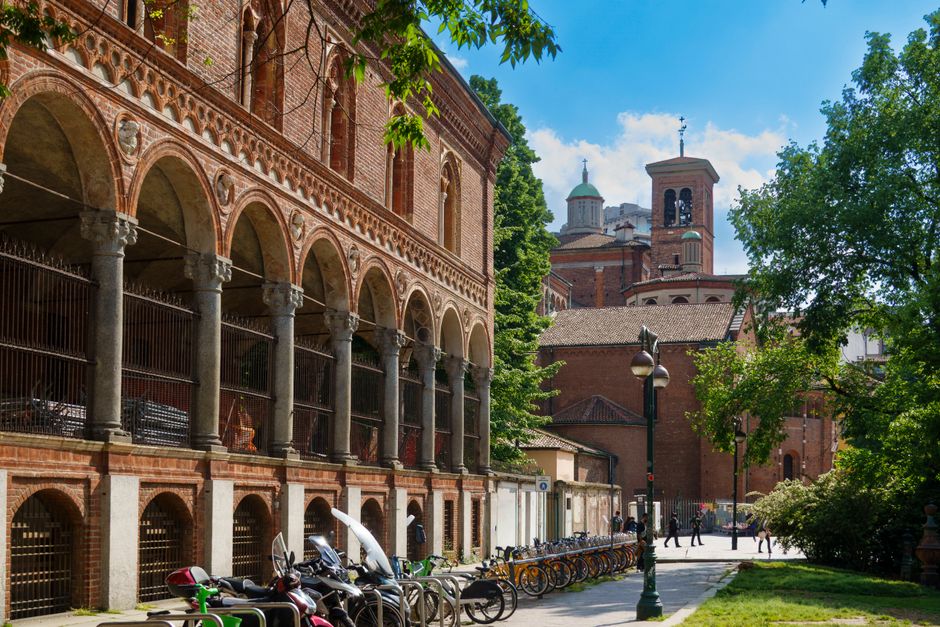
Walking along the Navigli on a June evening, you'll spot joggers, cyclists, and aperitivo crowds enjoying Milan's outdoor culture. But behind the aperitivo tables and weekend runs, a quieter health revolution is unfolding in neighbourhood clinics and public health centres across the city.
Milan's public healthcare system, ranked among Italy's best, offers residents free preventive screenings through their local ASL (Agenzia di Tutela della Salute). Yet uptake remains inconsistent. According to regional health data, approximately 65% of Milanese adults over 50 attend recommended cardiovascular screenings, while mammography and colorectal screening rates hover around 72% in the metropolitan area—respectable but far from universal.
What's changing is community awareness. Neighbourhood health initiatives in districts like Brera, Porta Romana, and around Sempione Park are normalising preventive medicine as everyday practice rather than crisis response. The Fondazione Monzino, specialising in cardiovascular prevention, runs open-access screening days. Pharmacies across Via Montenapoleone and beyond now offer basic health checks—blood pressure, cholesterol screening—at accessible prices (typically €15-30), demystifying what was once seen as hospital territory.
The transformation begins with conversation. Local GPs in Zona Tortona and the Navigli district report that when one patient undergoes screening and discovers early-stage conditions amenable to lifestyle intervention, neighbours follow. A neighbour's positive experience discovering prediabetes through routine blood work—then reversing it through diet and Sempione Park running—creates permission for others to seek similar checks.
Milan's Mediterranean wellness culture provides natural scaffolding. The aperitivo lifestyle, often critiqued for excess, increasingly coexists with conscious eating. Farmers' markets in Viale Papiniano and neighbourhood wellness groups frame preventive health not as restriction but as optimisation—supporting the active, social life Milanese already lead.
The practical barriers remain real: appointment waiting times at public centres average 4-8 weeks; private screening packages range from €300-800. Yet Milan's healthcare infrastructure—combining public accessibility with strong private options—positions prevention as genuinely available.
The emerging pattern suggests that health transformation rarely happens in isolation. It spreads through proximity, normalcy, and visible results. A colleague's early cancer detection, a friend's prevented heart attack, a neighbour's transformed energy levels—these stories circulate through Milanese networks faster than any health campaign. They transform prevention from abstract advice into lived reality.
For those considering their own screening journey, the first step remains conversation with your local GP. They understand Milan's healthcare landscape and can recommend appropriate pathways through both public and private systems.
This article was compiled by AI from the sources linked above and screened before publishing. See our editorial standards.
How does this story make you feel?
Spread the word
About this article
Published by The Daily Milan
Daily brief
Free, in your inbox before 7am. Weekdays.
More in Wellness