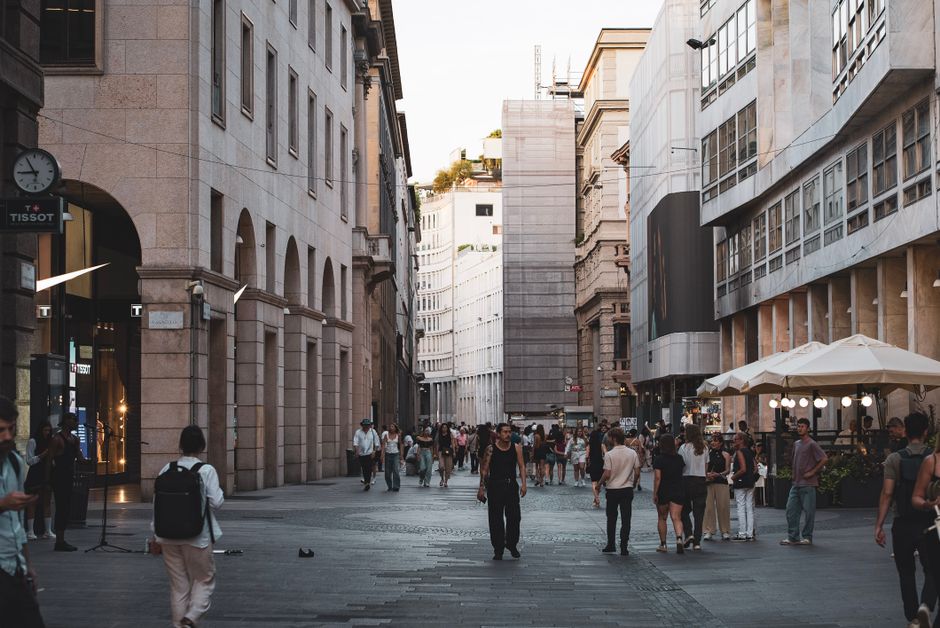
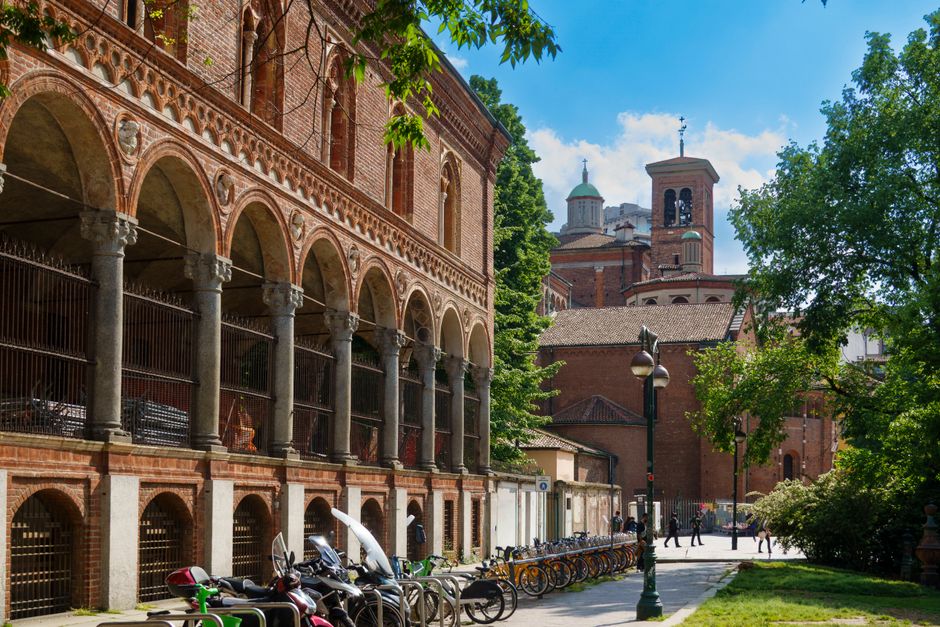
On a Tuesday morning along the Navigli, a group of sixty-somethings gather for their weekly cycling route, their voices echoing off the restored canal walls. It's become as much a fixture of the waterfront as the vintage bookshops and terrace bars—except this community ritual is quietly transforming how Milan's older adults think about ageing.
Italy's population is ageing faster than most European countries. By 2030, nearly one in four Italians will be over 65, according to national health data. Yet in Milan, a different narrative is emerging. Rather than retreat, many seniors are actively reshaping their daily routines around movement, social connection, and local discovery.
The shift reflects a broader shift in how gerontologists approach 'active ageing'—moving beyond gym memberships toward accessible, community-embedded activities. Sempione Park has become an informal hub. Every morning, walkers navigate its tree-lined paths; by afternoon, tai chi groups claim quiet corners near the modernist Triennale building. The park's flat terrain and 86 hectares make it ideal for varied mobility levels.
Local physiotherapy centres in the Brera district have noticed increased demand for mobility coaching specifically designed for over-60s. A six-week mobility programme typically costs €80–120, far more affordable than private gyms. Dr. Maria Rossi, a sports medicine specialist at a clinic near Via Torino, observes: 'What's changed isn't the desire to stay active—it's the confidence that community spaces are welcoming to them. That psychology matters enormously.'
The aperitivo culture, Milan's social glue, has evolved too. Social clubs near Porta Ticinese now schedule 'walking aperitivos'—groups meeting for a drink after gentle movement sessions, merging wellness with the convivial traditions that define Milanese life. It removes the isolation that can accompany ageing.
What makes these stories compelling isn't just individual transformation. It's systemic: Milan's excellent public healthcare system (through Lombardy's regional network) offers subsidised physio and wellness check-ups for over-65s. Combined with accessible public transport and a culture that prizes outdoor living, the infrastructure quietly supports active ageing.
These community stories matter because they're contagious. When neighbours see peers cycling the Navigli or walking through Sempione at seventy, the narrative of inevitable decline weakens. Ageing becomes not something to manage in isolation, but a phase of life lived visibly, socially, and actively—right here in Milan's streets.
For personalised health and mobility advice, consult your local GP or a physiotherapist through your regional healthcare provider.
This article was compiled by AI from the sources linked above and screened before publishing. See our editorial standards.