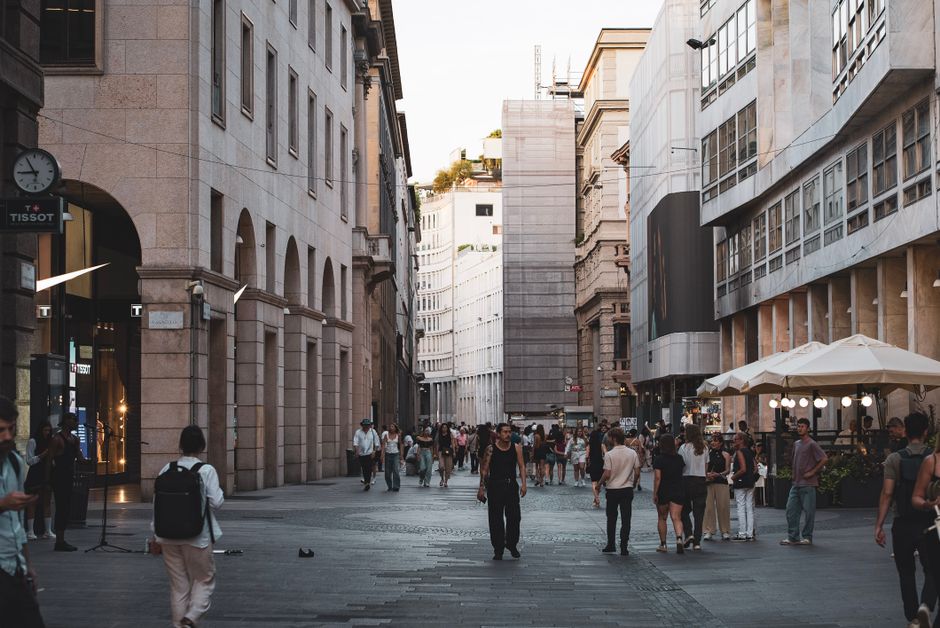
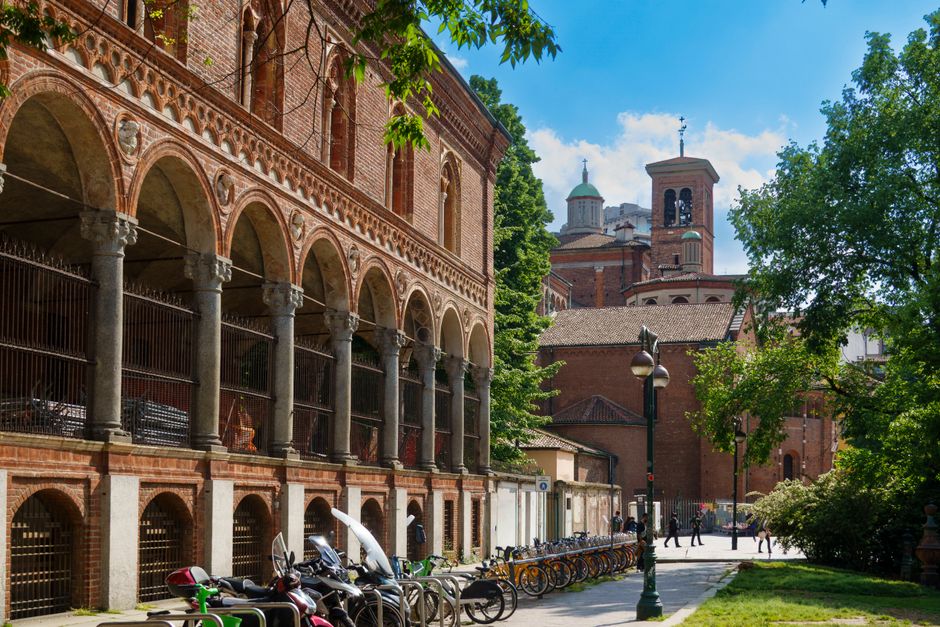
Walking through the Viale Papiniano market on a Saturday morning, you'll spot clusters of Milanese residents comparing notes on the season's best radicchio, debating the merits of different olive oil producers from Lombardy, and sharing recipes scrawled on crumpled paper. This isn't nostalgia—it's a quiet revolution happening across Milan's neighbourhoods, where ordinary people are discovering that transforming eating habits doesn't require extreme diets or abandonment of local tradition. It requires community.
The shift reflects a broader pattern emerging across the city's wellness-conscious districts. According to data from Milan's public health authority, interest in plant-forward Mediterranean eating has grown 34% in the past three years among residents aged 35-55, precisely the demographic managing chronic conditions like hypertension and type 2 diabetes through dietary change. Yet unlike influencer-driven wellness culture, Milan's homegrown movement is rooted in what's already here: seasonal produce, neighbourhood cooking classes, and the Mediterranean principles embedded in Lombard tradition.
In Navigli, community organisations like those operating along the Ripa di Porta Ticinese have begun hosting monthly cooking workshops focused on vegetable-forward dishes using ingredients sourced within the kilometre—a practical response to both health goals and sustainability concerns. The Ortomercato cooperative in Zona 9, which supplies produce to local residents through weekly boxes priced between €18-25, reports a 42% increase in subscriptions since 2024, with members citing improved energy levels and stable weight management as primary motivations.
What distinguishes these local stories is their emphasis on pleasure rather than deprivation. The traditional Milanese aperitivo culture—olives, cheese, cured meats—hasn't disappeared. Instead, residents are recalibrating portions, choosing quality over quantity, and embracing seasonal variation. A resident in Brera might now skip the processed snacks but remain devoted to the Friday evening ritual itself, simply reframed around vegetables and whole grains.
The transformation isn't instantaneous. Experts at Milan's major public hospitals note that sustainable dietary change typically requires 8-12 weeks of consistent community reinforcement. Neighbourhood WhatsApp groups have become informal accountability networks. Recipe-sharing occurs organically at Sempione Park among the running community. The aperitivo remains, but the conversation has shifted—from quantity to quality, from routine to intention.
For Milanese seeking nutritional guidance tailored to their individual health circumstances, consultation with local GPs through the public healthcare system provides personalised recommendations rooted in Mediterranean principles—a foundation these neighbourhood communities continue to build upon.
This article was compiled by AI from the sources linked above and screened before publishing. See our editorial standards.