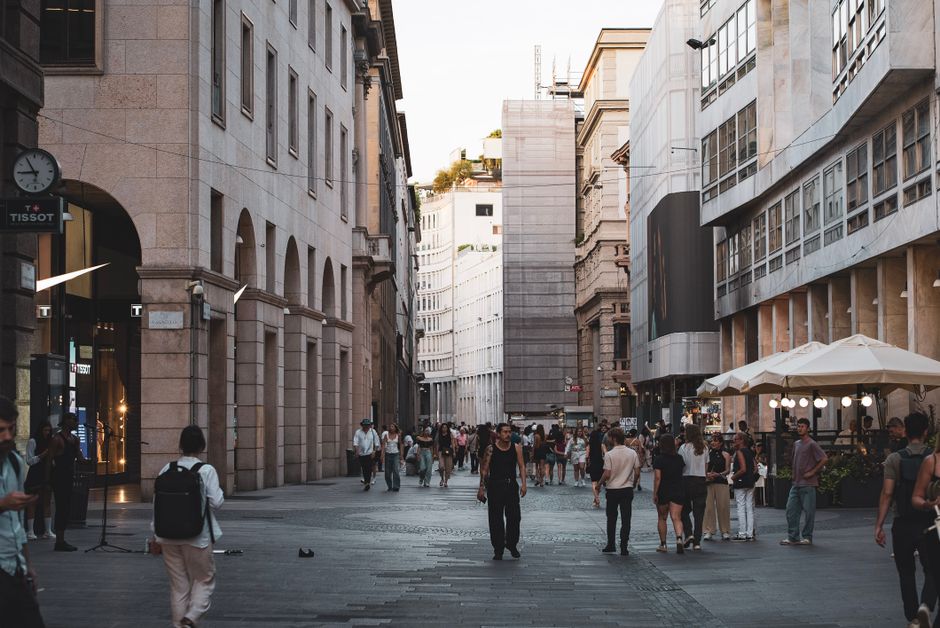
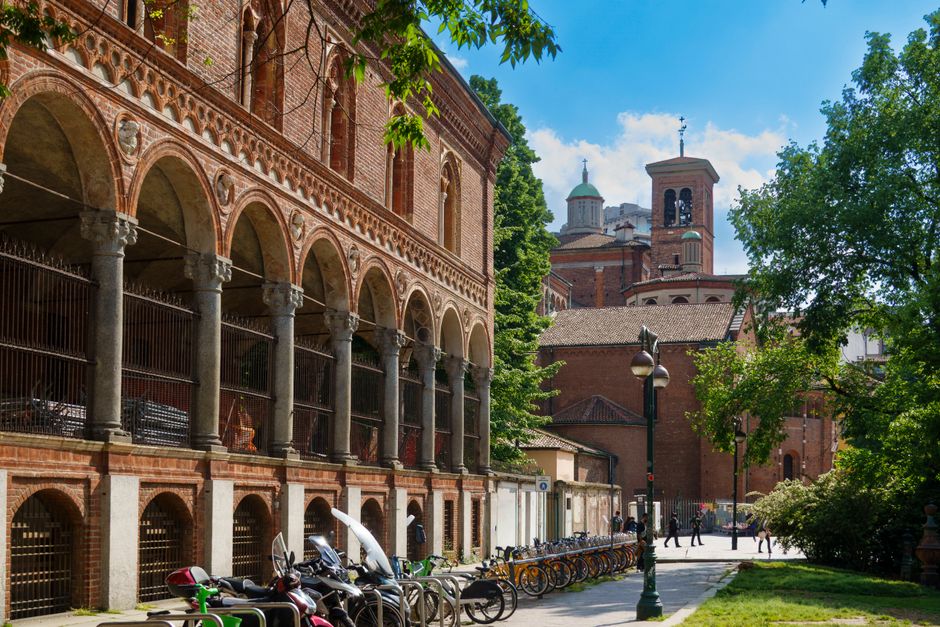
Walk through the Vercelli market on a Saturday morning, and you'll witness Milan's quietest wellness revolution. Locals queue for just-harvested vegetables from Lombardy farms, swapping recipes and meal-prep strategies in the aisles. It's a scene repeating across the city—from Navigli's canalside farmers' markets to the Isola neighbourhood's emerging food cooperatives—where community-driven eating is replacing both the grab-and-go culture and the heavy cream-based traditions that once defined Milanese tables.
The shift reflects a broader pattern. According to Milan's public health authority, vegetable consumption in the metropolitan area has increased 23% over the past four years, with community markets and neighbourhood cooking groups cited as primary drivers. "People aren't doing this alone," explains a wellness coordinator at Fondazione Rava Nord Onlus, a local health organisation. "They're doing it together."
In Porta Romana, residents have transformed a former storage space into a shared kitchen where twice-weekly cooking workshops focus on seasonal, budget-friendly Mediterranean eating. Average attendance: forty people per session. Participants learn to prepare meals for €3-4 per serving using produce from nearby shops on Viale Bligny. The social element—neighbours learning from neighbours—has proven as transformative as the nutrition itself.
The Navigli district tells a similar story. Cycling culture and waterfront living have naturally aligned with farmers' markets and plant-forward eating. Local restaurants increasingly highlight zero-kilometre ingredients, and community groups organise group bicycle rides to suburban farms, creating direct relationships between eaters and growers.
Even the aperitivo culture—historically anchored to heavier charcuterie and fried snacks—is evolving. Bar owners across Brera now feature vegetable-based antipasti alongside traditional offerings, responding to neighbourhood demand. The ritual remains; the content has shifted.
What's remarkable is the accessibility. Unlike expensive wellness programmes, these community initiatives leverage Milan's existing infrastructure: public markets, neighbourhood associations, and the city's strong cooperative tradition. A season's worth of farmers' market visits costs less than a single month's gym membership.
These aren't dramatic transformation stories by design—they're gradual, neighbourhood-by-neighbourhood shifts where convenience, community, and Mediterranean eating patterns align naturally. Sempione Park runners fuel themselves differently now. Navigli cyclists bring homemade salads. And throughout Milan, people are discovering that eating well isn't about restriction or expensive supplements. It's about knowing where your food comes from and cooking it alongside people who live near you.
For local food resources, contact Milano Ristorazione, Rete Agricola Metropolitana, or visit your neighbourhood farmers' market during peak season (May–October).
This article was compiled by AI from the sources linked above and screened before publishing. See our editorial standards.